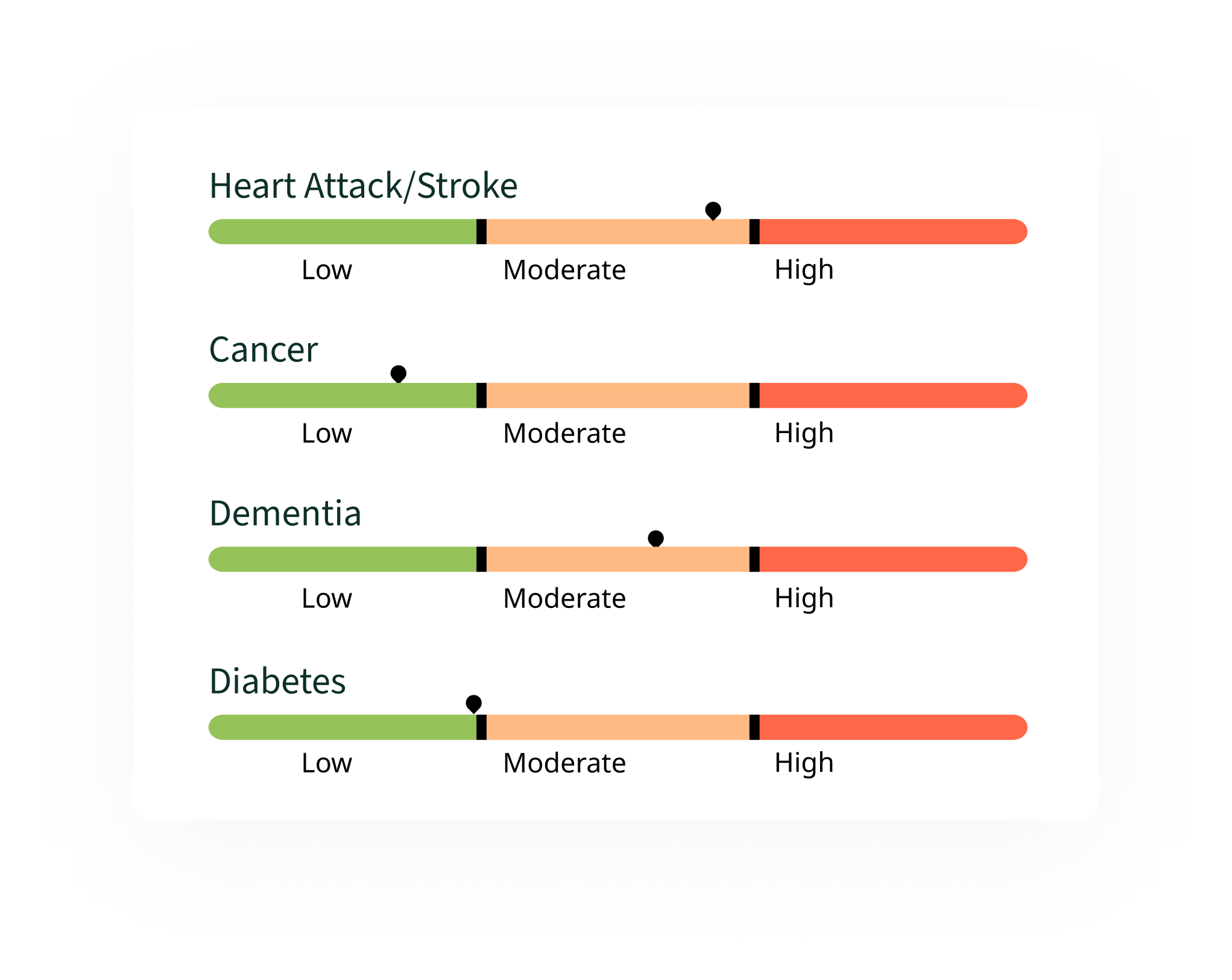
The Hidden Danger of Chronic Inflammation
Your body’s inflammatory response is designed to protect you, sending white blood cells to fight infection and repair damaged tissues. But when inflammation lasts beyond its useful purpose, it changes from protector to destroyer. This chronic inflammation works silently beneath the surface, often without noticeable symptoms until significant damage has occurred.
Every 20 seconds, someone in America has a heart attack or stroke—conditions often driven by undetected inflammation. Even more concerning, effective screening could prevent up to 80% of these events. The same pattern appears across many chronic diseases, from diabetes to autoimmune disorders.
What Are the Essential Blood Tests for Inflammation?
The most valuable blood tests for detecting inflammation include high-sensitivity C-reactive protein (hs-CRP), erythrocyte sedimentation rate (ESR), fibrinogen, and interleukin-6 (IL-6). These markers act as early warning signals, potentially revealing inflammatory processes years before symptoms develop. Regular monitoring of these markers, especially when combined with other preventative health measures, creates a strong framework for identifying health risks before they turn into serious conditions.
What Do Inflammation Markers in Your Blood Mean?
C-Reactive Protein (CRP and hs-CRP)
C-reactive protein is one of the most widely used and reliable indicators of inflammation in the body. Produced by the liver in response to inflammatory signals, CRP levels rise dramatically during acute inflammation, such as infection or injury, but can also stay elevated in chronic inflammatory states.
The high-sensitivity CRP test (hs-CRP) detects much smaller increases in CRP levels than standard tests, making it especially useful for assessing cardiovascular risk. An hs-CRP reading below 1.0 mg/L indicates low risk, 1.0-3.0 mg/L suggests moderate risk, and above 3.0 mg/L signals high risk for future cardiovascular events. The test’s strength lies in its ability to detect inflammation that standard medical exams might miss, providing a window into your body’s internal environment and potential health threats.
Erythrocyte Sedimentation Rate (ESR)
The ESR test measures how quickly red blood cells settle to the bottom of a test tube. When inflammation is present, proteins in the blood cause red blood cells to stick together and fall faster. While less specific than CRP, ESR provides valuable complementary information, especially for monitoring certain inflammatory conditions like rheumatoid arthritis and temporal arteritis.
ESR values usually increase with age, so interpretation must consider your demographic factors. For men under 50, normal values range from 0-15 mm/hr, while women under 50 typically range from 0-20 mm/hr. Elevated results require further investigation, especially when accompanied by other abnormal inflammatory markers.
Fibrinogen
Fibrinogen plays dual roles as both a clotting factor and an acute phase reactant that rises during inflammation. Beyond its role in blood clotting, elevated fibrinogen levels strongly correlate with cardiovascular disease risk and metabolic syndrome. Normal values range from 200-400 mg/dL, with levels above this possibly indicating inflammatory processes that contribute to arterial plaque formation.
The link between fibrinogen and cardiovascular disease highlights the complex relationship between inflammation and blood vessel health. Monitoring this marker offers insights into both inflammatory status and clotting risk, providing a more complete picture of cardiovascular health than standard lipid panels alone.
Interleukin-6 (IL-6)
Interleukin-6 acts as both a pro-inflammatory and anti-inflammatory cytokine, making it a sophisticated marker of immune system activity. As a signaling molecule that triggers the acute phase response, IL-6 appears earlier in the inflammatory cascade than CRP, potentially offering earlier detection of inflammatory processes.
Elevated IL-6 levels may predict future cardiovascular events and link to insulin resistance and diabetes development. Reference ranges vary by laboratory, but values typically fall below 5.9 pg/mL. The predictive value of IL-6 makes it an increasingly important part of comprehensive inflammatory assessment, especially for evaluating cardiometabolic risk.
How Do Inflammation Markers Indicate Disease Risk?
Cardiovascular Disease Detection
The connection between inflammation and heart disease is one of the most significant advances in preventative cardiology. Multiple large-scale studies have shown that elevated inflammatory markers, especially hs-CRP, predict future cardiovascular events independently of traditional risk factors like cholesterol and blood pressure.
When hs-CRP levels exceed 3.0 mg/L, cardiovascular risk roughly doubles compared to levels below 1.0 mg/L, even in people with optimal LDL cholesterol. This relationship holds across diverse populations and age groups, highlighting inflammation’s central role in atherosclerosis development. The JUPITER trial showed that treating patients with elevated hs-CRP but normal cholesterol reduced heart attack risk by 44%, emphasizing the clinical value of inflammation detection.
Autoimmune Disease Monitoring
Autoimmune conditions like rheumatoid arthritis, lupus, and inflammatory bowel disease involve dysregulated inflammation. Blood markers help diagnose these conditions and track disease activity over time, allowing treatment adjustments before symptom flares occur.
ESR and CRP often rise during active disease phases, while specific autoantibodies like rheumatoid factor and anti-nuclear antibodies help distinguish between different autoimmune conditions. Regular monitoring creates a record of inflammatory status, enabling healthcare providers to identify patterns and optimize treatment for each person.
Cancer Risk Assessment
The link between chronic inflammation and cancer development grows stronger through ongoing research. Persistent inflammation creates an environment that promotes DNA damage, cellular proliferation, and angiogenesis—all processes that support tumor development and growth.
Elevated inflammatory markers correlate with increased risk for several cancer types, including colorectal, lung, and pancreatic cancers. While not specific enough for cancer screening alone, these markers provide valuable context when combined with other risk assessments and screening methods. Their greatest value may lie in monitoring inflammation reduction strategies that could lower cancer risk over time.
How Should You Interpret Your Inflammation Test Results?
What Constitutes Normal Values?
Reference ranges for inflammatory markers vary based on the specific test, laboratory methods, age, sex, and other demographic factors. Generally accepted normal ranges include:
- hs-CRP: Below 1.0 mg/L (low risk), 1.0-3.0 mg/L (moderate risk), above 3.0 mg/L (high risk)
- ESR: Men under 50: 0-15 mm/hr; Women under 50: 0-20 mm/hr (increases with age)
- Fibrinogen: 200-400 mg/dL
- IL-6: Below 5.9 pg/mL (varies by laboratory)
Single elevated values need context and often repeated testing, since factors like recent exercise, minor infections, or medications can temporarily raise these markers. The pattern and persistence of elevation provide more meaningful information than isolated readings.
Beyond Numbers: The Importance of Clinical Context
Inflammatory markers never stand alone in clinical decision-making. Their interpretation requires integration with your full health picture, including symptoms, medical history, family history, and other lab and imaging results. What counts as concerning inflammation for one person might be normal for another.
Healthcare providers evaluate these markers as part of a comprehensive assessment rather than in isolation. This approach prevents false reassurance from normal values despite concerning symptoms and avoids unnecessary anxiety from mildly elevated values in otherwise healthy people. The true value comes from tracking changes over time and linking them with other health factors.
Comprehensive Inflammation Assessment at Preamble
At Preamble, we know that isolated inflammatory marker testing gives only a partial picture of your health. Our Medicine 3.0 Executive Physical includes advanced biomarker testing, with comprehensive inflammation assessment, as part of a holistic evaluation of your current health and future risks.
This program combines cutting-edge diagnostics with expert interpretation, turning complex lab data into actionable health intelligence. By evaluating inflammatory markers alongside metabolic health indicators, hormonal status, and cardiovascular risk factors, we create a multidimensional understanding of your health that guides personalized intervention strategies.
The $2,500 investment covers not just testing but also a physician-guided action plan that addresses identified inflammatory processes through targeted nutrition, lifestyle changes, and when appropriate, medications. For those seeking ongoing optimization, our membership programs provide continued monitoring and adjustment of these strategies over time.
How Can You Reduce Inflammation Effectively?
Lifestyle Modifications with Measurable Impact
Once inflammation is identified through blood testing, evidence-based lifestyle changes can significantly reduce inflammatory burden. Regular physical activity consistently shows anti-inflammatory effects, with as little as 150 minutes of moderate exercise weekly lowering CRP levels by 30% in clinical studies. At Preamble, our Fitness & Cardiovascular Profiling, including VO2 Max testing ($229-$299), helps set personalized exercise goals that maximize these anti-inflammatory benefits.
Diets rich in colorful vegetables, omega-3 fatty acids, and polyphenols directly affect inflammatory pathways. At the same time, cutting processed foods, refined carbs, and industrial seed oils removes pro-inflammatory dietary triggers. Sleep quality and stress management also influence inflammation, creating multiple ways to reduce it.
How Do You Track Your Inflammation Progress Over Time?
The real value of inflammation marker testing comes from repeated measurements that track your response to interventions. Initial testing sets your baseline, while follow-ups every 3-6 months show whether your anti-inflammatory strategies are working.
This monitoring turns abstract health ideas into concrete, measurable results. Seeing your hs-CRP drop from 4.2 mg/L to 1.8 mg/L gives clear proof of improving health, often before you notice any symptoms. This objective feedback encourages positive habits and allows timely changes to less effective strategies.
What Are the Future Trends in Inflammation Testing?
As research moves forward, inflammation assessment keeps evolving beyond the markers discussed here. Newer technologies that examine inflammatory gene expression patterns and specialized inflammatory proteins promise even greater precision in detecting and understanding inflammation.
Combining these advanced markers with artificial intelligence analysis will likely change how we think about and treat chronic inflammation. Instead of treating inflammation as a single process, future approaches will probably target specific inflammatory pathways based on individual testing profiles, creating truly personalized anti-inflammatory strategies.
Ready to take control of your inflammatory status and its impact on your long-term health? Book a consultation with Preamble today to find out how our comprehensive testing and personalized approach can help you detect and address inflammation before it harms your health and longevity.