Hormone Optimization Scottsdale
Physician-Supervised Hormone Replacement for Men and Women
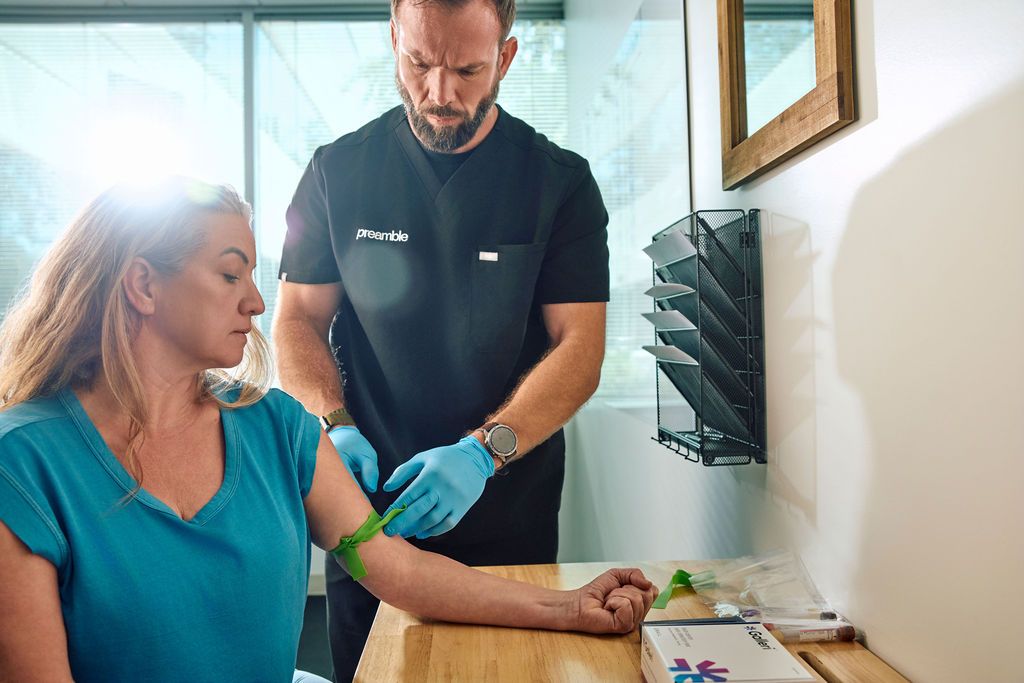
Hormone therapy here starts with testing, not symptoms. We confirm deficiency with repeat morning lab work before anything is prescribed, and we don't treat people whose results don't support a diagnosis. Where deficiency is confirmed, restoring levels to the normal range improves energy, body composition, bone density and sleep.
Comprehensive hormone optimization at our Scottsdale clinic restores declining testosterone, balances thyroid function, and addresses hormonal imbalances affecting energy, body composition, cognitive function, and quality of life. This isn't a quick prescription TRT clinic—it's physician-supervised hormone replacement integrated into complete metabolic and cardiovascular health management. We test comprehensively, interpret results in context of overall health, prescribe bioidentical hormones when clinically appropriate, monitor regularly for effectiveness and safety, and adjust treatment based on symptoms and lab values. Hormone optimization is part of our preventative medicine approach to maintaining health and function as you age, not just isolated hormone prescription.
Comprehensive hormone testing
Testosterone (total and free), SHBG, estradiol, thyroid panel, DHEA, and other hormones affecting metabolism and aging
Bioidentical hormone replacement
Testosterone therapy for men, hormone replacement therapy for women, thyroid optimization, and DHEA supplementation when indicated
Regular monitoring and adjustment
Regular blood work tracking hormone levels, safety markers, and metabolic effects with dose adjustments based on results
Integrated health optimization
Hormone therapy combined with body composition tracking, metabolic health management, and cardiovascular risk monitoring

Why Consider Hormone Optimization in Scottsdale?
Hormone levels naturally decline with age—testosterone drops 1-2% annually in men after 30, women experience dramatic declines at menopause, and thyroid function often becomes suboptimal in the 40s and 50s. These declines aren't necessarily pathological, but they cause measurable symptoms and health consequences: reduced energy and vitality, loss of muscle mass and increased body fat, declining bone density, reduced libido and sexual function, mood changes and cognitive decline, and increased metabolic dysfunction. When hormone deficiency is confirmed through testing and causing symptoms or health issues, bioidentical hormone replacement can restore function, improve quality of life, and support healthy aging. The key is proper testing, medical supervision, appropriate dosing, and regular monitoring—not DIY protocols or isolated hormone prescription without comprehensive health assessment.
Care guided by your medical needs
We don't prescribe testosterone for bodybuilding, athletic performance, or cosmetic reasons. We prescribe only when testing confirms a deficiency, and a consultation does not guarantee a prescription.
FOR WOMEN
Hormone Replacement for Women
Women experience dramatic hormone declines at menopause—estrogen, progesterone, and testosterone all drop substantially, causing hot flashes, night sweats, mood changes, fatigue, loss of libido, difficulty maintaining muscle, weight gain, bone density loss, and cognitive changes. Bioidentical hormone therapy tailored to individual needs and monitored regularly optimizes quality of life during and after menopause while supporting long-term bone and cardiovascular health.
FOR MEN
Testosterone Optimization for Men
Low testosterone affects 20–40% of men over 40, causing fatigue, reduced muscle mass, increased abdominal fat, low libido, mood changes, and cognitive decline. Where deficiency is confirmed by repeat morning testing and the patient has consistent symptoms, treatment is directed at those symptoms under ongoing monitoring.
THYROID
Thyroid Optimization
Standard thyroid testing (TSH only) misses many cases of dysfunction. Comprehensive assessment—TSH, free T4, free T3, reverse T3, and antibodies—reveals subclinical hypothyroidism, poor T4-to-T3 conversion, or autoimmune disease. Optimized thyroid hormone improves energy, metabolism, cognitive function, and overall wellbeing when properly dosed and monitored.
INTEGRATED
Comprehensive Hormone Balance
Hormones don't function in isolation—testosterone, estrogen, thyroid, cortisol, and DHEA interact in complex ways affecting metabolism, body composition, mood, and aging. Our approach tests and addresses multiple systems simultaneously, ensuring no hormone is optimized in isolation at the expense of overall balance.


Medical-Grade Hormone Optimization in Scottsdale
We're not a TRT mill or quick-script hormone clinic—we're physicians providing comprehensive hormone optimization integrated into preventative medicine.
Many hormone clinics prescribe testosterone after minimal testing, provide no ongoing medical supervision, ignore safety monitoring, and treat hormones in isolation from overall health. We take a different approach: comprehensive testing before treatment (not just total testosterone—free testosterone, SHBG, estradiol, full metabolic panel, cardiovascular markers, thyroid, etc.), physician evaluation ensuring hormone replacement is appropriate and safe, proper dosing achieving physiologic levels (not supraphysiologic doses), regular monitoring every 3-6 months tracking hormone levels and safety markers (hematocrit, PSA, liver function, lipids, glucose metabolism), and integration with body composition tracking, metabolic health management, and cardiovascular risk assessment. This is hormone optimization as part of comprehensive preventative care, not isolated hormone prescription.
COMPREHENSIVE TESTING
Complete hormone and metabolic assessment before treatment
We measure total testosterone, free testosterone, sex hormone-binding globulin (SHBG), estradiol, luteinizing hormone (LH), follicle-stimulating hormone (FSH), prolactin, complete thyroid panel (TSH, free T4, free T3, reverse T3, antibodies), DHEA-S, cortisol, comprehensive metabolic panel, lipid panel with advanced cardiovascular markers, PSA (for men), and other markers as clinically indicated. This comprehensive testing reveals whether hormone deficiency is present, identifies the cause (primary vs. secondary), and establishes baseline values for monitoring. We don't prescribe hormones based on symptoms alone—we confirm deficiency through proper testing.
PHYSICIAN-SUPERVISED
Medical expertise, not wellness coaching
Our physicians have extensive training in endocrinology, metabolic medicine, and hormone replacement therapy. We interpret lab values in context of symptoms, medical history, and overall health goals. We determine appropriate dosing, monitor for effectiveness and side effects, adjust therapy based on results, and manage any complications. You're working with actual physicians who can prescribe medications, order comprehensive testing, and provide medical supervision—not health coaches or non-physician providers operating under minimal supervision.
SAFETY MONITORING
Regular testing tracking effectiveness and potential risks
Hormone replacement requires ongoing monitoring to ensure safety and effectiveness. We check testosterone levels ensuring you're in optimal range (not too low, not supraphysiologic), estradiol to prevent excess conversion from testosterone, hematocrit watching for polycythemia, PSA monitoring prostate health, lipid panels tracking cardiovascular effects, glucose metabolism ensuring insulin sensitivity improves, liver function if using certain formulations, and symptom assessment tracking energy, mood, libido, body composition, and quality of life. Testing every 3-6 months allows dose adjustments optimizing benefits while minimizing risks.
INTEGRATED OPTIMIZATION
Hormones as part of complete health management
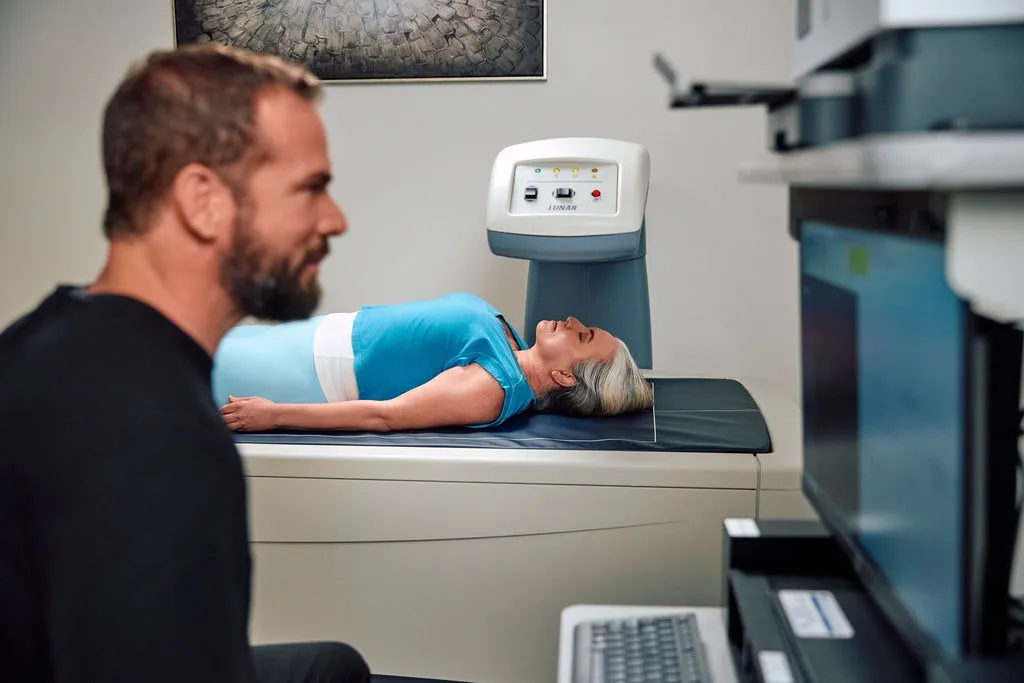
We don't just prescribe testosterone or thyroid hormone and send you on your way. Hormone optimization is integrated with DEXA body composition tracking showing changes in muscle and fat mass, metabolic biomarker monitoring ensuring insulin sensitivity improves, cardiovascular risk assessment managing lipids and inflammation, sleep optimization (critical for hormone production), nutrition and exercise guidance supporting hormone optimization goals, and medication management if you're on other medications affecting hormones. This comprehensive approach addresses root causes and optimizes health holistically, not just hormone levels in isolation.
Hormone Optimization Integrated Into Complete Health Management
Optimal hormone levels support health and function, but hormones alone aren't a complete longevity strategy. The most effective approach combines hormone optimization with body composition management through resistance training and adequate protein, metabolic health optimization addressing insulin resistance and visceral fat, cardiovascular risk management monitoring lipids and inflammation, sleep optimization supporting natural hormone production, and stress management preventing cortisol-driven hormone suppression. Our Pro Membership provides this comprehensive support—not just hormone prescriptions, but complete lifestyle and medical optimization guided by regular testing and physician supervision. This integrated approach produces better outcomes than hormone therapy alone.

Frequently Asked Questions About Hormone Optimization in Scottsdale
Everything you need to know about Preamble — from how to get started to pricing, insurance, and what to expect.
What hormones can be optimized and when is it appropriate?
How do you test for hormone deficiency?
What does testosterone replacement therapy treat?
What are the risks and side effects of testosterone therapy?
How does hormone replacement work for women?
What is thyroid optimization and who needs it?
How is Preamble different from TRT clinics?
Do you prescribe testosterone to women?
How long does hormone optimization take to work?
Is hormone replacement therapy covered by insurance?
What monitoring is required during hormone therapy?
Where is hormone optimization provided?
Optimize Your Hormones With Medical Supervision in Scottsdale
Stop accepting fatigue, declining muscle mass, low libido, and reduced vitality as inevitable aging. Comprehensive hormone testing reveals whether deficiency is contributing to symptoms, and physician-supervised hormone replacement restores function and quality of life when clinically appropriate.
Physician-supervised hormone optimization at our Scottsdale clinic
Comprehensive testing, proper dosing, and ongoing medical monitoring
Preamble Health is a medical practice in Scottsdale, Arizona. Treatments described on this page involve prescription medications. Every prescribing and treatment decision is made by a licensed Preamble provider after an evaluation and labs; no medication is guaranteed as part of any program or membership. Testosterone is a federally controlled substance and is prescribed only in accordance with federal and Arizona law, which may require an in-person evaluation. This page is for general education and is not medical advice. Individual results vary.