You’ve scheduled your executive physical—a comprehensive health assessment that goes far beyond a standard checkup. You’re investing $2,000-$4,000 and several hours of your time to get detailed insight into your health.
Now what? How do you prepare? What should you bring? What can you expect during the assessment? And most importantly, how do you make sure you get maximum value from this investment?
Unlike a standard annual physical where you just show up, an executive physical requires some preparation to ensure accurate results and productive consultation. The good news is that preparation is straightforward—it just requires knowing what to do and planning ahead.
This guide walks you through everything you need to prepare for your executive physical, what happens during the assessment, and how to make the process as valuable as possible.
Before You Schedule: Information to Gather
Before you even book your executive physical, gather some background information. Having this ready makes scheduling easier and ensures nothing gets overlooked.
Medical History Documentation
Pull together your medical records:
- Previous diagnoses – chronic conditions, past illnesses, surgeries
- Current medications – prescription and over-the-counter, including dosages
- Supplement list – vitamins, minerals, herbs, anything you take regularly
- Allergies – medications, foods, environmental
- Immunization records – especially if you’re missing documentation
You don’t need formal records for everything, but having a written list prevents forgetting important details during intake.
Family Health History
Document your family’s health history, particularly:
- Cardiovascular disease – heart attacks, strokes, especially before age 55 in men or 65 in women
- Cancer – types, ages at diagnosis
- Diabetes – type 2 diabetes in parents or siblings
- Neurodegenerative disease – Alzheimer’s, Parkinson’s
- Autoimmune conditions – thyroid disease, rheumatoid arthritis, etc.
- Other chronic diseases – kidney disease, liver disease, osteoporosis
Family history significantly affects your risk profile and guides which areas need extra attention.
Previous Test Results
If you have recent lab work, DEXA scans, or other testing from the past year or two, bring those results. Comparison to previous data reveals trends that a single snapshot can’t show.
Most facilities can access records electronically, but having your own copies ensures nothing gets missed.
Health Goals and Concerns
Think about what you want to accomplish:
- Specific health concerns or symptoms you want addressed
- Performance or fitness goals
- Family history risks you want to manage
- Lifestyle changes you’re considering
- Questions for your physician
Writing these down beforehand ensures you don’t forget to mention important topics during your consultation.
One Week Before: Lifestyle Preparation
The week before your executive physical, maintain your normal routine. This isn’t the time for dramatic changes—you want results that reflect your actual health status, not a temporary effort.
Continue Normal Exercise
Keep exercising as usual. Don’t stop training or suddenly increase intensity. Your cardiovascular fitness test should reflect your actual fitness level, and that requires being in your normal routine.
However, avoid extremely intense workouts 24-48 hours before testing. You want to be adequately recovered for VO2 max testing and other assessments.
Maintain Regular Diet
Eat normally for the week leading up to your assessment. Don’t suddenly clean up your diet or drastically change eating patterns. Your blood work should show your typical metabolic state, not what happens during a temporary diet change.
That said, avoid alcohol for 48 hours before blood work, as it can temporarily affect liver enzymes and other markers.
Get Adequate Sleep
Prioritize good sleep for several nights before your assessment, especially the night before. Poor sleep affects glucose metabolism, blood pressure, and cardiovascular performance, which could make results less accurate.
Hydration
Stay well-hydrated throughout the week. Adequate hydration ensures accurate blood draws and supports optimal performance during fitness testing. Dehydration can affect blood pressure, heart rate, and exercise capacity.
24-48 Hours Before: Specific Preparations
As you get closer to your appointment, there are specific preparations that affect test accuracy.
Fasting Requirements
Most executive physicals require fasting for blood work—typically 8-12 hours with no food or beverages except water.
What fasting means:
- No food after your evening meal the night before (if morning appointment)
- No beverages except water – no coffee, tea, juice, alcohol
- Water is encouraged – stay hydrated
- Continue medications unless instructed otherwise (take with water)
Timing: If your appointment is at 8 AM, finish eating by 8-10 PM the night before. Black coffee is sometimes allowed, but check with your provider.
Note: blood tests are not performed at the Preamble Health facility so fasting is only required before your offsite blood test appointment.
Medication Guidance
Continue taking:
- Blood pressure medications
- Thyroid medications
- Other chronic disease medications (unless specifically told to hold)
Ask about:
- Diabetes medications (dosing may need adjustment if fasting)
- Supplements (some providers ask you to hold supplements for 24 hours)
- Aspirin or blood thinners (usually fine, but confirm)
Never stop prescribed medications without asking your provider first.
Avoid Intense Exercise
Skip hard workouts 24-48 hours before testing. Light activity is fine (walking, easy movement), but save intense training for after your assessment. Hard exercise can temporarily affect lab values and reduce performance on fitness testing.
Plan Your Schedule
Executive physicals typically take 2-3 hours. Block adequate time and don’t schedule important meetings or commitments immediately afterward. You might be mentally tired after extended testing and consultation.
What to Bring on Assessment Day
Pack these items the night before so you’re not scrambling in the morning:
Required Documents
- Photo ID and insurance card (if applicable)
- Medical history and medication list
- Previous test results (if you have them)
- Payment method (many executive physicals aren’t covered by insurance)
Appropriate Clothing
For fitness testing (VO2 max):
- Athletic shoes (running or cross-training shoes)
- Comfortable athletic clothing (shorts/pants and athletic shirt)
- Sports bra if needed
- Change of clothes if you prefer not to stay in workout clothes for the rest of testing
For DEXA scan:
- Comfortable clothing without metal (no zippers, underwire bras, metal buttons)
General:
- Layers (medical offices can be cold)
- Comfortable shoes for walking between testing areas
Other Items
- Water bottle (stay hydrated throughout)
- Small snack for after blood work and fasting ends
- List of questions for your physician
- Notebook or phone for taking notes during consultation
What Happens During Your Executive Physical
Here’s the typical flow, though exact order and components vary by provider:
Check-In and Intake (30-45 minutes)
You’ll complete detailed intake forms if you haven’t already:
- Medical history review
- Lifestyle assessment (diet, exercise, sleep, stress)
- Family history
- Current symptoms or concerns
- Health goals
Some facilities do this electronically before your visit, others do it in person. Either way, this is your opportunity to provide comprehensive background.
Body Composition Analysis – DEXA Scan (15-20 minutes)
You’ll lie on a table while a scanner passes over your body measuring:
- Body fat percentage
- Lean muscle mass
- Bone density
- Visceral fat
- Regional body composition (arms, legs, trunk)
This is completely painless—you just lie still for 10-15 minutes. (Read our complete DEXA scan guide)
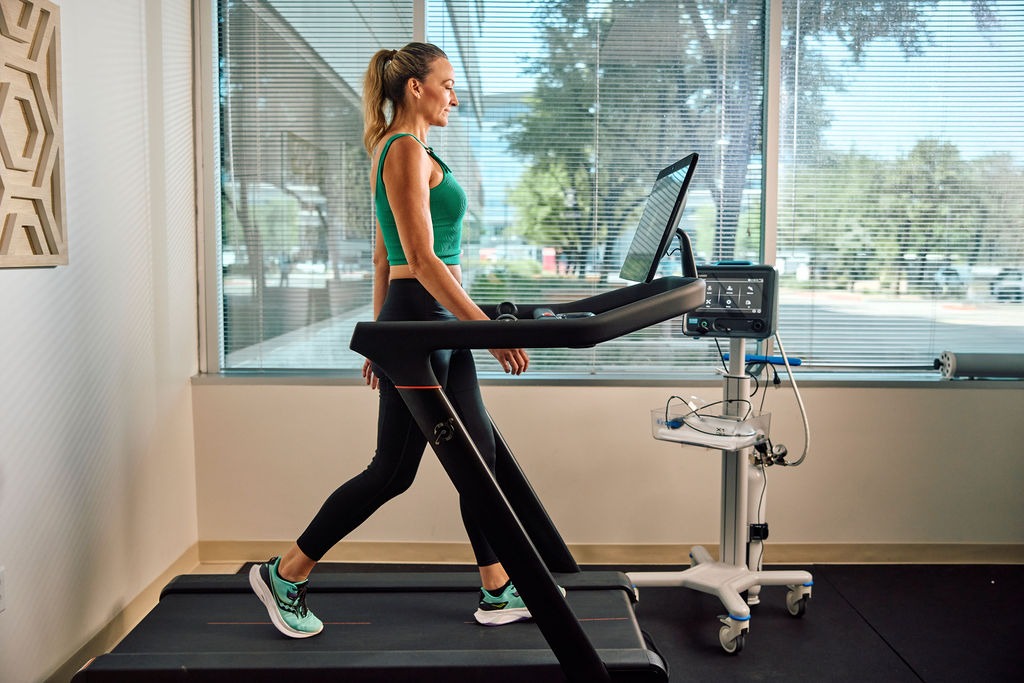
Cardiovascular Fitness Testing – VO2 Max (30-45 minutes)
You’ll exercise on a treadmill or stationary bike while wearing a mask that measures oxygen consumption:
- Test starts easy and gradually increases intensity
- You push to maximal effort (or near-maximal for submaximal tests)
- Measures VO2 max, anaerobic threshold, and heart rate response
- Technician monitors throughout and can stop test anytime
This is the most physically demanding part. You’ll be working hard, but it only lasts 8-12 minutes of actual exercise. (Learn more about VO2 max testing)
Metabolic Rate Testing (20-30 minutes)
Some facilities include resting metabolic rate (RMR) testing:
- You lie quietly while breathing into a device
- Measures how many calories you burn at rest
- Provides personalized calorie targets for weight management
This is easy—you just relax and breathe normally.
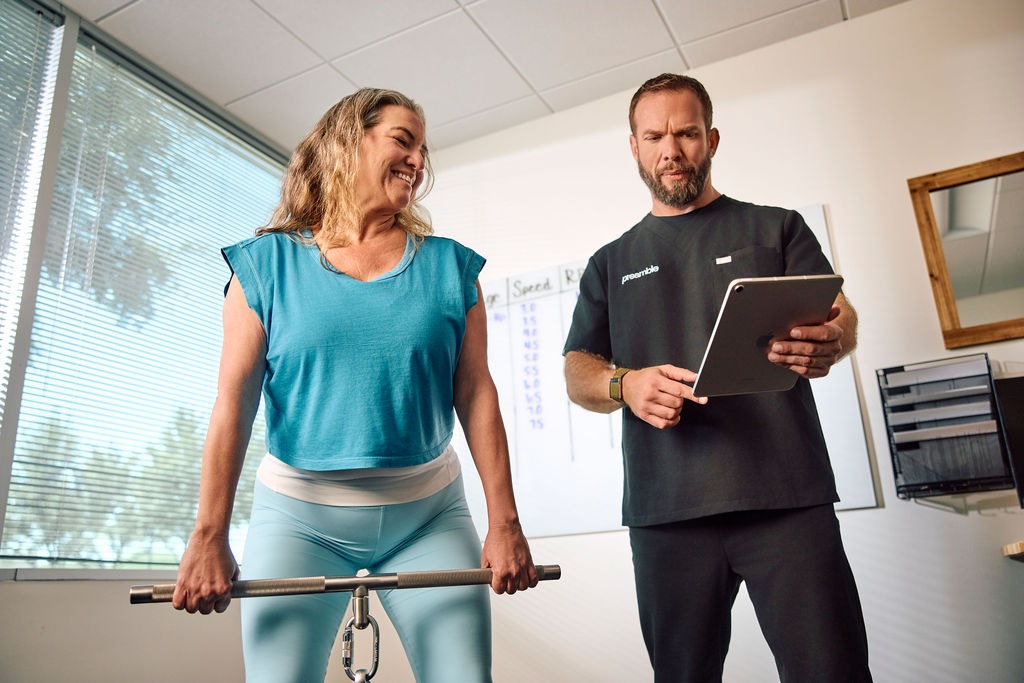
Functional Assessment (20-30 minutes)
Some programs include:
- Strength testing (grip strength, functional movements)
- Flexibility and mobility assessment
- Balance testing
- Movement quality screening
These assessments reveal functional limitations and injury risks.
After Your Executive Physical: What Comes Next
Your comprehensive assessment doesn’t end when you leave the facility.
Results Report
Within 1-2 weeks, you’ll receive a detailed report including:
- All lab values with interpretation
- Body composition analysis
- Cardiovascular fitness data
- Personalized recommendations
- Action plan prioritizing highest-impact interventions
Review this carefully. Most facilities offer follow-up calls if you have questions after reviewing your report.
Physician Consultation (60-90 minutes)
This is where everything comes together. Your physician reviews all results and discusses:
- What the data reveals about your health
- Risk factors and areas of concern
- Optimization opportunities
- Personalized recommendations for nutrition, exercise, supplementation
- Prevention strategies based on your specific results and goals
This is your opportunity to ask questions and understand what the numbers mean for your health trajectory.
Implementation Phase
Now comes the most important part: acting on your results.
Prioritize interventions – You likely received multiple recommendations. Focus on the highest-impact changes first rather than trying to implement everything simultaneously.
Set specific goals – Convert general recommendations into specific, measurable targets. “Improve cardiovascular fitness” becomes “Increase VO2 max from 32 to 38 ml/kg/min over 6 months.”
Create accountability – Schedule follow-up testing (usually 6-12 months) to track progress. Knowing you’ll retest provides motivation.
Address concerning findings – If your assessment revealed health issues requiring treatment or further evaluation, schedule appropriate follow-up promptly.
Follow-Up Testing
Plan to retest key markers:
- Blood work – Annually or every 6 months if actively addressing metabolic issues
- Body composition – Every 3-6 months if working on body composition changes
- VO2 max – Annually or every 6 months during active fitness improvement
- Full executive physical – Every 1-3 years depending on your age, risk factors, and health goals
This ongoing monitoring shows whether interventions are working and reveals your health trajectory over time.
Common Questions About Executive Physical Preparation
Q: Can I take my morning coffee before fasting blood work?
Most providers allow black coffee (no cream, sugar, or sweeteners), but confirm with your specific facility. Some prefer complete fasting except water.
Q: Should I exercise the morning of my appointment?
No. Save exercise for after your assessment, especially since you’ll be doing VO2 max testing and want to be fresh, not fatigued.
Q: What if I’m on medications that affect fasting?
Ask your provider about specific medication timing. Most medications are taken as normal with water, but diabetes medications may need adjustment.
Q: How should I eat the night before?
Eat a normal dinner, just finish 8-12 hours before your appointment. No need for anything special—just your typical meal.
Q: Can I work out later that day after testing?
After VO2 max testing (which is intense), you might want to take the rest of the day easy. Light activity is fine, but save hard training for the next day.
Q: What if I’m nervous about the VO2 max test?
It’s normal to be nervous about maximal exercise testing. Remember that you’re monitored throughout, the technician can stop the test anytime, and it only lasts 8-12 minutes. Most people are glad they did it once it’s over.
Q: Should I stop supplements before testing?
Ask your provider. Some facilities request holding supplements for 24 hours before blood work, others don’t. Prescription medications typically continue.
Getting Maximum Value from Your Investment
An executive physical is a significant investment. Here’s how to maximize its value:
Be Completely Honest
Provide accurate information about:
- Diet quality and typical eating patterns
- Actual exercise frequency and intensity (not aspirational goals)
- Alcohol consumption
- Sleep quality
- Stress levels
- Symptoms you’re experiencing
Physicians can’t help if they don’t know what’s actually happening. Honesty enables personalized, accurate recommendations.
Ask Questions
This is your time. Don’t leave confused:
- Ask what specific numbers mean
- Request clarification on recommendations
- Understand the why behind suggestions
- Get specific guidance on implementation
The consultation should leave you understanding your health and knowing exactly what actions to take.
Take Notes
During your consultation, write down:
- Key findings and what they mean
- Specific recommendations
- Target values for markers you’re working to improve
- Questions to research further
- Action items
You’ll receive a written report, but taking notes during discussion helps cement understanding.
Follow Through
The most expensive part of an executive physical would be getting all this valuable information and then doing nothing with it. The ROI comes from implementation:
- Make the recommended lifestyle changes
- Address identified health issues
- Track progress toward targets
- Retest to confirm improvement
The Bottom Line on Preparation
Preparing for your executive physical is straightforward:
Before scheduling: Gather medical history, family history, previous results, and health goals.
One week before: Maintain normal routine—regular diet, exercise, and sleep.
24-48 hours before: Finalize fasting plan, avoid intense exercise, confirm medication timing.
Day of: Bring ID, medical history, appropriate clothing, questions, and come ready to learn about your health.
After: Review results thoroughly, implement recommendations, schedule follow-up testing.
The preparation isn’t complicated, but doing it right ensures accurate results and productive consultation. You’re investing significant time and money—proper preparation maximizes the value of that investment.
Ready to schedule your comprehensive health assessment? Proper preparation sets the foundation for transformative health insights.
Schedule Your Executive Physical at Preamble Health
Our comprehensive executive physical in Scottsdale includes advanced blood work, DEXA scan, VO2 max testing, metabolic analysis, and extended physician consultation—everything you need for complete health assessment and optimization.
We guide you through preparation, ensure comfortable testing experience, and provide detailed results interpretation with personalized action plans.
Ready to invest in your health?
- Schedule your executive physical
- Learn about our Medicine 3.0 approach
- Read our executive physical vs regular physical comparison
Related resources:
- What is Medicine 3.0? – Our preventative care philosophy
- Complete Guide to DEXA Scans – Body composition testing
- VO2 Max Testing Explained – Cardiovascular fitness assessment
- Advanced Blood Work Guide – What comprehensive panels reveal