
Here’s a question most people never think to ask: would you rather live to 90 but spend the last 15 years unable to care for yourself, or live to 80 while remaining active and independent until the very end?
Most people instinctively choose the second option. But then they spend their entire lives optimizing for the first one—pursuing longevity without considering quality of life.
This is the fundamental distinction between lifespan and healthspan, and understanding it changes how you think about health entirely.
Lifespan is simple: it’s how long you live. Years from birth to death. This is what most medical interventions target—keeping you alive longer. It’s what gets reported in research studies and tracked by public health agencies.
Healthspan is different: it’s how long you live well. Years of healthy, active, independent life without chronic disease or disability. It’s the period where you can do what you want to do, pursue what matters to you, and maintain quality of life.
The gap between these two is where modern medicine often fails us. We’ve gotten very good at extending lifespan—keeping people alive with chronic disease management, medications, and interventions that prolong life even as function declines. We’ve gotten less good at extending healthspan—keeping people healthy, capable, and independent into old age.
The result is that many people spend the last decade or more of life with significant disability, chronic disease, loss of independence, and diminished quality of life. They’re alive, but they’re not living well. Lifespan increased, but healthspan didn’t keep pace.
This matters because your health trajectory determines whether your 70s and 80s are years of vitality and independence or years of decline and dependence. It determines whether aging means slowing down a bit or losing the ability to do things you care about.
The good news? Healthspan is highly modifiable. The choices you make today—exercise, nutrition, sleep, stress management, metabolic health—determine your trajectory decades from now.
What Healthspan Actually Means
Healthspan isn’t just “feeling pretty good.” It’s a specific concept: the period of life free from chronic disease and significant disability.
Think of it as the years where you maintain functional capacity. You can walk up stairs without stopping. You can carry groceries. You can travel. You can pursue hobbies. You can maintain your home. You can play with grandchildren. You’re not just alive—you’re capable.
This doesn’t mean you’re as physically capable at 75 as you were at 25. Natural aging involves some decline. But there’s a massive difference between age-appropriate decline (you’re a bit slower, you recover from exertion a bit longer) and disability (you can’t walk without assistance, you can’t live independently, you’re managing multiple chronic diseases).
Healthspan is about maintaining that functional capacity as long as possible and compressing the period of decline into the shortest possible window at the end of life. The ideal trajectory is staying healthy and active until very late in life, then declining rapidly rather than spending years in deteriorating health.
The Current Reality: Lifespan Gains, Healthspan Stagnation
Life expectancy in developed countries has increased dramatically over the past century. In 1900, average life expectancy in the US was about 47 years. Today it’s nearly 80 years. Medical advances, sanitation, antibiotics, vaccinations, and improved living conditions all contributed to this doubling of lifespan.
But healthspan hasn’t increased proportionally. Research suggests that Americans spend an average of 10-15 years living with significant chronic disease or disability. Women, who live longer on average, often spend 15-20 years with health limitations.
This is the success and failure of modern medicine in one statistic. We’ve gotten excellent at keeping people alive with diabetes, heart disease, kidney disease, and other chronic conditions. We manage these diseases with medications and interventions that extend life. But we haven’t prevented the diseases from developing in the first place, so people live longer while sick.
The gap between lifespan and healthspan is actually widening for many people. They’re living longer, but they’re spending more years of that extended life in poor health.
What Compresses Healthspan
Several factors cause healthspan to fall short of lifespan:
Chronic Disease – Type 2 diabetes, cardiovascular disease, cancer, chronic kidney disease, liver disease, COPD. These conditions often develop in midlife (50s and 60s) and then last for decades, requiring ongoing management and progressively limiting function.
Physical Decline – Loss of muscle mass (sarcopenia), reduced bone density (osteoporosis), decreased cardiovascular fitness, reduced mobility. These changes limit physical capacity and independence even without obvious disease.
Cognitive Decline – Dementia, Alzheimer’s disease, mild cognitive impairment. These rob people of independence, personality, and quality of life more devastatingly than almost any physical ailment.
Frailty – A syndrome of decreased reserve and resistance to stressors, frailty makes people vulnerable to falls, infections, hospitalization, and loss of independence. It’s the end result of multiple age-related declines converging.
All of these are partially preventable or delayable. They’re not inevitable consequences of aging—they’re consequences of how we age. And that’s largely determined by health behaviors decades before symptoms appear.
Why Healthspan Should Be Your Priority
If you had to choose between living to 90 with 20 years of chronic disease versus living to 85 while remaining healthy and active until 84, most people choose the second option without hesitation. So why do we optimize for the first?
Because it’s easier to measure and pursue lifespan than healthspan. Lifespan is a single number. Healthspan is multidimensional and requires thinking decades ahead. It’s easier to take medications that manage disease than to invest in prevention that maintains health.
But prioritizing healthspan over lifespan doesn’t mean accepting earlier death. It means recognizing that the interventions that extend healthspan—metabolic health, cardiovascular fitness, muscle mass, good nutrition—also tend to extend lifespan. You get both.
Quality vs Quantity of Years
The years that separate healthspan from lifespan are often the hardest years to live. Loss of independence, inability to do activities you enjoy, dependence on others for basic care, cognitive decline—these profoundly affect quality of life.
Many people reach old age and reflect that they’d trade years of diminished life for more years of quality life. They’d rather have had fewer total years but more good years. Yet few people think this way when they’re younger and the choices matter most.
This isn’t about giving up when health declines—it’s about recognizing that maintaining health and function matters more than just adding years to life. Ten years of vibrant, independent, active life is more valuable than fifteen years where the last five are spent largely immobile, dependent, and suffering.
The Cost of Compressed Healthspan
Beyond quality of life, there are practical costs to the gap between healthspan and lifespan:
Financial Costs – Healthcare spending is heavily concentrated in the final years of life, particularly for chronic disease management. The costs of medications, medical care, nursing facilities, and long-term care are substantial. Maintaining health longer reduces these costs dramatically.
Burden on Family – When healthspan falls short of lifespan, family members often become caregivers—a role that’s physically, emotionally, and financially demanding. Adult children spend years managing parents’ care, coordinating medical appointments, providing daily assistance, and making difficult decisions.
Lost Opportunity – The years of diminished health are years you can’t travel, pursue hobbies, spend quality time with family, or do things that matter to you. These opportunities don’t come back.
Extending healthspan addresses all of these. You maintain independence longer, reduce healthcare costs, don’t burden family with caregiving, and preserve the ability to live the life you want to live.
What Determines Your Healthspan
Healthspan isn’t random luck—it’s largely determined by modifiable factors. Genetics plays a role (maybe 20-30% of variation in longevity is genetic), but health behaviors and metabolic health matter more.
Cardiovascular Fitness
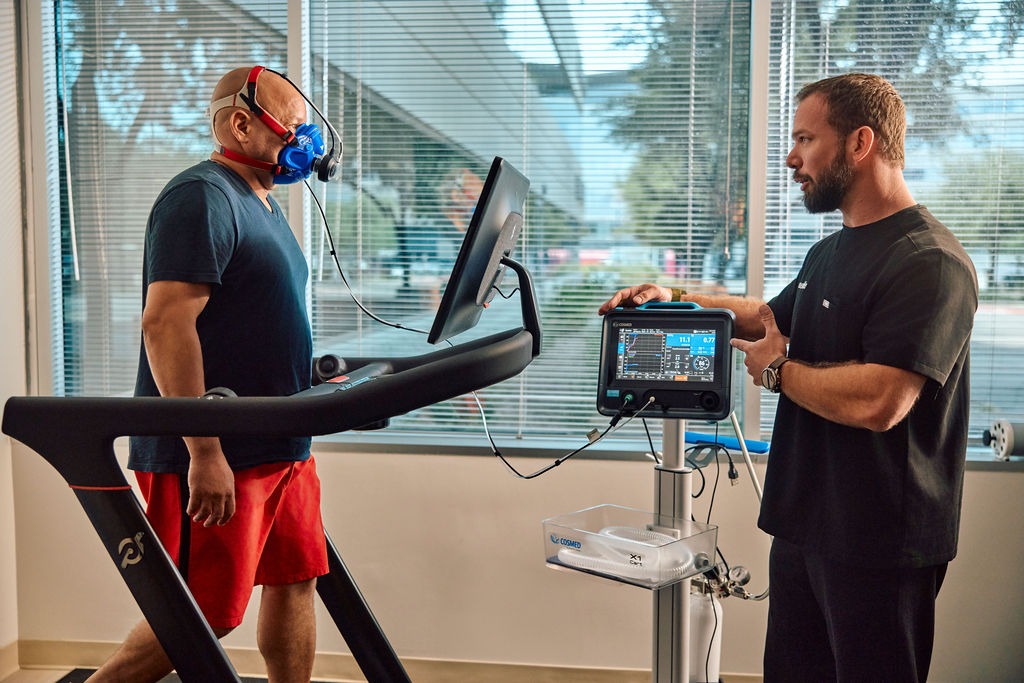
As covered in our VO2 max article, cardiovascular fitness is one of the strongest predictors of both healthspan and lifespan. Low cardiovascular fitness increases mortality risk more than smoking, high blood pressure, or diabetes. High fitness is protective even when other risk factors are present.
But beyond mortality, cardiovascular fitness determines functional capacity as you age. People who maintain good fitness into their 60s, 70s, and 80s can walk, climb stairs, carry things, and remain active. Those who lose fitness become progressively limited in what they can do.
VO2 max declines naturally with age—about 10% per decade after age 30 in sedentary people. But active people can slow this to 5% per decade or less. This difference is enormous over 30-40 years. A 70-year-old who maintained fitness might have the cardiovascular capacity of a sedentary 50-year-old.
Maintaining cardiovascular fitness requires regular exercise that challenges your cardiovascular system—activities that get your heart rate up and keep it elevated. This is non-negotiable for healthspan.
Muscle Mass and Strength
Muscle mass declines with age (sarcopenia), especially after age 50. Sedentary adults lose 3-8% of muscle mass per decade after age 30, with the rate accelerating after 60. This loss of muscle mass directly translates to loss of function—difficulty getting up from chairs, climbing stairs, carrying things, maintaining balance.
Low muscle mass and strength in older adults is strongly associated with disability, falls, loss of independence, and mortality. Conversely, maintaining muscle mass and strength preserves function and independence.
The good news: muscle mass is highly trainable at any age. Resistance training (lifting weights, bodyweight exercises, resistance bands) builds and maintains muscle even in people in their 70s, 80s, and beyond. It’s never too late to start, though it’s certainly easier to maintain muscle you already have than to rebuild after significant loss.
If you want to remain independent and capable as you age, maintaining muscle mass should be a priority.
Metabolic Health
Metabolic dysfunction—insulin resistance, type 2 diabetes, obesity, fatty liver disease, dyslipidemia—compresses healthspan significantly. These conditions typically develop in midlife and then progressively limit function and increase disease risk for decades.
Type 2 diabetes, for example, increases risk of cardiovascular disease, kidney disease, neuropathy, vision loss, and cognitive decline. It often requires decades of medication management and progressively impacts quality of life. Most importantly, it’s largely preventable through maintaining metabolic health.
As detailed in our advanced blood work article, metabolic dysfunction can be detected early—long before diabetes develops—through markers like fasting insulin, HbA1c, triglycerides, and inflammatory markers. Catching and reversing metabolic dysfunction in the prediabetic phase prevents years of disease.
Metabolic health is maintained through nutrition (controlling refined carbohydrates and added sugars, maintaining healthy weight), regular exercise, adequate sleep, and stress management. These interventions prevent metabolic disease from developing in the first place.
Body Composition
Body composition—how much fat and muscle you carry—affects healthspan independent of total body weight. Excess body fat, particularly visceral fat (fat around organs), drives metabolic dysfunction and inflammation. High body fat with low muscle mass (sarcopenic obesity) is particularly detrimental.
Maintaining healthy body composition means:
- Keeping body fat in healthy ranges (roughly 10-20% for men, 20-30% for women, though optimal varies individually)
- Maintaining adequate muscle mass
- Minimizing visceral fat (which DEXA scans can measure)
This doesn’t mean pursuing extreme leanness or bodybuilder physiques. It means avoiding obesity and maintaining enough muscle to support function.
Cognitive Health
Cognitive decline and dementia profoundly compress healthspan. Losing cognitive function means losing independence, personality, and quality of life more completely than most physical ailments.
While some cognitive decline with aging is normal, dementia is not an inevitable consequence of aging. Risk factors include:
- Cardiovascular disease and poor cardiovascular health
- Diabetes and insulin resistance
- Physical inactivity
- Poor sleep
- Social isolation
- Lack of cognitive engagement
Interventions that support cardiovascular health also support cognitive health. Exercise, particularly aerobic exercise, is one of the most powerful interventions for preserving cognitive function. Maintaining social connections, engaging in cognitively stimulating activities, managing cardiovascular risk factors, and ensuring quality sleep all contribute to cognitive healthspan.
Nutrition Quality
Diet quality affects healthspan through multiple mechanisms—metabolic health, inflammation, cardiovascular health, body composition, and disease risk.
Diets associated with extended healthspan tend to share common features:
- Emphasis on whole foods rather than processed foods
- Abundant vegetables and some fruit
- Adequate protein to support muscle mass
- Healthy fats (omega-3s from fish, nuts, olive oil)
- Minimal added sugars and refined carbohydrates
- Appropriate caloric intake to maintain healthy weight
You don’t need to follow a specific named diet—Mediterranean, low-carb, paleo, whatever—but you do need to consistently eat in a way that supports metabolic health and provides adequate nutrients.
Sleep Quality
Poor sleep accelerates aging and compresses healthspan. Chronic insufficient or poor-quality sleep is associated with:
- Increased risk of cardiovascular disease, diabetes, and obesity
- Cognitive decline and dementia risk
- Increased inflammation
- Impaired metabolic function
- Reduced muscle recovery and growth
Most adults need 7-9 hours of quality sleep nightly. Prioritizing sleep—consistent sleep schedule, good sleep environment, addressing sleep disorders—is as important as diet and exercise for healthspan.
Stress Management
Chronic stress drives inflammation, impairs metabolic health, affects sleep quality, and accelerates aging at the cellular level. While you can’t eliminate stress, how you manage it matters enormously.
Effective stress management might include:
- Regular exercise (which reduces stress hormones)
- Meditation or mindfulness practices
- Strong social connections and relationships
- Time in nature
- Engaging in activities you find meaningful and enjoyable
- Setting boundaries and managing workload
This isn’t soft self-care advice—chronic stress has measurable negative health effects, and managing it has measurable benefits.

The Interventions That Extend Healthspan
If healthspan is determined by the factors above, what are the highest-value interventions to maximize it?
Regular Exercise (Non-Negotiable)
Exercise is the single most powerful intervention for extending healthspan. It improves cardiovascular fitness, maintains muscle mass, supports metabolic health, reduces inflammation, preserves cognitive function, and directly impacts almost every system in your body.
The research is unambiguous: regular exercise extends both healthspan and lifespan more than any medication we have. It’s not optional if you’re serious about aging well.
An effective exercise program includes:
Cardiovascular Training – Activities that elevate heart rate: running, cycling, swimming, rowing, hiking. Aim for at least 150 minutes of moderate intensity or 75 minutes of vigorous intensity per week, ideally more. Include some high-intensity work to maximize cardiovascular fitness.
Strength Training – Resistance training to build and maintain muscle: weightlifting, bodyweight exercises, resistance bands. Target all major muscle groups at least 2-3 times per week. Progressive overload (gradually increasing difficulty) is important for continued adaptation.
Movement Throughout the Day – Beyond structured exercise, simply moving more throughout the day matters. Walking, taking stairs, physical hobbies, active leisure time—all contribute to healthspan.
Consistency matters more than perfection. Exercising regularly, even if not optimally, is far better than sporadic intense efforts.
Maintain Healthy Weight and Body Composition
Obesity compresses healthspan through multiple mechanisms—metabolic dysfunction, inflammation, increased disease risk, and reduced physical capacity. Maintaining healthy weight is protective.
This doesn’t mean pursuing extreme leanness. It means avoiding obesity and maintaining body composition that supports metabolic health and physical function. For most people, that means:
- BMI roughly 20-25 (though BMI has limitations and body composition matters more)
- Waist circumference under 40 inches for men, 35 inches for women
- Body fat percentage in healthy ranges
- Adequate muscle mass
Achieve this through appropriate caloric intake, nutrient-dense food choices, and regular exercise. Weight management is harder than maintaining healthy weight, so preventing weight gain is ideal.
Optimize Metabolic Health
Preventing or reversing metabolic dysfunction—insulin resistance, prediabetes, type 2 diabetes—should be a priority. This means:
- Controlling refined carbohydrate and added sugar intake
- Maintaining healthy weight
- Regular exercise (both cardiovascular and strength training)
- Ensuring adequate sleep
- Managing stress
Get comprehensive blood work to assess metabolic health and track whether your interventions are working. Don’t wait for diabetes to develop—address insulin resistance early when it’s easily reversible.
Prioritize Sleep
Consistently getting 7-9 hours of quality sleep should be as non-negotiable as exercise and nutrition. If you’re not sleeping well:
- Maintain a consistent sleep schedule
- Create a sleep-conducive environment (dark, cool, quiet)
- Limit screen exposure before bed
- Avoid caffeine late in the day
- Get morning sunlight exposure to regulate circadian rhythm
- Consider whether sleep disorders (sleep apnea, insomnia) need treatment
Track your sleep and treat it as a priority rather than something you’ll “get to eventually.”
Build and Maintain Social Connections
Social isolation and loneliness increase mortality risk comparable to smoking. Strong social connections are protective for both physical and mental health.
As you age, maintaining relationships and staying socially engaged matters enormously for healthspan. Isolation accelerates cognitive decline and increases disease risk. Connection supports resilience and quality of life.
Invest in relationships. Maintain friendships. Stay involved in communities. These aren’t optional extras—they’re health interventions.
Regular Preventative Health Screening
Catching problems early when they’re most treatable rather than waiting for symptoms matters for healthspan. This means:
- Regular comprehensive blood work to assess metabolic health, cardiovascular risk, inflammation, and nutrient status
- Cardiovascular fitness testing (VO2 max)
- Body composition analysis (DEXA scan)
- Age-appropriate cancer screening
- Regular health assessments with a provider focused on prevention
Medicine 3.0 emphasizes early detection and prevention rather than waiting to manage disease after it develops. This approach maximizes healthspan.
How to Think About Healthspan vs Lifespan
Understanding the distinction between healthspan and lifespan changes how you approach health decisions.
Short-Term Comfort vs Long-Term Function
Many health behaviors involve trading short-term comfort for long-term function. Exercise is uncomfortable in the moment but preserves function for decades. Eating healthier often means giving up highly palatable processed foods. Going to bed earlier means missing out on evening entertainment.
These tradeoffs are easier to make when you’re focused on healthspan rather than just avoiding disease. You’re not exercising to avoid a heart attack in 20 years (though that’s a benefit). You’re exercising to maintain the ability to hike, travel, play with grandchildren, and remain independent at 75.
That’s a more compelling reason that affects daily motivation.
Prevention vs Management
Modern medicine focuses heavily on disease management—treating conditions after they develop. This extends lifespan but often doesn’t extend healthspan. You can live a long time managing diabetes, heart disease, and other conditions, but you’re living with chronic disease rather than maintaining health.
Prevention focuses on maintaining health so disease doesn’t develop in the first place. This extends both healthspan and lifespan. You’re not managing chronic disease for decades—you’re maintaining the absence of disease.
This requires thinking ahead. The 40-year-old with borderline glucose isn’t sick yet, but they’re on a trajectory toward diabetes within 10 years. Intervening now prevents disease. Waiting means managing disease.
Investing in Your Future Self
The choices you make today determine your health trajectory decades from now. A 40-year-old who exercises consistently, maintains metabolic health, and builds muscle mass is investing in their 70-year-old self’s functional capacity.
This is sometimes called “health savings”—you’re banking health capital that you’ll draw on later. The more you save, the longer you maintain function.
Conversely, neglecting health today is borrowing from your future self. It might not show up immediately, but the bill comes due eventually, usually in the form of compressed healthspan.
The Bottom Line: Healthspan Is What Matters
Living longer is good. Living well longer is better.
The goal isn’t just adding years to life—it’s adding life to years. It’s maintaining independence, function, and quality of life as you age. It’s compressing the period of decline into the shortest possible window at the end of life rather than spending decades in deteriorating health.
This is entirely achievable. Healthspan is largely determined by modifiable factors—cardiovascular fitness, muscle mass, metabolic health, body composition, sleep, stress management, nutrition, and social connections. These aren’t things that happen to you; they’re things you control.
The interventions that extend healthspan also tend to extend lifespan. You’re not sacrificing longevity to maintain health—you’re pursuing both simultaneously through the same behaviors.
Start now. The choices you make today determine your trajectory decades from now. Build cardiovascular fitness. Maintain muscle mass. Optimize metabolic health. Prioritize sleep. Manage stress. Stay connected. Get regular preventative screening to catch problems early.
Your 75-year-old self will thank you.
Maximize Your Healthspan with Preamble Health
At Preamble Health, our entire approach centers on extending healthspan, not just lifespan. Our Medicine 3.0 philosophy focuses on maintaining health, function, and independence as you age through proactive prevention and optimization.
We provide the assessments—comprehensive blood work, VO2 max testing, DEXA scans—and personalized recommendations you need to understand your health trajectory and optimize for healthspan.
Ready to invest in your future self?
- Learn about our Medicine 3.0 Executive Physical for comprehensive healthspan assessment
- Explore our Core Membership with advanced metabolic testing
- Schedule a free consultation to discuss your health goals
- Read about our Medicine 3.0 approach to preventative care
Related resources:
- What is Medicine 3.0? – Our philosophy of proactive health optimization
- VO2 Max Testing Explained – Cardiovascular fitness and longevity
- Advanced Blood Work Guide – Comprehensive metabolic assessment
- Complete Guide to DEXA Scans – Body composition and bone density