
Turning 40 isn’t just a milestone birthday. It’s a biological transition point where disease risk starts climbing, metabolic function begins shifting, and the consequences of lifestyle choices made in your 20s and 30s start showing up in measurable ways.
The standard annual physical—15 minutes with your doctor, basic vitals, and maybe 10-15 routine lab tests—isn’t designed to catch these early changes. It’s designed to identify obvious diseases that have already been established. By the time standard testing flags a problem, you’ve often had dysfunction developing for years.
This is the decade where prevention matters most. Problems that start in your 40s can either be caught early and reversed, or they can quietly progress until they become chronic diseases requiring lifelong management. The difference between these outcomes often comes down to what you’re actually measuring.
So what should you be testing after 40? What screenings and assessments provide the most valuable information for disease prevention and health optimization? Which tests are worth the investment, and which are just medical theater that doesn’t change outcomes?
This is your guide to the preventative health tests that actually matter once you hit 40—what to test, why it matters, when to start, and how often to retest.
Why Testing Changes After 40
Your body at 40 is fundamentally different than at 30, even if you feel essentially the same. Metabolic rate has declined. Muscle mass is decreasing if you’re not actively maintaining it. Hormone levels are shifting. Inflammation tends to be higher. Disease risk for virtually every chronic condition—cardiovascular disease, diabetes, cancer, neurodegenerative disease—begins climbing.
These changes happen gradually enough that you might not notice day to day, but they’re measurable through proper testing. And catching them early, while they’re still reversible, is the entire point of preventative healthcare.
Standard screening recommendations focus on cancer detection—colonoscopy at 45 or 50, mammography at 40 or 50 depending on guidelines. These are important, but they’re not sufficient. They catch cancer, which is critical, but they miss the metabolic dysfunction, cardiovascular risk, body composition changes, and functional decline that actually determine how you’ll age.
Comprehensive preventative testing after 40 looks broader. It measures metabolic health to catch insulin resistance before diabetes develops. It assesses cardiovascular risk through advanced lipid panels that standard cholesterol testing misses. It tracks body composition to identify muscle loss and dangerous visceral fat accumulation. It measures cardiovascular fitness, which predicts longevity better than most other markers.
This is the decade to establish baselines. Know your numbers now, while you’re presumably still relatively healthy, so you can track changes over time and intervene early when problems start developing.
Comprehensive Blood Work: What to Test Beyond the Basics
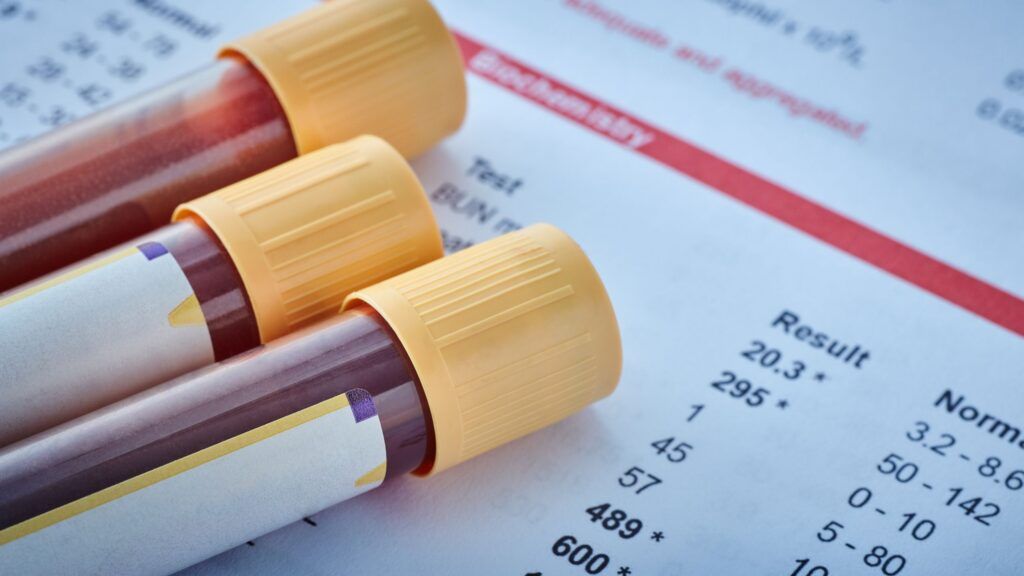
Standard annual physical blood work checks maybe 10-15 markers. That’s not enough to assess metabolic health, cardiovascular risk, or hormone function adequately.
After 40, you need comprehensive metabolic panels testing 30-50+ markers that reveal early dysfunction standard panels miss. Here’s what matters most.
Metabolic function markers are critical because insulin resistance and prediabetes typically develop during your 40s if you’re susceptible. Fasting glucose alone isn’t sufficient—you need fasting insulin, which rises years before glucose becomes abnormal. You need HbA1c measuring average blood sugar over three months. You want HOMA-IR calculated from glucose and insulin to quantify insulin resistance directly.
By the time fasting glucose hits diabetic levels (126 mg/dL), you’ve already lost significant pancreatic function. Catching insulin resistance at 42 when fasting insulin is elevated but glucose is still “normal” allows intervention before diabetes develops. This is the critical early detection window that standard testing misses.
Advanced cardiovascular markers matter because heart disease is still the leading cause of death, and it develops silently over decades. Standard lipid panels checking total cholesterol, LDL, HDL, and triglycerides provide some information, but they’re incomplete.
You need apolipoprotein B (ApoB) which measures particle number, not just cholesterol content. Two people with identical LDL cholesterol can have vastly different particle counts and therefore different cardiovascular risk. You need to know if you have elevated Lp(a), a genetic risk factor affecting about 20% of people that standard panels don’t test. You want inflammation markers like hs-CRP that independently predict cardiovascular events.
These advanced markers often reveal cardiovascular risk that basic cholesterol testing completely misses. Someone with “normal” LDL cholesterol might have high particle number placing them at elevated risk that goes undetected without proper testing.
Hormone assessment becomes increasingly important after 40 as levels begin shifting. For men, testosterone naturally declines about 1% annually after age 30. By your 40s, low testosterone (below 300-400 ng/dL) is common and causes fatigue, reduced muscle mass, increased body fat, low libido, and mood changes.
For women approaching perimenopause, estrogen and progesterone levels start fluctuating. Even before menopause, these hormonal shifts affect energy, body composition, mood, and metabolic health. Testing reveals whether symptoms are hormone-related.
Thyroid function deserves more than just TSH. A comprehensive thyroid panel includes free T4, free T3, reverse T3, and thyroid antibodies. Many people have subclinical thyroid dysfunction—TSH looks “normal” but free T3 is low or reverse T3 is elevated—causing real symptoms that get dismissed because TSH is in range.
Inflammation and immune markers reveal chronic low-grade inflammation driving most chronic diseases. High-sensitivity CRP (hs-CRP) measures systemic inflammation. Homocysteine elevation indicates B vitamin deficiency and increased cardiovascular and cognitive risk. These markers catch problems before they become diagnosable disease.
Nutrient status is commonly overlooked but affects everything. Vitamin D deficiency is epidemic—most people are below optimal levels—and low vitamin D increases infection risk, impairs immune function, affects bone health, and increases chronic disease risk. Vitamin B12 deficiency causes fatigue and cognitive issues, especially in people over 50 or taking certain medications. Magnesium deficiency is extremely common and affects hundreds of enzymatic processes.
Testing reveals deficiencies you can easily correct through supplementation, often dramatically improving energy, mood, and function.
Body Composition Analysis: Beyond Weight and BMI
Your scale and BMI tell you almost nothing useful about your health. Body composition—how much fat you carry, where that fat is located, how much muscle mass you have, and your bone density—actually determines metabolic health and aging trajectory.
After 40, body composition typically worsens even if weight stays stable. You lose muscle mass at 3-8% per decade if you’re not actively maintaining it through resistance training. You gain fat, often in the worst place—viscerally around organs—even if total weight doesn’t change much. Bone density begins declining, accelerating in women after menopause.
These changes profoundly affect health. Low muscle mass increases diabetes risk, reduces metabolic rate, and predicts disability and loss of independence as you age. High visceral fat drives insulin resistance and cardiovascular disease more than subcutaneous fat does. Low bone density dramatically increases fracture risk.
DEXA scans provide the gold standard for body composition assessment. A 10-minute scan measures body fat percentage, lean muscle mass, bone density, and visceral adipose tissue with accuracy within 1-2%.
You learn your actual body fat percentage, not estimated from a scale or calipers. You see muscle mass by region—arms, legs, trunk—tracking whether you’re maintaining muscle as you age or losing it. You get bone density measurements (T-scores) showing whether you have osteopenia or osteoporosis developing. You see visceral fat levels, with values above 100 cm² indicating metabolic dysfunction.
This information guides intervention. If you’re losing muscle, you need resistance training and adequate protein. If visceral fat is elevated, aggressive metabolic intervention prevents diabetes and cardiovascular disease. If bone density is declining, weight-bearing exercise and possibly medication prevent fractures.
Getting a baseline DEXA scan in your early 40s, then retesting annually or every couple years, tracks whether your body composition is improving, stable, or deteriorating as you age. This matters far more than what you weigh.
Cardiovascular Fitness Testing: The Longevity Predictor
Cardiovascular fitness, measured by VO2 max, is one of the strongest predictors of longevity we have. Low fitness increases mortality risk more than smoking, high blood pressure, or diabetes. Yet it’s almost never tested in standard healthcare.
VO2 max measures the maximum amount of oxygen your body can use during intense exercise. It reflects how well your cardiovascular system—heart, lungs, blood vessels, and muscles—works together to deliver and use oxygen.
After 40, VO2 max naturally declines about 10% per decade if you do nothing to maintain it. A 40-year-old with VO2 max of 40 ml/kg/min who’s sedentary will be around 32 ml/kg/min by 50 and 24 ml/kg/min by 60. That decline is the difference between being active and independent versus struggling with stairs and daily activities.
But this decline isn’t inevitable. Regular cardiovascular exercise slows it to 5% per decade or less. Some people maintain or even improve VO2 max through their 40s and 50s with consistent training.
VO2 max testing involves exercising on a treadmill or bike while wearing a mask that measures oxygen consumption and carbon dioxide production. Intensity gradually increases until you reach maximal effort. The test takes 8-12 minutes of actual exercise and shows your peak oxygen uptake plus your anaerobic threshold.
Results are interpreted relative to age and sex. For a 45-year-old man, VO2 max above 42 ml/kg/min is good, above 46 is excellent. For a 45-year-old woman, above 35 is good, above 39 is excellent. Being in the bottom 25% for your age group dramatically increases mortality risk. Being in the top 25% provides profound protection.
Testing establishes a baseline and provides training targets. Retesting annually shows whether your exercise program is maintaining or improving fitness. This single measurement predicts how long you’ll live and how well you’ll age better than most clinical markers.
Metabolic Rate and Glucose Monitoring
Understanding your actual metabolic rate removes guesswork from weight management, and continuous glucose monitoring reveals how your body responds to food in real time.
Resting metabolic rate (RMR) testing measures how many calories you burn at rest through indirect calorimetry—analyzing oxygen consumption and carbon dioxide production while you lie quietly for 15-20 minutes. You learn your actual metabolic rate rather than relying on generic calculators based on age, sex, and weight.
This matters because metabolic rate varies substantially between individuals. Two people of the same age, sex, and weight might have RMR differing by 200-300 calories daily. Knowing your actual rate allows accurate calorie targeting for weight loss or maintenance.
After 40, when metabolic rate naturally declines with age-related muscle loss, knowing your actual RMR helps you adjust caloric intake appropriately rather than wondering why strategies that worked at 30 don’t work anymore.
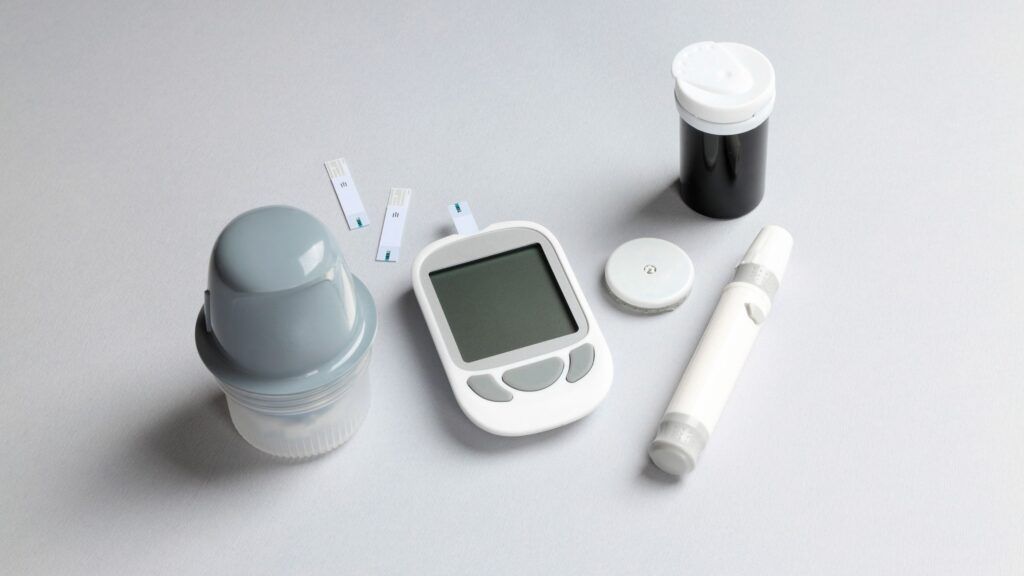
Continuous glucose monitoring (CGM) uses a small sensor worn on your arm for 10-14 days that measures glucose every few minutes. You see how meals affect blood sugar, how exercise influences glucose, how sleep quality impacts metabolism, and how stress affects glucose regulation.
This real-time feedback reveals patterns single fasting glucose measurements miss. You might have “normal” fasting glucose but significant post-meal spikes indicating early insulin resistance. You might see overnight glucose elevation suggesting metabolic dysfunction developing.
CGM is particularly valuable if you’re working to prevent or reverse prediabetes, if you’re optimizing body composition, or if you simply want to understand how your food choices affect metabolism. The data guides dietary adjustments based on your actual metabolic response rather than generic recommendations.
Cancer Screening: Age-Appropriate Guidelines
Cancer screening recommendations become more important after 40 as cancer risk increases with age. Different cancers have different screening protocols and starting ages.
Colonoscopy screening now starts at 45 for most people (lowered from 50 due to increasing colorectal cancer rates in younger adults). If you have a family history of colorectal cancer, screening starts earlier—usually 10 years before the age your relative was diagnosed, or at 40, whichever is earlier.
Colonoscopy every 10 years (if normal) catches precancerous polyps before they become cancer. Removing polyps during the procedure prevents colorectal cancer, which is why this screening so effectively reduces cancer mortality.
Mammography for breast cancer screening typically starts at 40, though guidelines vary (some recommend 45 or 50). Women with elevated risk—family history, genetic mutations like BRCA1/2, or dense breast tissue—may need earlier or more frequent screening, potentially including MRI.
Low-dose CT lung cancer screening is recommended for people 50-80 who currently smoke or quit within the past 15 years and have at least 20 pack-year smoking history. This catches lung cancer early when it’s most treatable.
Skin cancer screening through full-body skin exams by a dermatologist should happen annually or every few years depending on risk factors like fair skin, history of significant sun exposure, or family history of melanoma.
Prostate cancer screening for men typically involves PSA blood testing starting around 45-50 depending on risk factors. The decision to screen involves balancing potential benefits against risks of overdiagnosis and overtreatment, so discuss with your physician.
Beyond standard screening, comprehensive blood work sometimes includes tumor markers, though their utility for screening in asymptomatic people is debated. They’re more useful for monitoring known cancers than detecting new ones.
Functional and Physical Assessments
Physical function and mobility determine quality of life as you age. Testing strength, balance, flexibility, and movement quality in your 40s establishes baselines and identifies limitations before they cause injury or disability.
Grip strength testing is remarkably predictive—low grip strength predicts disability, hospitalization, and mortality. It’s a simple test using a hand dynamometer, taking 30 seconds, that reflects overall strength and muscle function. Declining grip strength over time indicates muscle loss that needs intervention.
Functional movement screening identifies mobility limitations, movement compensations, and injury risks. Simple tests—squat assessment, single-leg balance, overhead shoulder mobility—reveal restrictions that affect daily function and athletic performance. Physical therapists or qualified trainers can perform these assessments and design corrective programs.
Balance testing becomes increasingly important as fall risk increases with age. Single-leg stance time (how long you can balance on one foot) correlates with fall risk and overall physical function. Inability to stand on one leg for 10 seconds predicts increased mortality risk.
These functional assessments aren’t typically part of medical screenings, but they’re valuable for anyone serious about maintaining physical capability. They identify problems you can address through targeted exercise before they limit your life.
How Often to Test: Creating Your Schedule
Testing frequency depends on what you’re monitoring and whether you’re actively addressing identified issues.
For baseline comprehensive assessment in your early 40s, get the full panel—comprehensive blood work, body composition via DEXA, VO2 max testing, and metabolic rate if available. This establishes your starting point.
Annual comprehensive blood work makes sense for most people over 40. If you’re actively addressing metabolic issues, cardiovascular risk, or hormone optimization, testing every 6 months tracks progress and guides adjustments. If everything looks optimal, annual testing is sufficient.
Body composition (DEXA scans) every 6-12 months if you’re working on body composition goals, otherwise annually to track changes over time. More frequent scanning isn’t necessary unless you’re actively trying to build muscle or lose fat and want regular feedback.
VO2 max testing annually shows whether cardiovascular fitness is maintaining, improving, or declining. If you’re training specifically to improve VO2 max, testing every 6 months provides useful feedback.
Cancer screening follows established guidelines—colonoscopy every 10 years if normal, mammography annually or every 2 years depending on age and risk, and other screening per recommendations.
Functional assessments can be done annually or when you notice changes in physical capability.
The goal is tracking trends over time. A single set of results is a snapshot. Serial testing over years reveals your trajectory—are you maintaining health as you age, gradually declining, or actively improving? That information guides decisions.
What to Do With Your Results
Getting comprehensive testing is only valuable if you use the information to guide changes.
If metabolic markers are off—elevated fasting insulin, rising glucose, HbA1c above 5.4%—aggressive lifestyle intervention prevents diabetes. Weight loss if overweight, reduction in refined carbohydrates and added sugars, regular exercise including strength training, adequate sleep. Retest in 3-6 months to confirm improvement.
If cardiovascular risk markers are elevated—high ApoB, elevated Lp(a), increased inflammation—risk factor management becomes priority. Diet changes emphasizing whole foods and omega-3s, regular exercise, weight management if needed, stress reduction. Potentially medication like statins if risk is significantly elevated.
If body composition is suboptimal—high body fat, low muscle mass, elevated visceral fat—resistance training becomes non-negotiable along with adequate protein intake and caloric management. For declining bone density, weight-bearing exercise plus calcium and vitamin D optimization.
If cardiovascular fitness is low—structured exercise program increasing both volume and intensity of cardiovascular training. High-intensity interval training is particularly effective for improving VO2 max.
If hormone levels are suboptimal—address underlying causes first through lifestyle (sleep, stress, weight management) before considering hormone replacement. For persistent deficiency despite lifestyle optimization, HRT or TRT under medical supervision might be appropriate.
The key is making data-driven decisions. You know what needs improvement, you implement specific interventions targeting those issues, and you retest to confirm your approach is working. This is health optimization based on objective measurement, not guesswork.
The Bottom Line on Testing After 40
Standard annual physicals aren’t designed to catch the early dysfunction that determines how you’ll age. They’re designed to identify obvious diseases after they’re established. By 40, you need a more comprehensive assessment.
The tests that matter most—comprehensive metabolic blood work, advanced cardiovascular markers, body composition analysis, and cardiovascular fitness testing—reveal problems years before standard testing would catch them. They provide the early warning and specific data needed for effective intervention.
This isn’t about medicalizing normal aging. It’s about understanding what’s happening in your body while you still have time to change trajectory. Catching insulin resistance at 42 prevents diabetes at 52. Identifying cardiovascular risk factors at 45 prevents heart attacks at 55. Measuring muscle loss at 48 allows intervention preventing disability at 68.
You can’t optimize what you don’t measure. After 40, comprehensive preventative testing provides the information you need to maintain health rather than just manage disease later.

Get Comprehensive Preventative Testing at Preamble Health
At Preamble Health in Scottsdale, comprehensive health assessment is what we do. Our Medicine 3.0 Executive Physical includes everything discussed here—100+ biomarker blood panels, DEXA body composition scanning, VO2 max cardiovascular fitness testing, metabolic rate measurement, and extended physician consultation interpreting results and creating personalized optimization strategies.
Our Membership options provide ongoing access to comprehensive blood work, regular monitoring, and physician-guided optimization as you track progress over time.
This is preventative healthcare designed to catch problems early and maintain health, not just screen for disease.
- Schedule comprehensive health assessment to establish your baselines
- Learn about our Medicine 3.0 Executive Physical with complete testing
- Explore our Memberships for ongoing preventative care
- Book a free consultation to discuss which testing is right for you