You feel tired all the time. You mention it to your doctor at your annual physical. She runs some basic blood work. Everything comes back normal. “You’re fine,” she tells you. “Just try to get more sleep.”
Two years later, you’re diagnosed with type 2 diabetes. Looking back at those old lab results, your fasting glucose was 96 mg/dL—technically normal, but high enough to indicate insulin resistance was already developing. If someone had been looking for early dysfunction instead of just obvious disease, you could have reversed course years before diabetes developed.
This is the fundamental difference between traditional medicine and preventative healthcare. Traditional medicine asks “Is there disease present that needs treatment?” Preventative healthcare asks “Is health optimal, and if not, how do we fix it before disease develops?”
The distinction matters enormously because by the time traditional medicine identifies a problem, you’ve often had dysfunction developing for years. Preventative healthcare catches problems in that earlier window when intervention is most effective and disease is still reversible.
Traditional Medicine: The Reactive Model
Traditional medicine is built around diagnosis and treatment. You develop symptoms, see a doctor, get diagnosed, receive treatment. The system is designed to manage disease after it’s already established.
This model works well for acute problems. If you break your leg, get pneumonia, or have appendicitis, traditional medicine is excellent at diagnosis and treatment. The problem is that most of what kills people now isn’t acute disease—it’s chronic disease that develops over decades.
Heart disease, diabetes, cancer, neurodegenerative disease, kidney disease, liver disease—these conditions typically develop slowly with years of dysfunction before they’re clinically diagnosable. By the time you meet diagnostic criteria, significant damage has often already occurred.
Take type 2 diabetes as an example. The diagnostic criteria is fasting glucose above 126 mg/dL or HbA1c above 6.5%. But insulin resistance typically starts developing 10-15 years before you hit those diagnostic thresholds. During that entire time, traditional medicine considers you “fine” because you haven’t crossed the diagnostic line yet. By the time you’re diagnosed, your pancreatic beta cells have lost significant function and metabolic damage is established.
The traditional approach also focuses almost exclusively on managing disease with medications rather than addressing root causes. High cholesterol? Take a statin. High blood pressure? Take an antihypertensive. High blood sugar? Take metformin, then add more medications as disease progresses. These medications are valuable and sometimes necessary, but they’re managing disease, not preventing it or reversing it.
There’s nothing wrong with treating disease once it exists—that’s necessary and important. The problem is that waiting until disease is diagnosable before intervening means missing the entire window where prevention is possible.
Preventative Healthcare: The Proactive Model
Preventative healthcare flips the model. Instead of waiting for disease and then treating it, the focus is on maintaining health so disease never develops in the first place.
This means catching dysfunction early, years before it becomes diagnosable disease. It means using optimal ranges rather than just reference ranges when interpreting lab work. It means assessing risk factors and addressing them before they cause problems. And it means prioritizing lifestyle interventions that address root causes rather than just suppressing symptoms with medications.
Using the diabetes example again, preventative healthcare identifies insulin resistance at age 45 when fasting insulin is elevated but glucose is still “normal.” It recognizes that a fasting glucose of 96 mg/dL, while technically in the normal range, indicates developing metabolic dysfunction. It intervenes with dietary changes, exercise, weight loss if needed, and tracks whether those interventions are working by retesting insulin and glucose every 6-12 months.
The result is that diabetes never develops. You don’t spend 20-30 years managing a chronic disease. You addressed dysfunction before it became disease.
This approach requires different testing than traditional medicine uses. Standard annual physicals check 10-15 basic markers designed to catch obvious disease. Preventative healthcare uses comprehensive panels testing 100+ markers that reveal early dysfunction, metabolic health, inflammation status, nutrient deficiencies, and optimization opportunities.
It also requires longer appointments. A traditional physical might be 15 minutes with your doctor. Preventative healthcare involves extended consultations discussing results in detail, understanding your health trajectory, and creating personalized strategies based on your actual data rather than generic guidelines.
The emphasis is on lifestyle as primary intervention. Diet, exercise, sleep, stress management—these are the foundation. Medications have their place when necessary, but they’re not the first-line approach for every abnormal lab value. The goal is to address why the problem exists rather than just suppressing it with drugs.
Where the Models Differ Most
The clearest differences between traditional medicine and preventative healthcare show up in a few key areas.
Timing of intervention is fundamentally different. Traditional medicine intervenes after disease is diagnosable. Preventative healthcare intervenes during the dysfunction phase before disease develops. This difference in timing is why prevention is so much more effective—you’re addressing problems when they’re still reversible.
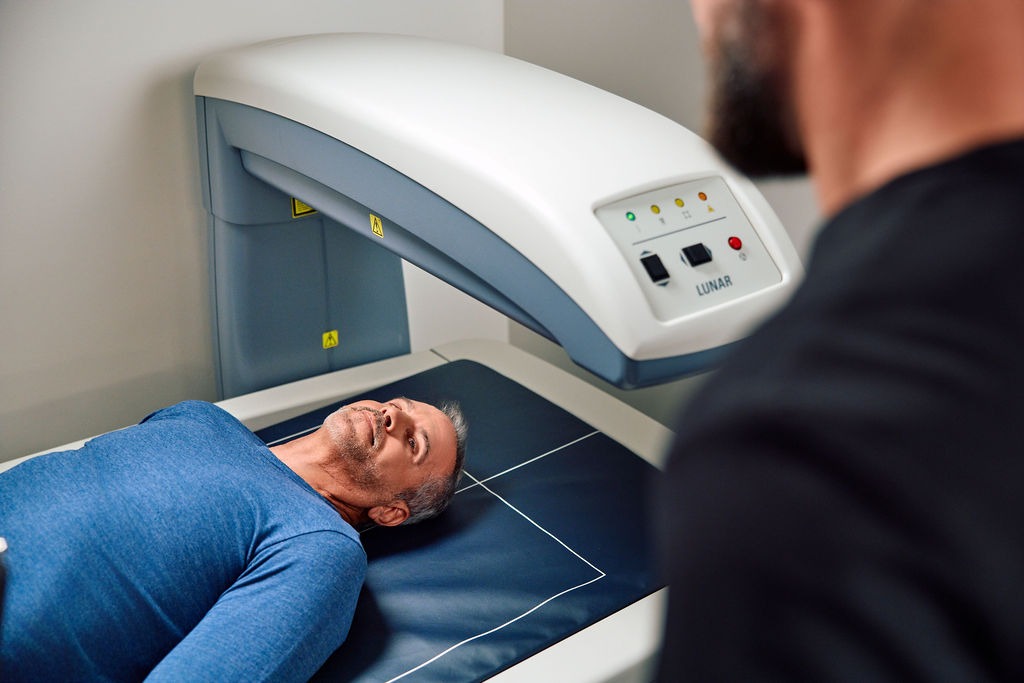
What gets measured varies dramatically. Traditional medicine uses basic screening panels. Preventative healthcare uses comprehensive testing that reveals subtle dysfunction and optimization opportunities. Things like fasting insulin, advanced lipid panels measuring particle number, inflammation markers like hs-CRP, body composition via DEXA, and cardiovascular fitness via VO2 max testing—none of these are standard in traditional medicine, but all provide critical information for prevention.
How results are interpreted matters enormously. Traditional medicine compares your results to reference ranges based on the general population. If you’re within range, you’re told you’re fine. Preventative healthcare uses optimal ranges based on what’s associated with excellent health outcomes. Being “within normal range” isn’t the goal—being optimal is.
Treatment philosophy diverges sharply. Traditional medicine reaches for medications quickly. Preventative healthcare prioritizes lifestyle interventions and uses medications only when lifestyle changes are insufficient or when risk is high enough to warrant pharmaceutical intervention regardless of lifestyle.
Relationship with the patient looks different. Traditional medicine is often transactional—you see a doctor when you’re sick, get treated, and that’s it. Preventative healthcare is ongoing partnership. You work with providers over time, track your health trajectory, make adjustments based on data, and continually optimize.
When Each Model Makes Sense
Despite the emphasis on prevention, traditional medicine absolutely has its place. If you have acute illness, trauma, or established disease requiring treatment, traditional medicine is exactly what you need. Emergency departments, surgical interventions, antibiotics for infections, treatment of cancer—these are the strengths of traditional medicine and they’re lifesaving.
The problem is that traditional medicine gets applied to chronic disease prevention, where it performs poorly. It waits too long to intervene and focuses too heavily on pharmaceutical management rather than addressing root causes.
Preventative healthcare is ideal for chronic disease prevention and health optimization. If you’re currently healthy and want to stay that way, if you have risk factors you want to manage, if you’re experiencing symptoms that standard testing hasn’t explained, or if you simply want to optimize health rather than just avoid obvious disease—preventative healthcare is the right model.
The ideal is actually both. Use preventative healthcare as your primary approach to health—comprehensive testing, early intervention, lifestyle optimization, ongoing monitoring. But if you do develop acute illness or serious disease that requires treatment, traditional medicine has the tools and expertise to manage that effectively.
The Cost Equation
Traditional medicine appears cheaper upfront because it’s usually covered by insurance. Your annual physical costs little out of pocket. If you develop diabetes, your medications are covered. If you have a heart attack, your treatment is covered.
Preventative healthcare often isn’t covered by insurance, at least not comprehensively. An executive physical costs $2,000-$4,000 out of pocket. Comprehensive blood work, DEXA scans, VO2 max testing—you’re often paying for these directly.
But this comparison ignores the cost of disease. Managing type 2 diabetes costs roughly $10,000 annually in direct medical costs, or $300,000+ over 30 years. A heart attack costs $50,000-$100,000 for acute treatment plus ongoing medication and monitoring. Cancer treatment averages $150,000-$300,000 or more.
Spending $2,000-$4,000 annually on prevention to avoid spending $200,000-$500,000 managing preventable disease is obviously worth it financially. And that doesn’t even account for the personal cost of living with chronic disease—reduced quality of life, loss of independence, complications, side effects from medications.
Prevention costs money upfront but saves dramatically more down the line. Traditional medicine appears cheap because you’re not paying directly for the actual costs—insurance covers them, and you pay through premiums. But the total cost is far higher.
Making the Shift
If you’ve been operating in the traditional medicine model your whole life, shifting to preventative healthcare requires some adjustment.
You’ll need to take more ownership of your health. Preventative healthcare is collaborative—your provider gives you information and recommendations, but you’re responsible for implementation. Traditional medicine is more passive—you show up, get told what to do, and that’s often the extent of it.
You’ll probably need to pay out of pocket for some testing and services. Insurance coverage for preventative care is improving but still limited. If you want comprehensive assessment and optimization rather than just basic screening, expect to invest financially.
You’ll need to think long-term. Preventative healthcare pays off over years and decades, not immediately. You’re investing in your 60-year-old self’s health when you’re 40. That requires a different time horizon than “fix my current symptom.”
You’ll need to find providers who practice preventative medicine. Not all doctors are trained in or focused on prevention and optimization. Look for physicians practicing functional medicine, Medicine 3.0, or preventative cardiology—providers who emphasize early intervention and lifestyle rather than just diagnosing and medicating.
The Bottom Line
Traditional medicine and preventative healthcare serve different purposes. Traditional medicine treats disease after it develops. Preventative healthcare maintains health so disease never occurs.
For acute illness and established disease, traditional medicine is essential and effective. For chronic disease prevention and health optimization, preventative healthcare is far superior because it intervenes early when problems are still reversible.
The ideal is using both appropriately—preventative healthcare as your primary approach to health, with traditional medicine available when you need treatment for acute problems or serious disease.
Your choice determines whether you spend your 60s and 70s managing chronic disease or maintaining health and independence. That’s worth thinking about seriously, regardless of what your current insurance covers.
Experience Preventative Healthcare at Preamble Health
At Preamble Health, we practice Medicine 3.0—a preventative healthcare model focused on maintaining health rather than waiting to treat disease. Our comprehensive assessments identify dysfunction years before it becomes diagnosable disease, giving you the information and tools to prevent problems rather than manage them.
We use advanced testing, extended consultation time, and personalized lifestyle interventions to optimize your health trajectory. This is healthcare designed to keep you healthy, not just treat you when you’re sick.
Ready to shift from reactive to proactive healthcare?