You step on the scale and your weight looks fine. Your BMI is in the normal range. You might even have what appears to be a reasonable body fat percentage based on a home scale or gym measurement.
But hidden inside your abdomen, fat is accumulating around your organs—your liver, pancreas, intestines, kidneys. This visceral fat is metabolically active tissue that pumps out inflammatory molecules and disrupts normal metabolic function. It’s driving insulin resistance, increasing your cardiovascular disease risk, and setting you up for metabolic dysfunction even though your weight seems fine.
You have no idea this is happening because visceral fat is invisible. You can’t see it in the mirror. The scale can’t measure it. Standard body fat measurements don’t distinguish between fat under your skin and fat around your organs. Only imaging can reveal how much visceral fat you’re carrying.
This matters enormously because visceral fat is far more dangerous than the subcutaneous fat you can pinch. Two people with identical total body fat can have completely different health outcomes if one carries fat viscerally and the other doesn’t. You can be “skinny fat”—normal weight with low muscle mass and high visceral fat—and have worse metabolic health than someone who’s heavier but carries fat subcutaneously.
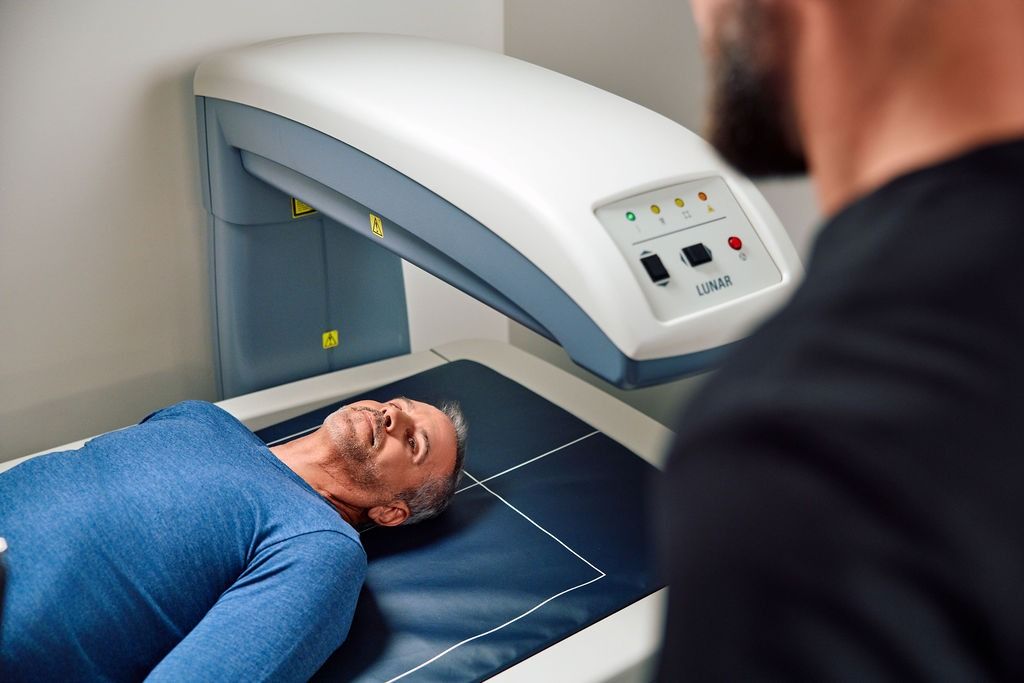
DEXA scans measure visceral fat precisely, revealing this hidden risk factor that other methods miss. If you’ve never had your visceral fat measured, you genuinely don’t know whether this silent problem is developing.
Here’s what visceral fat is, why it’s so much worse than other fat, how to know if yours is elevated, and what actually works to reduce it.
What Makes Visceral Fat Different
Not all body fat is the same. Where fat is stored determines its metabolic effects dramatically.
Subcutaneous fat sits under your skin. It’s the fat you can pinch on your arms, legs, or stomach. This fat is relatively metabolically inert—it stores energy but doesn’t produce many hormones or inflammatory molecules. Having excess subcutaneous fat isn’t ideal, but it’s not particularly dangerous from a metabolic standpoint.
Visceral fat is completely different. It accumulates in your abdominal cavity, wrapping around your liver, pancreas, intestines, and other organs. This fat is metabolically active. It secretes inflammatory cytokines, disrupts normal hormone signaling, releases free fatty acids directly into your portal circulation affecting your liver, and generally wreaks havoc on metabolic function.
The fat around your organs acts almost like an endocrine organ itself, pumping out substances that cause problems throughout your body. It’s not just passive energy storage—it’s actively making you less healthy.
This explains why waist circumference predicts health outcomes better than total body weight. A large waist suggests visceral fat accumulation even if your total weight seems reasonable. It’s also why “apple shaped” fat distribution (weight carried in the midsection) is more dangerous than “pear shaped” distribution (weight carried in hips and thighs). The apple shape indicates visceral fat.
But waist circumference is an imperfect proxy. Some people have large waists from subcutaneous fat without much visceral fat. Others have relatively small waists but significant visceral fat. The only way to know for certain is to measure it directly, which requires imaging.
How Visceral Fat Drives Disease
The metabolic consequences of visceral fat are well-established and severe.
Insulin resistance develops with visceral fat accumulation. The inflammatory molecules and free fatty acids released by visceral fat impair insulin signaling in your liver and muscles. Your cells become less responsive to insulin, so your pancreas has to produce more insulin to maintain normal blood sugar. Over time this leads to progressively worsening insulin resistance and eventually type 2 diabetes.
Studies consistently show that visceral fat correlates with insulin resistance much more strongly than total body fat or subcutaneous fat. You can have normal total body fat but if it’s concentrated viscerally, you’ll likely have metabolic dysfunction. Conversely, people with higher total body fat but low visceral fat often have normal metabolic markers.
Cardiovascular disease risk increases with visceral fat through multiple mechanisms. The inflammation it produces damages blood vessels. The disrupted lipid metabolism increases atherogenic lipoproteins. The insulin resistance and resulting metabolic changes promote arterial plaque formation. Visceral fat is independently associated with heart disease risk even after controlling for total body fat and other risk factors.
Fatty liver disease, now called metabolic dysfunction-associated steatotic liver disease (MASLD), is directly linked to visceral fat. The free fatty acids released by visceral adipose tissue get taken up by your liver, where they accumulate and cause inflammation and dysfunction. This can progress from simple fatty liver to steatohepatitis (inflammation), fibrosis, and eventually cirrhosis.
Chronic inflammation throughout your body increases with visceral fat. The inflammatory cytokines produced by visceral adipose tissue—IL-6, TNF-alpha, and others—create systemic inflammation that’s measurable through markers like hs-CRP. This inflammation accelerates aging, increases cancer risk, promotes neurodegenerative disease, and drives most chronic health problems.
The hormonal disruption caused by visceral fat affects everything from sex hormone levels to cortisol to adiponectin (a beneficial hormone that decreases with visceral fat). These hormonal changes further impair metabolic function and contribute to various health problems.
What DEXA Scans Show About Visceral Fat
DEXA scans measure visceral adipose tissue (VAT) in square centimeters by analyzing the abdominal region and distinguishing visceral fat from subcutaneous fat based on density and location.
A typical DEXA report shows your VAT measurement along with your total body fat percentage and regional fat distribution. You might see something like “VAT: 85 cm²” along with your other body composition data.
Generally, visceral fat above 100 cm² is considered elevated and associated with increased metabolic risk. Above 150-200 cm² indicates significant metabolic dysfunction is likely present or developing. Optimal is keeping VAT under 100 cm², ideally under 75-80 cm².
But these thresholds are somewhat arbitrary. Lower is better, and the relationship between visceral fat and metabolic risk is continuous—there’s no safe cutoff where risk suddenly disappears. Even modest elevations above optimal levels increase risk.
What’s particularly valuable about DEXA is that it reveals visceral fat accumulation early, often before you have obvious metabolic problems. Your fasting glucose might still be normal, you might not be overweight, but if your VAT is 120 cm², you know metabolic dysfunction is developing and you can intervene before it progresses.
DEXA also allows you to track changes over time. If you implement dietary changes and exercise to reduce visceral fat, retesting every 3-6 months shows whether your interventions are working. You’re not guessing based on how you feel or whether your pants fit better—you have an objective measurement of whether visceral fat is actually decreasing.
Who’s at Risk for High Visceral Fat
Visceral fat accumulation isn’t random. Certain patterns and risk factors make it more likely.
Men accumulate visceral fat more readily than premenopausal women. Testosterone promotes visceral fat deposition, while estrogen tends to promote subcutaneous fat storage in hips and thighs. This is why men typically have apple-shaped fat distribution and women have pear-shaped distribution. After menopause, women lose estrogen’s protective effect and begin accumulating more visceral fat.
Aging increases visceral fat accumulation for both sexes, even if total body weight stays stable. You can weigh the same at 50 as you did at 30, but if you’ve lost muscle and gained fat, and that fat is deposited viscerally, your metabolic health has deteriorated dramatically despite stable weight.
Genetics influence where you store fat. Some people preferentially deposit fat viscerally even at relatively low body weights. Others store fat subcutaneously and might carry significant excess weight before developing much visceral fat. If you have a family history of diabetes or metabolic disease, you likely have a genetic tendency toward visceral fat accumulation.
Diet quality matters enormously. Diets high in refined carbohydrates, added sugars, and particularly fructose promote visceral fat deposition more than other dietary patterns. Sugar-sweetened beverages are particularly problematic—the fructose gets metabolized primarily in your liver and readily converts to visceral fat.
Sedentary lifestyle promotes visceral fat accumulation. Exercise, particularly higher-intensity exercise and resistance training, preferentially reduces visceral fat. Inactive people accumulate visceral fat much more readily than active people.
Stress and poor sleep increase visceral fat through cortisol and other mechanisms. Chronic stress elevates cortisol, which promotes visceral fat deposition. Poor sleep quality disrupts hormones in ways that promote fat storage, particularly visceral fat.
Alcohol consumption, especially heavy drinking, increases visceral fat. The classic “beer belly” is largely visceral fat accumulation driven by alcohol metabolism and the calories alcohol provides.
What Actually Reduces Visceral Fat
The good news is that visceral fat is more responsive to intervention than subcutaneous fat. When you lose weight through diet and exercise, visceral fat decreases disproportionately compared to subcutaneous fat. This is the opposite of what happens when you gain weight—visceral fat accumulates faster.
Caloric deficit is necessary for fat loss. You need to consume fewer calories than you burn, creating an energy deficit that forces your body to mobilize stored fat for fuel. There’s no way around this fundamental requirement—you cannot reduce body fat, including visceral fat, without being in caloric deficit.
The composition of your diet matters beyond just calories. Reducing refined carbohydrates and added sugars helps specifically with visceral fat reduction. These foods drive insulin secretion and promote fat storage, particularly in the visceral compartment. Cutting back on sugary drinks, desserts, refined grains, and processed foods high in added sugar reduces visceral fat more effectively than calorie-matched reductions in other foods.
Protein intake should be adequate during fat loss to preserve muscle mass. Aim for roughly 0.7-1 gram of protein per pound of body weight. This supports muscle maintenance while in caloric deficit and improves satiation, making it easier to maintain the deficit.
Exercise is critical, particularly for visceral fat reduction. Both aerobic exercise and resistance training reduce visceral fat, but higher-intensity work seems particularly effective. Studies show that moderate to vigorous aerobic exercise reduces visceral fat more than low-intensity exercise even when total calories burned are similar. Interval training, where you alternate between hard efforts and recovery, is especially effective.
Resistance training reduces visceral fat both directly and indirectly by building or maintaining muscle mass. More muscle means higher metabolic rate and better glucose disposal, both of which help reduce visceral fat over time.
The combination of diet creating caloric deficit plus regular exercise is more effective than either alone. If you only diet without exercising, you’ll lose weight but you might lose muscle along with fat. If you only exercise without controlling diet, you might not create sufficient caloric deficit to lose fat. Together they’re synergistic.
Sleep quality matters for visceral fat reduction. Poor sleep impairs fat loss and promotes fat retention, particularly visceral fat. Aim for 7-9 hours of quality sleep nightly. If you have sleep apnea, treating it often leads to visceral fat reduction even without other interventions.
Stress management helps through cortisol and behavioral effects. Chronic stress makes fat loss harder both physiologically through hormones and behaviorally through stress eating and reduced exercise adherence. Finding effective stress management techniques—exercise, meditation, time in nature, social connection—supports visceral fat reduction.
Alcohol reduction or elimination helps many people reduce visceral fat. If you’re drinking regularly, particularly multiple drinks per day, cutting back will likely reduce visceral fat accumulation.
How Fast Can You Reduce Visceral Fat
With consistent intervention, visceral fat decreases fairly rapidly compared to subcutaneous fat. You might see significant reductions in visceral fat within 8-12 weeks of dietary changes and increased exercise even if total weight loss seems modest.
This is one reason why improvements in metabolic markers often happen faster than changes in total body weight. Your fasting insulin drops, your triglycerides improve, your blood pressure comes down—all reflecting visceral fat reduction—while the scale hasn’t moved that much. You’re losing the dangerous fat even if total weight loss is gradual.
Retesting with DEXA every 3-6 months during active fat loss shows your progress objectively. You can see visceral fat decreasing even during periods when total weight loss has plateaued. This provides motivation to continue since you know your interventions are working at the level that matters most for health.
Don’t expect linear progress. Fat loss happens in fits and starts with weeks of seemingly no change followed by sudden drops. Visceral fat reduction follows the same pattern. Consistency over months matters more than perfect adherence every single day.
The “Skinny Fat” Problem
One of the most important things visceral fat measurement reveals is metabolic dysfunction in people who appear healthy by conventional metrics.
Someone might have a BMI of 23, which is solidly “normal weight.” They might even have a reasonable total body fat percentage around 25-28%. But if they have low muscle mass and visceral fat of 130 cm², they have significant metabolic risk despite appearing healthy.
This is “skinny fat” or normal weight obesity. It’s increasingly common, particularly in people who maintain low weight through caloric restriction without exercise. They’re not overweight, but they have poor body composition—low muscle and high visceral fat—that creates metabolic problems.
These people often have insulin resistance, dyslipidemia, fatty liver, and other metabolic issues despite normal weight. They’re told they’re healthy based on BMI and basic labs, but they’re actually at significant risk. Only comprehensive assessment including visceral fat measurement reveals the problem.
The solution is the same as for anyone with elevated visceral fat: resistance training to build muscle, adequate protein intake, some caloric deficit if total body fat is elevated, and exercise to reduce visceral fat. But the mindset shift is harder because these people don’t think of themselves as needing to lose fat or improve body composition.
Visceral Fat and Aging
As you age, maintaining low visceral fat becomes increasingly important and increasingly difficult. Hormonal changes promote visceral fat accumulation. Declining muscle mass reduces metabolic rate. Reduced activity compounds the problem.
The person who maintains stable weight from age 40 to 65 but loses 15 pounds of muscle and gains 15 pounds of fat—with much of that fat deposited viscerally—has experienced dramatic metabolic deterioration despite unchanged weight. Their BMI stayed the same but their health trajectory shifted dramatically.
This is why body composition measurement becomes more important with age, not less. You can’t rely on the scale or BMI to tell you whether your body composition is appropriate. You need direct measurement of muscle mass and visceral fat to know whether you’re maintaining healthy body composition as you age.
Regular DEXA scans—annually or every couple of years—reveal these trends early. You can see visceral fat starting to creep up at 45 and intervene before it becomes a significant problem at 55. You can track whether you’re maintaining muscle mass or losing it gradually. This information allows course correction before dysfunction is established.

Beyond the Number
While the visceral fat measurement from DEXA gives you a specific number to track, what matters most is the broader pattern of metabolic health. Visceral fat is one piece of the puzzle along with fasting insulin, glucose, triglycerides, HDL, blood pressure, and inflammatory markers.
Someone with visceral fat of 110 cm² but normal metabolic markers otherwise might not need aggressive intervention. Someone with visceral fat of 90 cm² but elevated fasting insulin, high triglycerides, and low HDL clearly has metabolic dysfunction that needs addressing despite visceral fat being under 100 cm².
Use visceral fat measurement as one data point in comprehensive metabolic assessment. Get baseline DEXA, get comprehensive blood work, understand your overall metabolic health picture. Then implement interventions targeting the entire pattern, not just the visceral fat number in isolation.
The interventions that reduce visceral fat—caloric deficit from improved diet, regular exercise including resistance training and higher-intensity cardio, adequate sleep, stress management—also improve all your other metabolic markers. You’re not just reducing a number on a scan. You’re fundamentally improving your metabolic health.
The Bottom Line on Visceral Fat
Visceral fat is the most metabolically dangerous fat you can carry. It drives insulin resistance, inflammation, cardiovascular disease, and metabolic dysfunction more than any other fat depot. Yet it’s completely invisible without imaging.
You can’t know if you have elevated visceral fat based on weight, BMI, or how you look in the mirror. You need direct measurement, which DEXA scans provide accurately and precisely.
If you’ve never measured your visceral fat and you’re over 40, or if you have metabolic risk factors like prediabetes or family history of diabetes, get a DEXA scan. Know your baseline. If it’s elevated, you have actionable information. If it’s optimal, you know to maintain your current approach.
Visceral fat is responsive to intervention. Diet quality, exercise, sleep, and stress management all reduce it effectively. The changes you make to reduce visceral fat improve virtually every aspect of your metabolic health simultaneously.
Measure what matters. Visceral fat matters more than almost any other body composition metric for disease risk and metabolic health.
Measure Your Visceral Fat at Preamble Health
At Preamble Health, DEXA scans are a core component of our metabolic health assessment. We measure body composition including visceral fat, muscle mass, bone density, and regional fat distribution to provide complete understanding of your metabolic risk.
Our Medicine 3.0 Executive Physical includes DEXA scanning along with comprehensive blood work measuring metabolic markers, allowing us to connect body composition findings with metabolic function and create targeted interventions.
- Schedule a DEXA scan to measure your visceral fat and body composition
- Learn about our Medicine 3.0 Executive Physical with a comprehensive metabolic assessment
- Book a consultation to discuss body composition and metabolic health
- Read our complete DEXA scan guide for understanding all aspects of body composition analysis