
Most people think of strength training as something for athletes, bodybuilders, or people who want to look good at the beach. It’s optional—something you might do if you have extra time or specific aesthetic goals, but not essential for health.
This is completely wrong. Strength training is one of the most powerful interventions we have for disease prevention and healthy aging. It’s not optional if you’re serious about maintaining independence and function as you get older.
The evidence is overwhelming. Resistance training prevents sarcopenia (age-related muscle loss), maintains bone density, improves metabolic health, reduces fall risk, preserves independence, and extends healthspan more effectively than almost any other intervention. People who maintain muscle mass into their 70s and 80s stay independent and capable. People who lose muscle become frail, dependent, and disabled.
Yet most people over 50 don’t do any resistance training. They might walk or do some cardio, but they’re not challenging their muscles with progressive resistance. Then they wonder why they’re getting weaker, why stairs are harder, why they can’t open jars or carry groceries like they used to.
Muscle loss isn’t an inevitable consequence of aging. It’s a consequence of not using your muscles. And the solution is straightforward: lift weights, use resistance, challenge your muscles regularly. That’s it.
Here’s why strength training matters so much for longevity, what happens when you don’t do it, and how to start regardless of your current age or fitness level.
What Happens to Muscle as You Age
Starting around age 30, you begin losing muscle mass if you don’t actively maintain it. The rate of loss is about 3-8% per decade for sedentary adults, accelerating after age 60. By age 80, someone who’s been sedentary might have lost 30-50% of the muscle mass they had at 30.
This isn’t just cosmetic. Muscle mass directly determines your metabolic rate, your glucose metabolism, your physical capacity, and your ability to remain independent. Less muscle means lower metabolic rate, which makes weight management harder. Less muscle means impaired glucose disposal, which increases diabetes risk. Less muscle means reduced strength and power, which makes every physical task harder and increases fall risk.
Sarcopenia, the medical term for age-related muscle loss, is associated with disability, falls, fractures, loss of independence, nursing home placement, and mortality. Low muscle mass in older adults predicts poor outcomes more reliably than almost any other factor.
The brutal reality is that if you lose enough muscle, you eventually can’t perform basic activities of daily living. Getting up from a chair, climbing stairs, carrying objects, maintaining balance—all require minimum strength thresholds. Fall below those thresholds and you lose independence.
This progression isn’t sudden. It happens gradually over decades. You’re a bit weaker each year, physical tasks are slightly harder, you avoid certain activities because they’ve become difficult. Eventually you can’t do things you used to do easily. The person who can’t climb a flight of stairs without stopping at 75 didn’t suddenly lose that capacity—they lost it gradually over 20 years of muscle loss.
But here’s the critical point: this is preventable. Muscle loss with aging isn’t inevitable—it’s the result of disuse. People who maintain resistance training throughout life maintain muscle mass. Some even build muscle in their 60s, 70s, and 80s if they start training.
Strength Training and Metabolic Health
Skeletal muscle is the primary site where your body stores and uses glucose. When you eat carbohydrates, glucose gets taken up by muscle cells and either used for immediate energy or stored as glycogen for later use. More muscle mass means greater capacity for glucose disposal and storage.
This is why muscle mass is so protective against type 2 diabetes and metabolic dysfunction. People with more muscle have better insulin sensitivity—their cells respond more effectively to insulin’s signals to absorb glucose from the bloodstream. People with low muscle mass, even if they’re not overweight, often have impaired glucose metabolism.
Resistance training improves insulin sensitivity acutely and chronically. A single strength training session improves insulin sensitivity for 24-48 hours. Regular training produces lasting improvements in glucose metabolism. For people with prediabetes or type 2 diabetes, adding resistance training to their routine often improves blood sugar control substantially.
Muscle is also metabolically active tissue. It burns calories at rest, contributing to your basal metabolic rate. More muscle means higher metabolic rate, which makes weight management easier. This is particularly important as you age because metabolic rate naturally declines. Maintaining muscle helps offset that decline.
The combination of better glucose disposal, improved insulin sensitivity, and higher metabolic rate explains why strength training is so effective for metabolic health. You’re not just building muscle for strength—you’re building metabolic machinery that processes nutrients more efficiently.
Bone Density and Fracture Prevention
Bone density declines with age, particularly in women after menopause. Osteoporosis and osteopenia (low bone mass) dramatically increase fracture risk, and fractures in older adults often have devastating consequences.
Hip fractures are particularly catastrophic. About 20-30% of people who suffer hip fractures die within a year. Many never regain their previous level of independence. Hip fractures often mark the beginning of permanent disability and eventual nursing home placement.
Weight-bearing exercise and resistance training maintain and potentially build bone density. When you load your bones through resistance, they respond by becoming denser and stronger. This is mechanical adaptation—bones strengthen in response to the forces placed on them.
Studies consistently show that resistance training maintains or improves bone mineral density in older adults, while sedentary individuals continue losing bone density. The effect is particularly strong in the bones you’re loading—if you’re doing squats and deadlifts, your hip and spine bone density improves.
Beyond bone density, strength training reduces fall risk by improving balance, coordination, and the strength needed to catch yourself if you stumble. Falls cause most fractures in older adults, so preventing falls prevents fractures even independent of bone density improvements.
The combination of stronger bones and reduced fall risk makes resistance training one of the most effective fracture prevention strategies available. It’s more effective than just taking calcium and vitamin D, though those are important too.
Maintaining Independence and Function
Ask older adults what they fear most about aging, and loss of independence consistently ranks near the top. People don’t want to become dependent on others for basic activities, unable to live in their own homes, requiring assistance with daily tasks.
Physical independence requires strength. Getting up from a chair, climbing stairs, carrying groceries, opening jars, maintaining balance—all require minimum strength thresholds. You don’t need to be strong to do these things when you’re 30, but as you age and lose muscle, tasks that were once trivial become challenging and eventually impossible.
The person who can’t get up from a low chair without using their arms has crossed a functional threshold. They’ve lost the leg strength necessary for that basic movement. The person who needs a railing to climb stairs, who can’t carry a bag of groceries, who avoids certain activities because they’re physically too demanding—they’re experiencing functional decline driven by muscle loss.
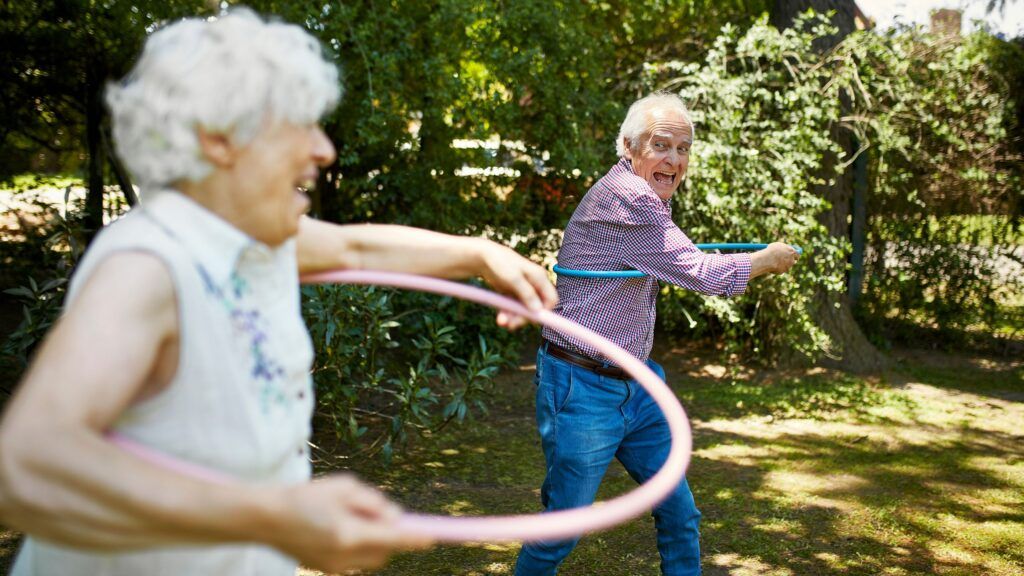
Resistance training preserves these functional capabilities. Studies in older adults show that strength training improves performance on activities of daily living, reduces disability risk, and helps maintain independence. Even people in their 80s and 90s can improve strength and function with appropriate training.
This isn’t about being able to bench press impressive weight or looking muscular. It’s about maintaining the strength necessary to live independently and do the things you want to do. That’s healthspan—quality of life, not just quantity of years.
Disease Prevention Beyond Metabolic and Bone Health
Strength training’s benefits extend beyond muscle, metabolism, and bone. It affects multiple systems and disease processes.
Cardiovascular disease risk decreases with resistance training. While aerobic exercise gets more attention for cardiovascular health, resistance training also improves cardiovascular outcomes. It reduces blood pressure, improves lipid profiles, and decreases cardiovascular mortality risk. The effect is complementary to aerobic exercise—doing both provides more benefit than either alone.
Cancer risk appears to be modestly reduced with higher muscle mass and regular resistance training. The mechanisms aren’t completely clear, but likely involve improved metabolic health, reduced inflammation, and hormonal effects. The association isn’t as strong as with other diseases, but it exists.
Cognitive function benefits from resistance training. Studies show that older adults who strength train maintain cognitive function better than sedentary peers. The effect is smaller than with aerobic exercise but still present. The mechanisms likely involve improved blood flow, reduced inflammation, and hormonal factors that support brain health.
Mental health improves with resistance training. Depression and anxiety symptoms decrease. Self-efficacy and confidence increase. Part of this is psychological—getting stronger feels good and builds confidence. Part is physiological through effects on neurotransmitters and hormones.
Inflammation decreases with regular resistance training despite the acute inflammatory response to each workout. Chronic low-grade inflammation drives most age-related diseases, so reducing it has broad benefits.
How to Start Strength Training
The good news is that effective strength training doesn’t require a gym membership, complicated equipment, or hours of time. You need to challenge your muscles with progressive resistance regularly. That’s it.
For complete beginners, bodyweight exercises provide sufficient stimulus initially. Squats, lunges, push-ups, rows using a table or TRX straps, planks—these exercises challenge major muscle groups without requiring equipment. Focus on learning proper movement patterns and building a foundation before adding external resistance.
As you get stronger, bodyweight exercises become too easy. At that point, you need to add resistance. This could be dumbbells, barbells, kettlebells, resistance bands, or weight machines. The specific tool matters less than the principle of progressive overload—gradually increasing resistance over time so your muscles continue adapting.
For most people, 2-3 strength training sessions per week hitting all major muscle groups is sufficient. Each session might be 30-45 minutes. You don’t need to spend hours in the gym. You need to challenge your muscles consistently with appropriate resistance.
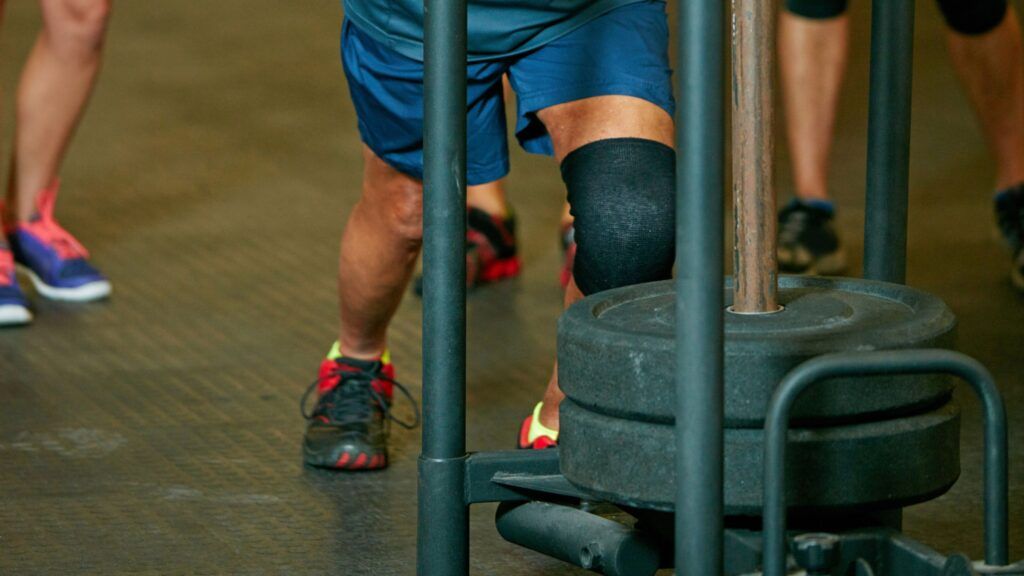
Focus on compound movements that work multiple muscle groups: squats, deadlifts, presses, rows, lunges. These movements build functional strength and are more time-efficient than isolation exercises. A simple program might be: squats, bench or overhead press, rows, and some core work done twice per week.
Progressive overload is critical. Each week or two, try to add a bit more weight, do another rep, or increase volume slightly. Your muscles adapt to the stress you place on them, but only if that stress continues to increase over time. If you’re lifting the same weights month after month without progression, you’re maintaining strength but not building it.
Proper form matters more than weight lifted. Learn correct movement patterns, control the weight through the full range of motion, and avoid ego lifting with weight you can’t control properly. Poor form leads to injury and reduces training effectiveness.
Recovery is part of the program. Muscles grow and strengthen during recovery, not during the workout itself. Sleep adequately, eat enough protein to support muscle growth, and allow at least 48 hours between training the same muscle groups intensely.
If you’re over 60, new to training, or have health concerns, working with a qualified trainer or physical therapist initially helps ensure you’re training safely and effectively. Many people in their 70s and 80s strength train successfully, but they need appropriate programming and proper form to avoid injury.
How Much Strength Do You Need
You don’t need to become a powerlifter or bodybuilder. You need sufficient strength to maintain function and independence as you age. What does that look like practically?
You should be able to get up from a chair without using your arms. You should be able to climb a flight of stairs without stopping. You should be able to carry groceries, pick up objects from the ground, and perform basic household tasks without difficulty. You should be able to catch yourself if you stumble rather than falling.
More specifically, grip strength is a surprisingly good overall marker. Low grip strength predicts disability and mortality. If you can’t open jars or maintain grip on objects, that’s a warning sign of broader strength deficits.
For lower body, you should be able to squat to at least parallel depth with control. You should be able to stand on one leg for at least 10 seconds without losing balance. You should be able to step up onto a standard height step without struggle.
These aren’t aggressive standards. They’re basic functional thresholds. If you can’t do these things comfortably now, you need to build strength. If you can do them now, you need to maintain or improve strength so you can still do them in 10, 20, 30 years.
Testing yourself periodically on functional movements provides feedback on whether your training is working. Are you maintaining or improving capacity? Or are you gradually losing strength despite thinking you’re staying active?
Common Excuses and Why They’re Wrong
“I’m too old to start strength training” is completely false. Studies show that people in their 80s and 90s can build muscle and strength with appropriate training. You’re never too old to benefit from resistance training. Starting at 70 is better than starting at 75, but starting at 75 is infinitely better than never starting.
“I don’t want to get bulky” isn’t a realistic concern for most people, especially women and older adults. Building significant muscle mass requires years of dedicated training with progressive overload and substantial protein intake. Casual resistance training 2-3 times per week won’t make you bulky—it will make you functionally stronger.
“I don’t have time” doesn’t hold up when effective strength training can be done in 30-45 minutes twice per week. That’s 90 minutes weekly to prevent disability and maintain independence as you age. You have time.
“Cardio is more important for health” is a false dichotomy. You need both. Cardio builds cardiovascular fitness. Strength training maintains muscle and bone. They serve different essential functions. Doing only cardio while neglecting strength training leaves you with good cardiovascular fitness but declining muscle mass and function.
“I’m afraid of getting injured” is a valid concern but solved with proper programming and form, not by avoiding resistance training entirely. The injury risk from strength training with appropriate progression and technique is low. The guaranteed consequences of not strength training—muscle loss, bone loss, functional decline—are far worse than the manageable injury risk from training properly.
The Bottom Line on Strength Training
Cardiovascular exercise gets more attention for health and longevity, but strength training is equally critical, particularly as you age. You can have excellent cardiovascular fitness but if you lose muscle mass and bone density, you’ll still experience functional decline and disability.
The people who maintain independence and capability into their 70s and 80s are almost always people who maintain muscle mass and strength. The people who become frail and dependent are usually people who lost significant muscle over decades of inactivity.
This isn’t genetic luck. It’s not inevitable aging. It’s the direct result of whether you use your muscles or let them atrophy.
Start now if you haven’t. If you’re 40, 50, 60, 70—it doesn’t matter. You can build strength and muscle at any age, and the benefits compound over time. Two sessions per week of resistance training focused on major movement patterns with progressive overload will maintain and likely build muscle.
That investment of 90 minutes weekly might be the difference between independent living and disability in your 70s and 80s. That’s not hyperbole—the evidence is clear. Strength training extends healthspan more effectively than almost any other intervention.
Your muscles are use-it-or-lose-it. Start using them.
Get Started with Strength Training at Preamble Health
At Preamble Health, we assess your baseline strength and body composition using DEXA scans to measure muscle mass precisely. Our Medicine 3.0 Executive Physical includes functional strength assessments and personalized exercise recommendations based on your current capacity and health goals.
We help you understand where you’re starting, what you need to maintain or build, and how to structure training effectively for longevity rather than just aesthetics or performance.
- Schedule a DEXA scan to measure your current muscle mass and track progress
- Learn about our Medicine 3.0 Executive Physical with comprehensive strength and body composition assessments
- Book a consultation to discuss exercise programming for longevity
- Read our complete DEXA scan guide for understanding body composition changes with training