Targeting Longevity and Wellness in Scottsdale: For health-conscious adults in Scottsdale, AZ – including Paradise Valley, North Phoenix, and Tempe – optimizing body composition and bone health is a smart strategy for longevity. Traditional metrics like weight and BMI only scratch the surface. A DEXA body composition scan (Dual-Energy X-ray Absorptiometry) offers a far deeper, data-driven look at your health. This hospital-grade imaging test measures your body fat, lean muscle mass, and bone density with clinical precision, all in one go. The result is a concierge-level diagnostic tool that can guide your wellness journey, whether you’re aiming to lose fat, gain muscle, or ensure strong bones as you age.
In this comprehensive guide, we’ll explain why a DEXA scan is considered the gold standard for body and bone health. We’ll compare DEXA vs. BMI for measuring body fat, show how DEXA scans help track weight loss and muscle gains, and explore their role in preventive health and athletic performance. You’ll also learn how often you should get a DEXA scan and discover the advanced health services offered by Preamble (Scottsdale’s preventative health clinic) – from full body composition analysis to VO2 Max and more – that can take your longevity plan to the next level. Let’s dive in!
Table of Contents
- What is a DEXA Scan and How Does It Work?
- DEXA Scan vs. BMI: Accurate Body Fat Testing
- Tracking Weight Loss and Muscle Gains with DEXA
- Bone Density Scans: Essential for Longevity
- DEXA Scans in Preventive Healthcare
- DEXA for Athletes and Performance Tracking
- How Often Should You Get a DEXA Scan?
- Taking the Next Step: DEXA and Advanced Health Services at Preamble
What is a DEXA Scan and How Does It Work?
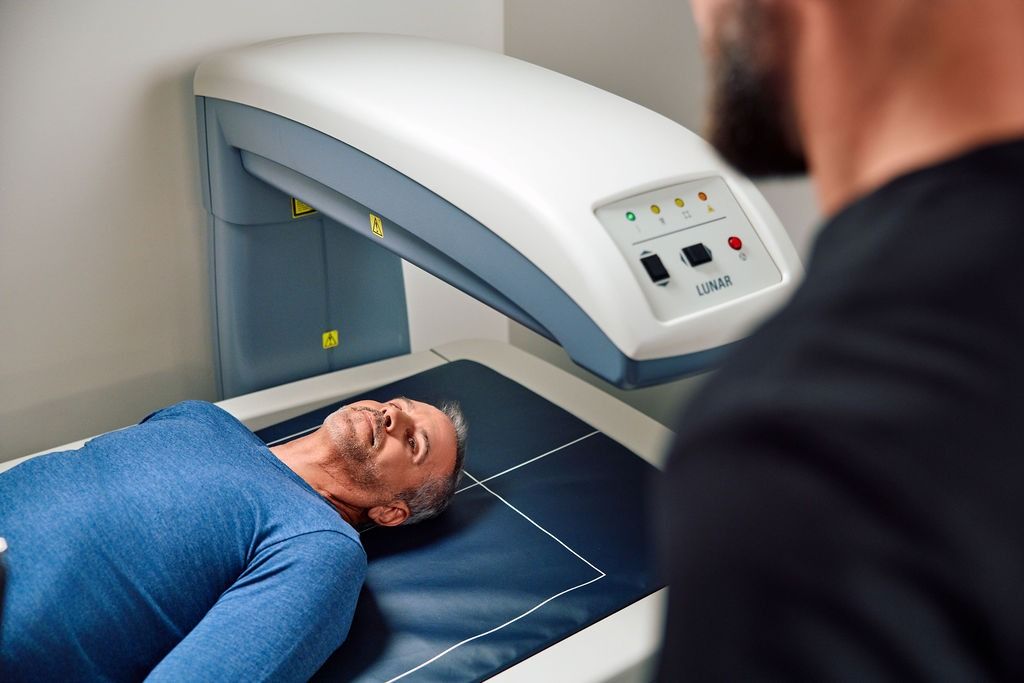
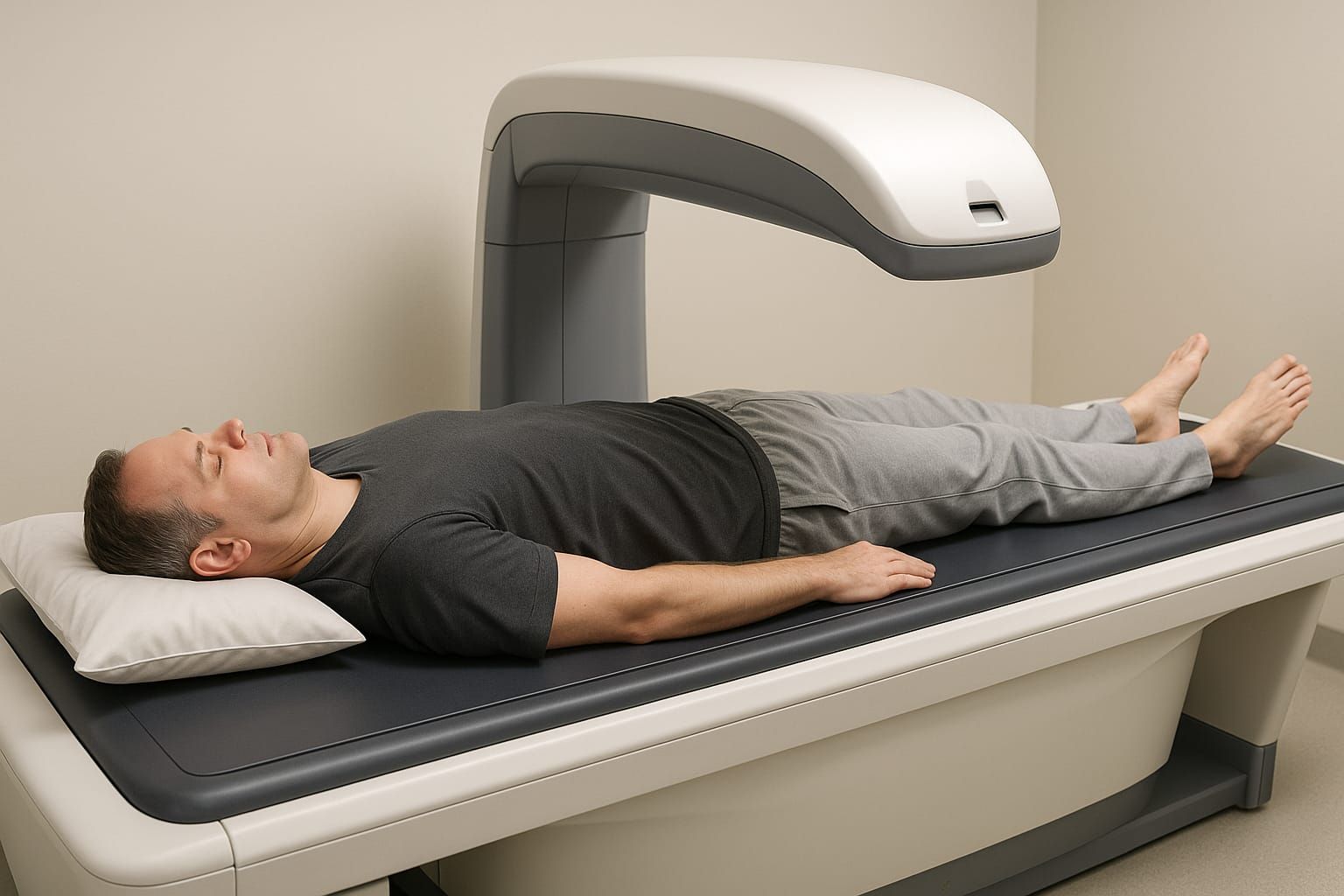
A DEXA scan (also known as DXA) is a quick, painless imaging test that uses very low-dose X-rays to measure your body’s composition. During a scan, you lie comfortably on an open table while a scanning arm passes over your body (as shown above). In about 5 to 10 minutes, it produces a detailed report on the makeup of your body – distinguishing between bone, lean tissue (muscle and organs), and fat tissue. Essentially, it’s an in-depth body scan that provides a complete snapshot of your body’s internal makeup, from your bone density to your fat distribution.
Originally developed to assess bone health, DEXA is the gold-standard for diagnosing osteoporosis because of its exceptional accuracy in measuring Bone Mineral Density (BMD). Today, it’s widely recognized as one of the most versatile health scans because it simultaneously evaluates body composition. A whole-body DEXA scan can offer detailed insights into fat mass, lean muscle mass, and bone content both in total and regionally. In other words, it breaks down exactly how much of your weight is fat vs. muscle vs. bone, and even shows these metrics for different parts of your body (arms, legs, trunk, etc.). This comprehensive capability is why DEXA is so valuable for preventive health monitoring – it’s like getting a total body composition scan and a bone density check in one exam.
How It Works: DEXA uses two low-energy X-ray beams at different frequencies. One is absorbed more by soft tissue and the other more by bone. By sensing the difference, the scanner’s software calculates the precise amount of bone, fat, and lean tissue present. The radiation exposure is extremely minimal – studies note that a DEXA scan’s dose is roughly equivalent to just 3 hours of natural background radiation (for comparison, a standard chest X-ray equals about 10 days’ worth). This means DEXA scans are very safe, and you can repeat them periodically without concern. The machine is open and non-claustrophobic, and you simply relax while it scans; there are no injections, no pain, and you remain fully clothed (just without metal like zippers or jewelry).
What Does a DEXA Measure? After the scan, you receive a multi-page report detailing your results. Key metrics typically include:
- Body Fat Percentage & Fat Mass: How much of your body weight is fat. (DEXA can even pinpoint visceral fat – the “deep” belly fat around organs – more on that later.)
- Lean Mass (Muscle) & Skeletal Muscle Mass: The weight of muscle and other lean tissues in your body. This is essentially a lean muscle mass scan, showing you how many pounds of muscle you carry and where.
- Bone Mineral Density & Bone Mass: The density of your bones (usually focused on spine and hips for diagnostic purposes) and total bone weight.
- Regional Composition: A breakdown of fat and muscle in each region of your body – arms, legs, trunk, android (abdomen), gynoid (hip) regions, etc. For example, you can see if your right arm has more muscle than your left, or how your torso fat compares to your leg fat.
- Visceral Fat Indicator: An estimate of visceral fat in the abdominal area (often reported as a volume or area). This is critical for assessing health risks tied to fat around the organs.
Each of these data points is far beyond what a normal scale or simple tape measure can tell you. Accuracy and precision are top-notch – research shows that DEXA scans are highly reproducible and accurate, with very little variation between scans. The technology is hospital-grade and FDA-approved, so you’re getting the same caliber of information used in medical research and clinical settings. In short, a DEXA scan provides a comprehensive, accurate, and actionable health assessment of your body’s makeup.
DEXA Scan vs. BMI: Accurate Body Fat Testing
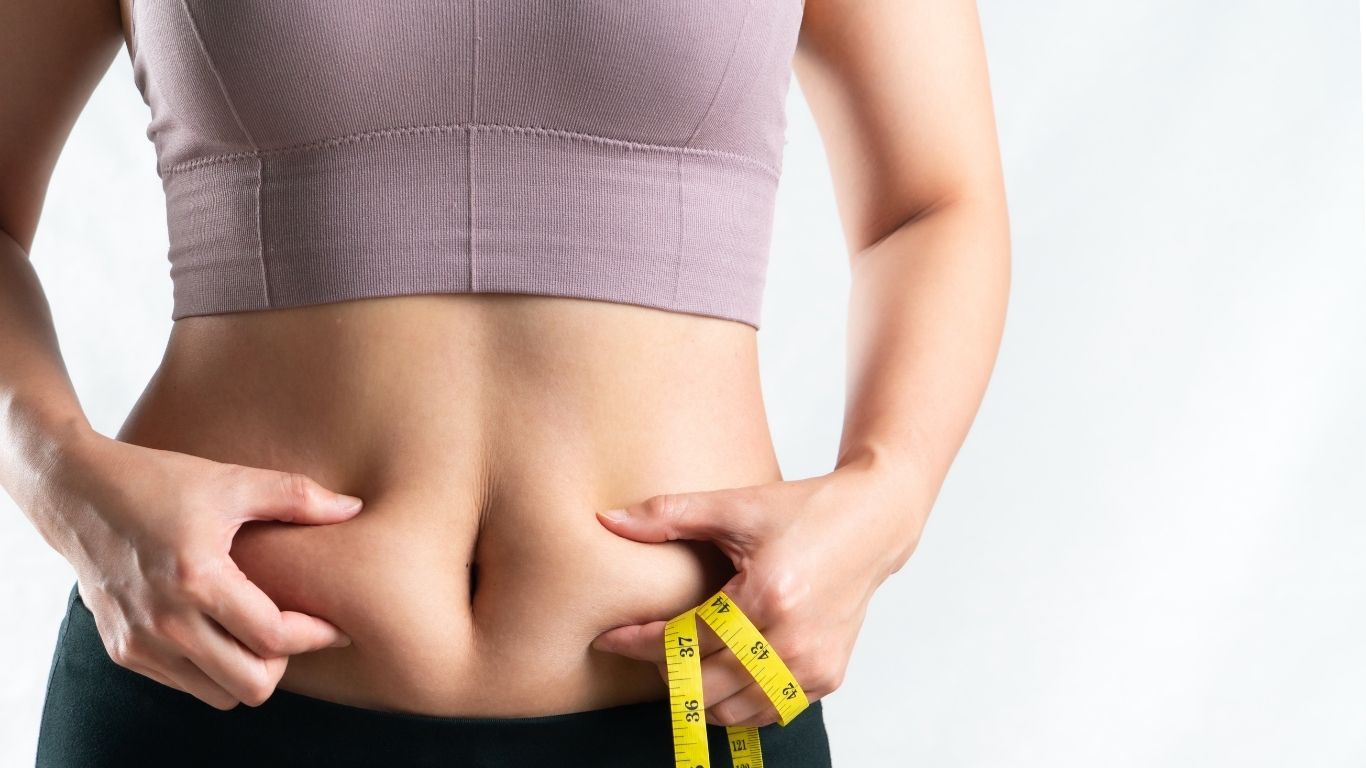
When it comes to measuring body fat and overall fitness, DEXA scan vs BMI is like night and day. BMI (Body Mass Index) is a simple calculation based on height and weight, and while it’s a quick screening tool, it often fails to accurately reflect body fat or health status. DEXA, on the other hand, directly measures what BMI only estimates, making it the far more accurate body fat test for individuals.
The Problem with BMI
BMI treats your body as if it were all one homogenous mass. It cannot distinguish fat from muscle or bone. This leads to major blind spots and misclassifications. For example, a very muscular athlete and a sedentary person might have the same BMI, but completely different body compositions – the athlete could have low body fat and high muscle, whereas the sedentary person might have high body fat and low muscle. According to research, BMI mislabels a significant number of people: one study found that BMI got it wrong for about 40.6% of participants when compared to body fat analysis by whole-body DEXA scans. In other words, reliance on BMI alone caused about 4 in 10 adults to be misclassified (either thinking they were fine when they had excess fat, or labeling them overweight/obese when their fat levels were actually healthy).
A specific example of BMI’s shortcomings is the phenomenon of “normal weight obesity” – individuals with a normal BMI but a high body fat percentage. A clinical study presented at a North American Menopause Society meeting showed that 18.5% of women with a normal BMI actually had excess body fat detectable on a DEXA scan. That’s nearly one in five “healthy weight” women who would be unaware of a potential fat-related health risk if only BMI was considered. This scenario is especially common in adults over 40, who may lose muscle (lowering their weight) but gain fat internally – BMI might stay in a normal range even as unhealthy fat accumulates. Conversely, many athletes and fit individuals have a BMI in the “overweight” range purely due to higher muscle mass; BMI would flag them, even though their actual body fat is low and healthy.
DEXA: The Gold Standard for Body Fat Measurement
Unlike BMI, a DEXA scan for body fat directly measures the percentage and amount of fat in your body. It doesn’t rely on averages or one-size-fits-all formulas – it scans you and reveals your personal body composition. Medical experts consider DEXA the gold standard for body composition analysis, owing to its superior accuracy and detail. In fact, new research confirms that DEXA is highly accurate compared with most other methods for determining body composition and is extremely useful for tracking changes over time. When you get a DEXA body composition scan, you eliminate the guesswork. You’ll know your exact body fat percentage, down to a fraction of a percent, and you’ll see how that fat is distributed (for example, DEXA can show if you carry more fat in the torso vs. the legs, which has health implications).
It’s also worth noting that DEXA outperforms other body fat tests like bioelectrical impedance scales (smart scales), skinfold calipers, or even hydrostatic weighing in convenience and consistency. Calipers and impedance devices have higher error margins and depend on hydration levels or the skill of the tester. Hydrostatic (underwater) weighing and Bod Pod are accurate but require special facilities and only give fat vs. lean data (no bone info, and no regional breakdown). DEXA provides a more comprehensive result with minimal hassle – just a quick scan. It is essentially a fat and muscle mass test done with medical imaging precision. As a result, DEXA scans are increasingly being used not just in hospitals but in gyms, sports facilities, and longevity clinics for anyone serious about accurate body fat testing.
In summary, if you truly want to know your body fat (and not be misled by a simplistic metric like BMI), a DEXA scan is the best choice. It directly measures what matters: how much fat you have and where it is, along with how much muscle you have to balance that fat. This kind of clarity is crucial for setting health goals and tracking progress – which brings us to how DEXA shines in weight management.
Tracking Weight Loss and Muscle Gains with DEXA
One of the most powerful uses of DEXA scans is to track changes in body composition over time. If you are on a weight loss program or muscle-building regimen, DEXA gives you concrete data on whether your plan is working – and in the right way. It answers questions like: Am I losing fat and not muscle? Am I gaining muscle mass? Is my body fat percentage going down? These are critical insights that a regular scale or even BMI cannot provide, but a DEXA scan can.
Beyond the Scale
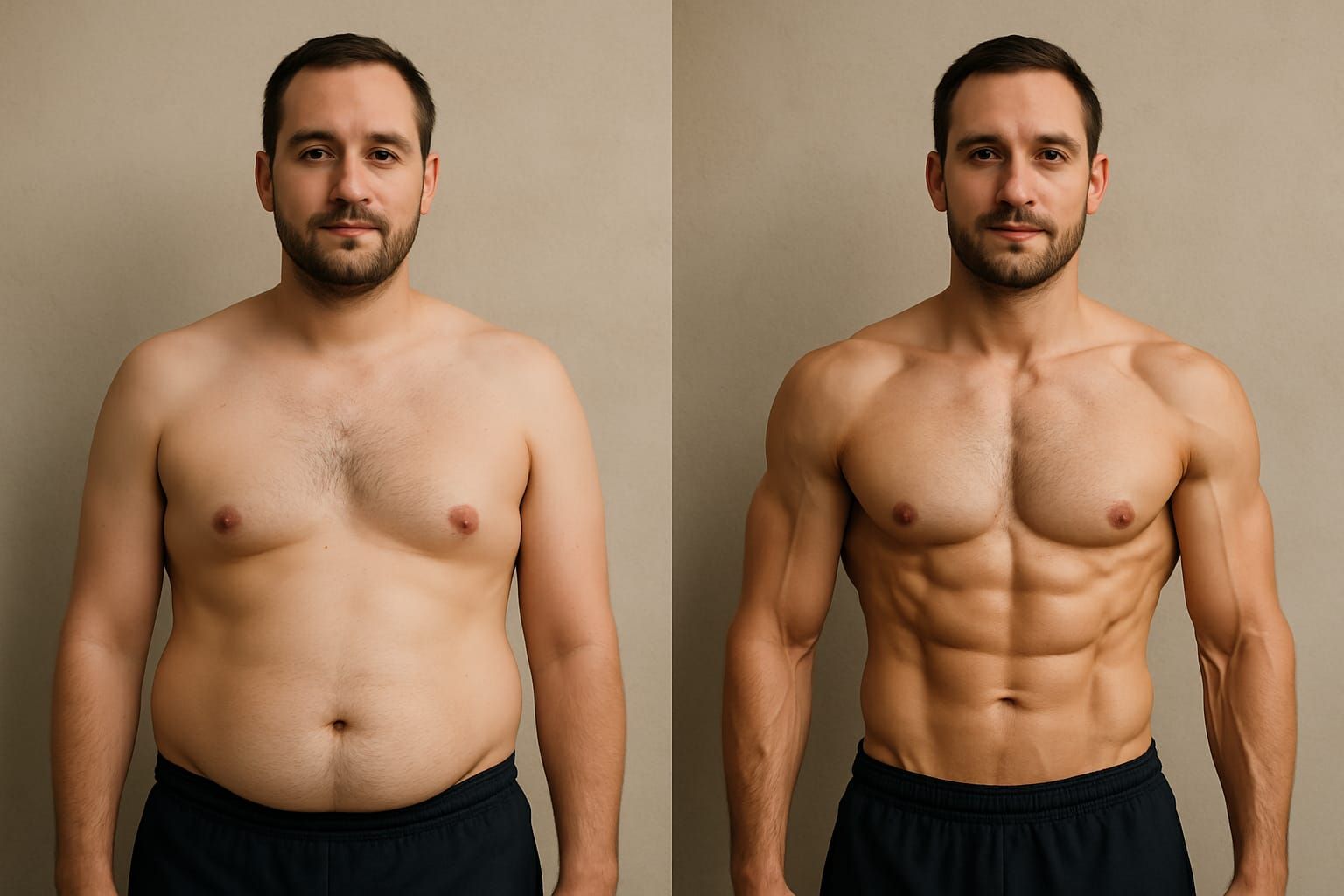
Consider a common scenario: you’ve been dieting and exercising for 2 months. You step on the scale and it hasn’t budged as much as you hoped, or maybe it’s even up a pound. Frustrating, right? But a DEXA body composition scan might reveal the exciting truth – perhaps you lost 5 pounds of fat and gained 4 pounds of muscle. The scale net change is only -1 lb, but internally you’ve dramatically improved your muscle-to-fat ratio. Without DEXA, you might mistakenly think your efforts were in vain. With DEXA, you get validation of real progress. Conversely, if you’re losing weight rapidly, DEXA can warn you if you’re shedding muscle along with fat, which is a sign to adjust your diet or training (since preserving lean mass is important for health and metabolism).
Many nutrition coaches and weight loss programs now incorporate periodic DEXA scans for this reason. In fact, if you’ve ever searched for a body fat percentage test near me or looked for ways to quantitatively track your fitness progress, you’re exactly the kind of person who can benefit from DEXA. It’s common for individuals to get a baseline DEXA scan at the start of a weight loss or fitness program, and then follow up every few months. This allows for fat and muscle mass testing at regular intervals to see where the weight is coming off (or going on). DEXA scans tell a more accurate story than BMI or a scale in terms of progress in muscle development and fat loss. Used incrementally (for example, before and after a 3-month training cycle), DEXA can precisely quantify changes: “You lost 3.2% body fat and gained 2.5 lbs of lean mass,” or “Your visceral fat area decreased by 20 cm²,” and so on.
Actionable Insights
The detailed information from a DEXA scan helps tailor your health program moving forward. Suppose your DEXA results show you lost 10 pounds but also lost 2 pounds of muscle – armed with that knowledge, your coach or doctor might increase your protein intake or add resistance training to your routine to protect your muscle mass. Or if the scan shows your overall weight didn’t change much but your body fat dropped significantly, you know you’re on the right track (maybe trading fat for muscle, which is excellent). This ability to differentiate fat loss vs. muscle loss is crucial for safe and effective weight management. It’s also extremely motivating – many people find that seeing their body fat percentage drop or lean mass rise on a DEXA report inspires them to stick with their program more than any number on a scale could.
Another useful metric from DEXA is the visceral fat measurement. If your visceral fat (the fat around your organs) was high and you implement dietary changes, a follow-up DEXA can confirm a reduction in visceral fat. This is a big win for your health, even if your total weight change is modest. Likewise, DEXA can track improvements in specific areas. Want to know if those squats and lunges are building leg muscle? DEXA will show if your leg lean mass is increasing. Curious if your new cardio routine is trimming belly fat? DEXA’s regional fat analysis will tell you exactly how much fat you lost from your abdominal region.
In short, a DEXA scan makes your weight loss or fitness journey quantifiable. It provides a level of feedback that was once available only to elite athletes or research subjects. Now, with services like Preamble in Scottsdale offering DEXA scans, anyone can get an in-depth body scan nearby to monitor their progress objectively. No more relying solely on the mirror or the scale – you’ll have the data to prove you’re getting healthier, stronger, and leaner, which is incredibly empowering.
Used in Structured Programs
Many structured weight loss and muscle-building programs incorporate DEXA scans as checkpoints. For example, a 6-month medical weight loss program might include a DEXA at the start, middle, and end to ensure the patient is losing mostly fat. Fitness challenges or “body transformation” programs often use DEXA as the before-and-after measurement instead of just weight or tape measurements, because it’s far more telling. If you’re an individual embarking on your own health improvement plan, you can do the same: start with a baseline total body composition scan, then re-scan after a few months of effort. The changes (or lack thereof) will guide you – essentially, the DEXA serves as a report card for your diet and exercise regimen.
Finally, DEXA tracking isn’t only for those losing weight – it’s just as useful for those trying to gain weight in a healthy way (say, adding muscle mass). It will confirm that any weight you put on is coming from muscle growth rather than fat. It’s truly a two-way tool.
To sum up, tracking progress with DEXA takes the guesswork out of weight management. It ensures that what you’re losing is the right kind of weight (fat, not muscle), and what you’re gaining is the right kind of tissue (muscle, not fat). With DEXA’s precise measurements, you can fine-tune your program for better results, making it an invaluable companion on any weight loss, fitness, or muscle-building journey.
Bone Density Scans: Essential for Longevity
When we think about longevity and healthy aging, we often focus on heart health, brain health, or metabolism. But there’s another pillar of longevity that can’t be overlooked: bone health. Your skeleton is literally the framework that keeps you mobile and independent. As you get into your 50s, 60s, and beyond, maintaining strong bones can mean the difference between an active lifestyle and serious disability. This is why bone density scans (DEXA scans of the spine, hip, etc.) are essential for longevity – they can catch weakening bones early, helping you prevent fractures and stay strong for life.
The Risk of Osteoporosis
Osteoporosis is a condition where bones become porous, brittle, and prone to fractures. It’s extremely common as people age, especially in women after menopause, but men are not immune. Often called the “silent disease,” osteoporosis typically has no symptoms until a fracture occurs. By then, significant bone loss has already happened. Consider these facts: about one in two women, and up to one in four men, over age 50 will break a bone due to osteoporosis. That’s a huge portion of the population at risk. These fractures (often in the hip, wrist, or spine) are not just painful – they can be life-altering. Hip fractures in particular carry a high risk of complications. It’s reported that hip fractures cause significant morbidity, with mortality rates of about 20–24% in the first year after a hip fracture for older adults. In other words, roughly one in five people who suffer a hip fracture do not survive the year, and many who do survive never regain their previous level of independence. In fact, about 40% of hip fracture patients cannot walk independently again and 60% require assistance with daily activities a year later. These are sobering statistics – a fracture can truly derail your longevity goals.
The good news is that osteoporosis and low bone density (osteopenia) can be detected early with a DEXA bone density scan. DEXA is the gold standard for measuring BMD (Bone Mineral Density) in areas like the lumbar spine and femur (hip). It’s painless and quick, just like the body composition scan, but focused on the areas most prone to fracture. The scan generates a T-score and Z-score that tell you how your bone density compares to a young healthy reference and to peers your age. This allows doctors to diagnose osteoporosis or its precursor, osteopenia, well before any fracture happens.
Longevity Boost Through Early Detection
Why is this so critical for longevity? Because if you know you have low bone density early, you can take steps to strengthen your bones and prevent fractures down the road. These steps might include lifestyle changes like weight-bearing exercise and nutrition (calcium, vitamin D, possibly supplements), as well as medications if appropriate (such as bisphosphonates or newer osteoporosis drugs that greatly reduce fracture risk). Essentially, a bone DEXA scan can give you a 5-10 year head start on combating osteoporosis before it causes a break. This is preventive healthcare at its finest.
Even if you haven’t yet reached the typical screening age (Medicare generally covers bone density tests at 65 for women, 70 for men, or earlier for high-risk), if you’re in your 40s or 50s and focused on prevention, you might choose to get a baseline DEXA now. Especially if you have risk factors – such as a family history of osteoporosis, a thin or small frame, history of smoking, heavy alcohol use, or steroid medication use – an earlier scan could be very insightful. It will either reassure you that your bones are in great shape or alert you to take action to improve them. Paradise Valley and Scottsdale residents in particular, who enjoy active lifestyles (think hiking, tennis, golf well into the golden years), have a lot to gain by ensuring their bones can keep up with their ambitions.
Bone Density and Quality of Life
We’ve discussed mortality, but even aside from life-or-death stats, bone health is a huge quality-of-life factor. Strong bones mean you can travel, play with grandkids, and remain active without fear. Weak bones mean you might have to restrict activities for fear of injury, and a serious fracture can lead to long rehabilitation or permanent mobility issues. In terms of “healthspan” (living not just longer but healthier), maintaining bone density is paramount. That’s why bone density analysis is a key component of longevity programs. For example, Preamble offers a dedicated Full Bone Density Analysis DEXA that scans the spine, hips, and forearms, along with a FRAX score calculation. The FRAX score is a tool that uses your bone density and risk factors to estimate your 10-year probability of a fracture. This kind of information helps you and your physician make informed decisions about whether you should start treatments or aggressively pursue bone-strengthening strategies.
To illustrate the impact: imagine you get a bone scan at age 55 and find out you have osteopenia (lower than normal bone density). That knowledge enables you to double-down on preventive measures for the next decade – maybe you start a weightlifting program, improve your calcium/vitamin D intake, and get follow-up scans every 1-2 years to monitor. By age 65, you might avoid ever crossing into osteoporosis territory or at least significantly slow the bone loss. You may never experience the fractures that would have occurred had you remained unaware. Thus, a simple DEXA scan in midlife can translate into many extra years of mobility and vitality.
In summary, bone density scans are essential for longevity because knowledge is power. With a DEXA scan, you can catch weakening bones early, take action to strengthen them, and greatly reduce the chance of fractures that shorten lives and hamper independence. For anyone 40+ aiming for a long, healthy life (which likely includes you if you’re reading this), a bone and body scan near you in Scottsdale is one of the smartest preventive check-ups you can do. It addresses a crucial aspect of aging that is often overlooked until it’s too late. Don’t wait for a fracture to find out you have weak bones – find out now and fortify your foundation for the future.
DEXA Scans in Preventive Healthcare
Preventive, data-driven healthcare (sometimes called Medicine 3.0) is all about identifying risks early and measuring the things that matter before they become problems. DEXA scans fit perfectly into this philosophy. They provide actionable health metrics that allow you to make informed changes to your lifestyle or treatment plan well in advance of any serious illness. Let’s explore the preventive healthcare benefits of DEXA scans for both body and bone:
- Identifying Unhealthy Fat Distribution: It’s not just about how much you weigh, but where you carry weight. DEXA scans are unique in their ability to measure visceral fat, the fat surrounding your internal organs. High visceral fat is a known risk factor for metabolic diseases. In fact, the DEXA exam’s assessment of visceral fat can help predict risk for conditions like type 2 diabetes and cardiovascular disease. This is incredibly important for prevention. You might appear “thin” on the outside yet have a dangerous amount of hidden visceral fat (remember the term “skinny fat”?). A DEXA scan will reveal this. Armed with that knowledge, you can take proactive steps – for instance, changing your diet, reducing sugar and processed carbs, increasing exercise – to specifically target visceral fat reduction.
- Preventive benefit: Catching high visceral fat early, before it manifests as diabetes or heart disease, could literally save your life. It’s a lot easier to work on reducing visceral fat in your 40s or 50s than to manage diabetes in your 60s. DEXA makes the invisible visible, giving you a chance to act.
- Preventive benefit: Catching high visceral fat early, before it manifests as diabetes or heart disease, could literally save your life. It’s a lot easier to work on reducing visceral fat in your 40s or 50s than to manage diabetes in your 60s. DEXA makes the invisible visible, giving you a chance to act.
- Spotting Muscle Loss (Sarcopenia) Early: As we age, muscle mass tends to decline (a process called sarcopenia). Loss of muscle isn’t just a cosmetic or strength issue – it can slow your metabolism, affect balance, and increase frailty. A series of DEXA scans over the years can highlight a downward trend in your lean mass. If you see your muscle mass is decreasing in your 50s, for example, you can proactively start resistance training or increase protein intake to counteract it. On a shorter timescale, if you’re recovering from an illness or injury, DEXA can ensure you’re rebuilding lost muscle. Some preventive health programs even use DEXA to check muscle status in otherwise healthy older adults, as part of a frailty prevention strategy.
- Preventive benefit: Maintaining muscle mass is linked to better metabolic health and lower overall mortality risk. DEXA gives you a quantifiable handle on this aspect of health, much like checking your cholesterol or blood pressure, so you can keep it in a healthy range.
- Preventive benefit: Maintaining muscle mass is linked to better metabolic health and lower overall mortality risk. DEXA gives you a quantifiable handle on this aspect of health, much like checking your cholesterol or blood pressure, so you can keep it in a healthy range.
- Monitoring Weight Loss in Healthier Ways: For those actively trying to lose weight as a preventive measure (to avoid obesity-related issues), DEXA provides quality control. It ensures your weight loss is fat loss. This prevents the scenario of someone dieting in an unhealthy way that causes muscle and bone loss – which could ultimately worsen health. By doing periodic DEXA scans, a preventive health coach can adjust your plan to keep it balanced.
- Preventive benefit: You preserve vital lean tissue and bone density while losing weight, avoiding the common pitfalls of crash diets. Essentially, DEXA helps align weight loss with long-term health.
- Preventive benefit: You preserve vital lean tissue and bone density while losing weight, avoiding the common pitfalls of crash diets. Essentially, DEXA helps align weight loss with long-term health.
- Guiding Medical Decisions: The data from DEXA scans can guide preventive medical interventions. For example, if a postmenopausal woman’s bone density DEXA shows she’s quickly losing bone (even if she hasn’t hit osteoporosis yet), a doctor might decide to start bone-preserving medication earlier rather than later, truly preventing a fracture instead of treating one. Or if a patient has significant visceral fat and moderately elevated blood sugar, a physician might be more aggressive in recommending lifestyle changes or even medications to prevent progression to diabetes.
- Preventive benefit: DEXA adds an extra layer of risk stratification beyond standard blood tests and vital signs, allowing more personalized and timely interventions.
- Preventive benefit: DEXA adds an extra layer of risk stratification beyond standard blood tests and vital signs, allowing more personalized and timely interventions.
- Baseline for Executive Health Programs: Many executive physicals and concierge medicine programs (like Preamble’s Medicine 3.0 Executive Physical) include a DEXA scan as part of the baseline evaluation. The idea is to gather as much information as possible about your current health status. A DEXA scan establishes your baseline body composition and bone health. With that baseline, future changes can be detected. For instance, if next year’s scan shows a rise in body fat percentage or a drop in bone density, that can trigger a discussion about what changed in your life and how to address it.
- Preventive benefit: Year-over-year comparisons can catch subtle negative trends in body composition that might correlate with emerging health issues (like creeping weight gain, loss of muscle due to a more sedentary job, etc.). You can then correct course before those trends lead to disease.
- Preventive benefit: Year-over-year comparisons can catch subtle negative trends in body composition that might correlate with emerging health issues (like creeping weight gain, loss of muscle due to a more sedentary job, etc.). You can then correct course before those trends lead to disease.
- Lifestyle Validation and Motivation: On the flip side, when you adopt a healthier lifestyle, DEXA scans can validate the improvements internally. Seeing your visceral fat go down or your bone density improve slightly after a year of weight training is powerful positive reinforcement. It motivates you to continue those healthy behaviors – a key aspect of prevention is sticking with good habits, and data can help with adherence.
In essence, DEXA scans turn various aspects of your health into measurable data points that you can track and improve. They add scientific rigor to preventive health in a way that simply wasn’t accessible to individuals until recent years. Instead of guessing if your new diet is improving your health, or assuming your bones are fine because you feel fine, you can know for sure.
Moreover, the concierge-style preventive care offered at places like Preamble leverages DEXA results to craft personalized wellness plans. For example, if your DEXA shows high visceral fat and borderline blood sugar, your plan might focus on a tailored nutrition program to target visceral fat, combined with high-intensity interval training (proven to reduce abdominal fat) – and then a repeat DEXA and labs in 6 months to gauge success. This is precision preventive medicine in action.
Finally, consider the affordability and accessibility: DEXA scans are relatively affordable (often around $100-$150 for a body comp scan, which is a small investment for the wealth of information gained) and are available near you in Scottsdale without needing a specialist referral. You can book a scan at a facility like Preamble and get your results in the same visit. It’s a simple step with a big preventive payoff.
In summary, DEXA scans enable proactive healthcare. They help identify silent risk factors (like hidden fat or bone loss) early, inform targeted interventions, and verify that your efforts to stay healthy are actually working. Incorporating a DEXA scan into your preventive health routine – say, annually or biannually – is a wise move for anyone focused on longevity and wellness optimization.
DEXA for Athletes and Performance Tracking
Athletes and avid fitness enthusiasts are always looking for an edge in performance and training. Precise data can make all the difference in fine-tuning one’s regimen. That’s why DEXA scans for athletes have become increasingly popular – they deliver granular insights into an athlete’s body that can inform training, nutrition, and recovery strategies in ways traditional measures cannot.
For athletes, body composition is often directly tied to performance. Sprinters, for example, want a high power-to-weight ratio (more muscle, less fat). Endurance runners benefit from being lean but also need to ensure they’re not losing too much muscle. Strength athletes (like football players or throwers) want to maximize muscle mass while keeping unnecessary fat low. A DEXA scan provides the exact breakdown they need to strike these balances: it tells them their body fat percentage, lean mass, and even breaks it down by region.

One big advantage for athletes is the regional analysis. The DEXA report shows the amount of fat and lean tissue in each body part – each arm, each leg, the torso, etc. This is incredibly useful for identifying muscle asymmetries or imbalances. For instance, if an athlete’s right leg shows significantly less lean mass than the left, that could indicate a strength imbalance that might affect performance or injury risk. Dr. John Shepherd of UCSF Radiology notes, “the DXA report shows the amount of fat and lean tissue in each body part, such as the right arm or left leg — information that can be helpful for athletes to see if an injured limb is regaining muscle”. In practical terms, a runner coming back from a left leg stress fracture can use DEXA scans to track muscle return in that leg and ensure it matches the right leg again, confirming full rehabilitation. Similarly, a baseball pitcher could track muscle development in his pitching arm vs. non-pitching arm.
Athletes also benefit from correlating body composition data with other performance metrics. For example, VO2 Max testing (pictured above) is often used to measure cardiovascular fitness (aerobic capacity). At Preamble, athletes can do a VO2 max test alongside their DEXA scan to get a comprehensive picture of fitness. The VO2 test reveals endurance and oxygen uptake efficiency, while the DEXA scan ensures the athlete’s muscle-to-fat ratio is optimized for that endurance. Frequent scans – sometimes every few months – can help fine-tune training cycles. An endurance athlete might do a DEXA scan in the off-season and again after a heavy training block to ensure they didn’t lose muscle during intense mileage. A bodybuilder or physique athlete might do scans during a cutting phase to ensure they are losing mostly fat and minimal muscle as they drop weight for competition.
Performance Optimization
For competitive athletes, small changes can yield significant performance differences. Knowing exactly how much muscle is in your quads versus how much fat is in your midsection can guide targeted interventions. If a cyclist sees they put on a bit of fat over the winter, a DEXA scan quantifies it and they can tailor their diet to lose a few pounds of fat before race season, confident they’re hitting their race-body goals. If a CrossFit athlete wants to move up a weight class, DEXA can guide how much muscle they need to gain to compete at the next level and track that progress precisely. Essentially, DEXA allows athletes to periodize and evaluate their training in terms of body composition outcomes – something that was previously a lot of guesswork.
Team and Collegiate Use
It’s worth noting that many professional and collegiate sports programs use DEXA for their athletes now. In an international survey by the IOC’s Medical Commission, 38% of groups assessing body composition in athletes used DEXA – second only to traditional skinfold calipers. The reason is the wealth of information DEXA provides and its reliability. Unlike calipers, DEXA doesn’t depend on the measurer’s skill and can assess central fat (like visceral fat) which calipers cannot. Teams use it to ensure their players are in peak condition; for example, an NFL team might set body fat percentage targets for each position and use DEXA to verify players meet them in training camp.
Tracking Athletic Progress
Athletes are known to be data-driven. Many keep training logs of their lifts, running times, heart rates, etc. DEXA adds another crucial log: body composition over time. An athlete can look back and say, “When I ran my personal best marathon, I was at 12% body fat and 130 lb of lean mass. I’m currently at 15% and 125 lb lean – time to focus on strength.” It provides evidence-based feedback. Over a career, an athlete can adapt their training as their body changes with age, using DEXA data to perhaps adjust from pure muscle-building to maintenance and injury prevention focus.
Relevance for the Everyday Athlete
Even if you’re not a pro, if you’re someone who takes your fitness seriously – maybe you compete in local triathlons, or you’re a 45-year-old who loves doing Masters CrossFit competitions – DEXA can benefit you too. It gives you the same elite insight into your body. For example, a recreational marathoner in Scottsdale might get a DEXA scan to set a baseline, then, after a season of training and racing, get another to see if their rigorous training caused any muscle loss or if they achieved the lean physique they aimed for. If not, they could incorporate more strength training next season. Avid gym-goers can use DEXA to settle debates like “did that bulk add muscle or just fat?” with actual numbers.
In Scottsdale’s active community, we have everyone from golfers and tennis players to hikers and bodybuilders who can leverage DEXA. It’s an objective way to ensure your body is as ready as possible for the demands of your sport or activity. Plus, combining it with other performance tests (as available at Preamble) like VO2 Max, lactate threshold, or Resting Metabolic Rate testing can give a 360-degree view of one’s fitness.
To conclude this section, DEXA scans offer athletes a precision tool for performance enhancement. By knowing their body composition in detail, athletes can optimize their training, avoid pitfalls like muscle imbalances or unwanted weight gain, and track their progress season to season. It’s no surprise that what started as a clinical tool for bone health is now a secret weapon in sports science. If you’re serious about your athletic performance, a DEXA scan might be one of the best analyses you invest in.
How Often Should You Get a DEXA Scan?
After learning about all the benefits of DEXA scans, a practical question arises: How often should I be doing this test? The answer depends on your individual goals, health status, and how you’re using the information, but we can outline some general guidelines.
For General Health Monitoring
If you’re using DEXA as part of your routine preventive health check-up (and not actively trying to change your body composition rapidly), an annual DEXA scan is a great frequency. Checking once a year allows you to observe trends over time without over-testing. For example, you might do it around the same time as your yearly physical. Many physicians recommend bone density scans every 1-2 years for older adults; with a full DEXA, you’d get bone and body comp data in one appointment. Annual scans will show if you’re gradually gaining fat, losing muscle, or losing bone with age, so you can respond accordingly. If everything is holding steady and looking good, you might stretch it to every 2 years. But a year is a nice interval because changes in muscle and fat of a few percent per year can be significant and worth catching.
For Weight Loss or Muscle Gain Programs
If you are in the middle of a weight loss journey or a muscle-building phase, you’ll want to check more frequently to adjust your program. A good rule of thumb is about every 3 months (12 weeks) for these scenarios. Experts often suggest waiting at least 8-12 weeks to see meaningful changes in body composition. In fact, sports medicine professionals note that follow-up scans are ideally done every 3–6 months for body composition purposes. Three months is enough time that, if you’ve been consistent with diet and exercise, you will have detectable changes in fat and muscle. Some very rigorous weight loss programs might even do monthly scans (especially if the client is losing weight very fast or if they just find the data motivating). Monthly could be appropriate for, say, the first few months of a major weight drop, or for an athlete in a short-cutting phase preparing for an event. However, for most people, monthly might be overkill; changes might be small and within normal fluctuation if the time frame is too short.
A compromise approach some coaches use is an initial follow-up at 4 weeks (to ensure early changes are on track, mostly for motivation), then subsequent ones at 3-month intervals. If budget is a concern, stick to the 3-month or quarterly scans. By the end of the year, you’d have four data points to show your progress.
For Athletes and High-Performance Tracking
Athletes in heavy training might get scans more frequently in certain periods. For example, a bodybuilder might do one at the start of a contest prep and one near the end (say, a 12-week span) to verify fat loss while maintaining muscle. An athlete recovering from injury might do one at baseline, then at 2 months and 4 months to ensure muscle is coming back. Some professional athletes do DEXA at the start and end of their season. But generally, even for athletes, every 2-3 months is sufficient unless there’s a specific reason for more frequent monitoring. Very frequent scans (like every few weeks) don’t yield much new insight because bodies typically don’t change drastically in such short time without extreme measures.
For Bone Density Checks
Bone density changes slowly. If you’re solely tracking bone density (for example, someone on osteoporosis medication checking if it’s working), guidelines often say every 1-2 years for repeat DEXA scans on bones. There’s usually no benefit in scanning bone density more often than annually, because the changes will be minimal over a shorter period, except in special cases (like someone on high-dose steroids that weaken bone might do every 6 months to monitor). For most people, a bone density re-scan every two years is standard if the initial scan was normal. If osteopenia is found, doctors might do every 1-2 years to watch it. If on treatment for osteoporosis, sometimes a scan after 1 year of therapy to ensure no further loss. So, bone-wise, think in terms of 12-24 months intervals.

Combining with Health Milestones
It can also be useful to align DEXA scans with other health milestones. For example, if you get an executive physical or a full blood workup every year, do the DEXA at the same time to correlate the data. If you embark on a new program (keto diet, cross-training regimen, etc.), consider a DEXA before you start and then another a few months in to objectively evaluate the program’s impact.
Radiation Concerns and Safety
One reason people ask about frequency is due to radiation exposure. As mentioned earlier, the radiation from DEXA is extremely low – comparable to just a few hours of normal background radiation around us. To put it in perspective, you get more radiation flying cross-country on an airplane than from a DEXA scan. So from a safety standpoint, doing a few DEXA scans a year is not an issue for the vast majority of people. The only exception is pregnancy: if you are pregnant or might be, you should avoid DEXA scans (as with any X-ray) and wait until after delivery. Also, most DEXA machines have a weight limit (often around 300-350 lbs) and a size limitation (for very tall or large individuals) – so extremely high-BMI individuals might need special arrangements or a facility with a suitable machine. But for frequency, as long as you stick to something like monthly or less, you’re well within safe exposure limits.
To recap recommended frequencies in a simplified way:
- General wellness (longevity focus, no major changes expected): every 12 months (annual).
- Active weight loss or muscle gain program: every 3 months (quarterly) is ideal; as often as every 1-2 months if you desire close monitoring, but at least 3 months to see solid changes.
- Athletic training/season tracking: 2-4 times per year (e.g., pre-season, mid-season, post-season, off-season).
- Bone density monitoring: every 1-2 years (unless advised otherwise by your doctor).
Ultimately, your healthcare provider or coach can help determine the best interval based on your personal situation. If a significant intervention is made (e.g., you start a new medication for osteoporosis or a new diet plan), a scan sooner to gauge its effect might be warranted. If you’re just maintaining and everything is steady, you can go longer between scans.
Listening to your body is important, but having data is even better. By scheduling DEXA scans at appropriate intervals, you ensure that no major changes in your body’s composition or bone health sneak up on you. It’s like setting checkpoints on the road to your health goals. Most importantly, whatever interval you choose, be consistent – doing scans at similar times of year or under similar conditions (e.g., always hydrated, similar time of day) will make the comparisons more accurate.
Taking the Next Step: DEXA and Advanced Health Services at Preamble

If you’re ready to translate all this knowledge into action, and you live in Scottsdale or the surrounding area, Preamble offers a convenient and professional way to get your DEXA scans and much more. Preamble is a preventative health and longevity clinic in North Scottsdale that provides hospital-grade diagnostics with a concierge touch. Not only can you get a state-of-the-art DEXA scan for both body composition and bone density, but you can also access a suite of other advanced tests to round out your health assessment – all in one place, under the guidance of experts who understand performance and longevity.
At Preamble (Scottsdale, AZ), the following services are available to help you take control of your health:
- Full Body Composition DEXA Scan – $149: A comprehensive DEXA scan that precisely measures your body fat percentage, visceral fat, lean muscle mass, and bone composition. You’ll receive a detailed report breaking down your fat and muscle distribution, so you know exactly where you stand. (This is the ultimate “fat and lean muscle mass scan” for anyone looking to analyze or track their body composition.)
- Full Bone Density Analysis (DEXA) – $149: A dedicated bone density scan focusing on critical areas like your spine, hips, and forearm. This includes an evaluation of your bone mineral density and a FRAX score (which estimates your 10-year fracture risk). It’s an essential test for longevity to detect osteoporosis or osteopenia early and help prevent fractures.
- DEXA Combo (Body + Bone) – $249: Why choose one when you can do both? This combo package includes both the full body composition scan and the full bone density analysis in the same appointment, at a bundled discount. You’ll walk out with a complete picture of your body and bone health.
- VO2 Max Testing: For those interested in cardiovascular fitness and performance, Preamble offers VO2 max tests. The Standard VO2 Max test ($229) will determine your maximal oxygen uptake – the gold standard metric for aerobic fitness and endurance. There’s also a Ramp Test + VO2 Max ($299) option, which is a more extended protocol that gradually increases intensity to pinpoint your thresholds. For athletes or even weekend warriors, these tests pair wonderfully with DEXA scans, as they assess a different dimension of fitness (heart and lung efficiency) while DEXA assesses body composition. (There’s even a Lactate Testing add-on ($129) available, which can measure your lactic acid levels during exercise – great for endurance training insights.)
- RMR & RER Testing – $149: Preamble can measure your Resting Metabolic Rate (RMR) and Respiratory Exchange Ratio (RER) through a specialized test. RMR tells you how many calories your body burns at rest – invaluable for crafting a nutrition plan, especially if weight loss or gain is a goal. RER gives insight into what mix of fuels (fat vs. carbs) your body is burning at rest. This test is $149 standalone, but only $99 if bundled with another service. Combining RMR testing with a DEXA scan is a powerful way to personalize your diet: you learn your calorie needs and see your body composition, so you can tailor your intake to suit your metabolism and body goals.
- “Medicine 3.0” Executive Physical – $2,500: This is the ultimate proactive health package. The Medicine 3.0 Executive Physical is a comprehensive head-to-toe evaluation designed for busy executives, athletes, or anyone who wants a thorough deep dive into their health. It includes an extensive panel of diagnostics – typically blood work, advanced cardiovascular screening, hormone analysis, DEXA scans, VO2 max, RMR, and more – all interpreted by a physician with expertise in preventative and longevity medicine. You also get a personalized health intelligence report and a physician-led plan of action. It’s like an annual health intensive that maps out your current health status in detail and provides a roadmap to optimize it. This kind of exam embodies the next-generation approach to healthcare: preventive, data-rich, and tailored to you.
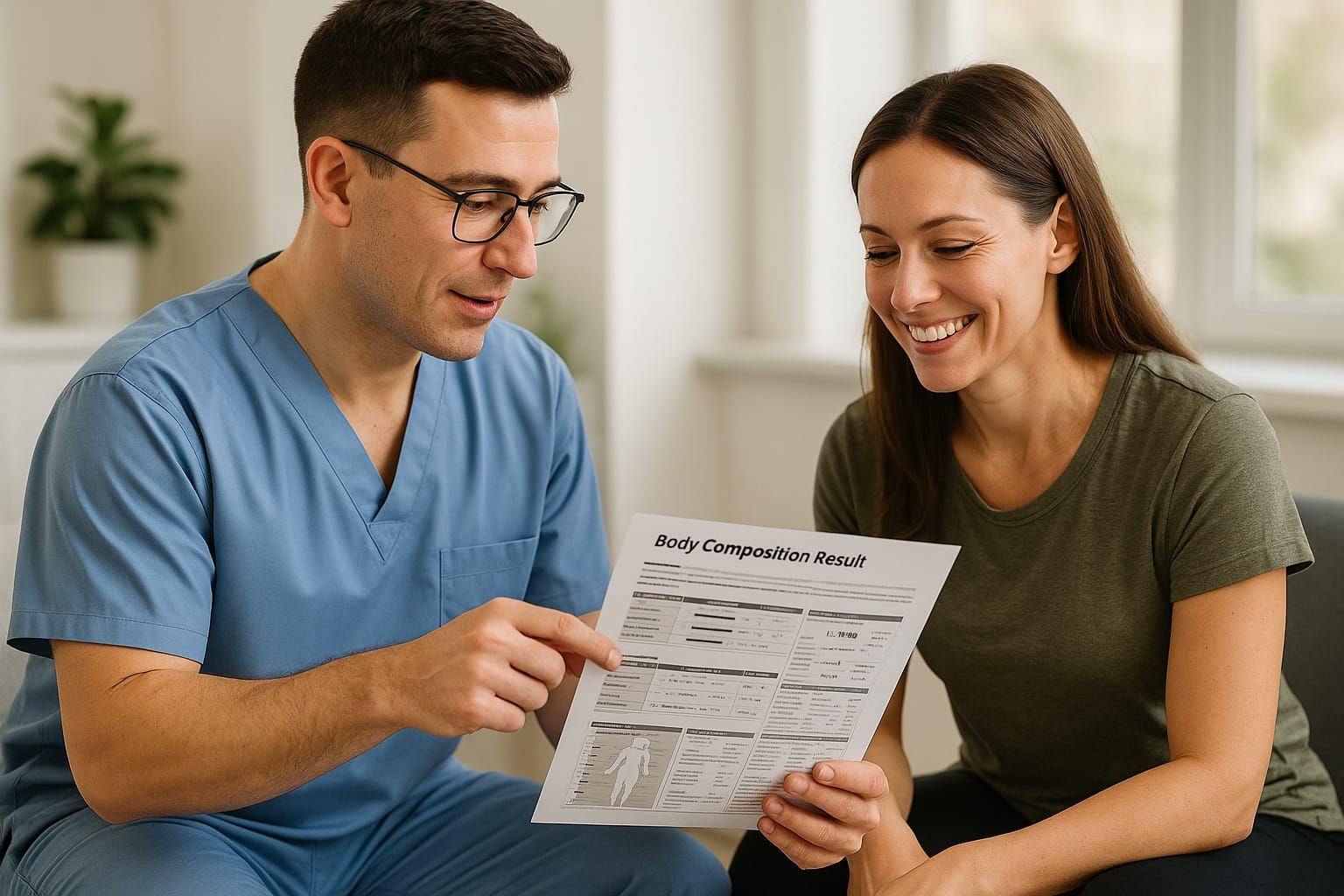
At Preamble, all these services are offered with a high level of professionalism and personal attention. You’re not just a number; the team takes time to explain your results and answer questions. For example, when you get a DEXA scan, a specialist can walk you through the report so you understand what your body fat percentage means, how your visceral fat reading compares to optimal ranges, or how your bone density stacks up for your age. If you do a VO2 max test, you’ll get context for your VO2 value and how to improve it. This guidance transforms numbers on a page into an actionable health plan.
Convenience and Accessibility
Being located in Scottsdale, Preamble is easily accessible for those in Paradise Valley, Tempe, and North Phoenix areas. If you’ve been searching for something like a “body composition analysis Scottsdale” or a “bone and body scan near me”, this is exactly what Preamble provides. No need to travel far or visit multiple facilities – the major assessments for preventative health are all available under one roof. You can literally get your body composition, bone density, metabolism, and cardio fitness evaluated in a single comprehensive session if you wanted to (talk about an in-depth health day!).
Empowerment through Knowledge
The philosophy at Preamble is to empower clients with knowledge about their bodies. The detailed reports and one-on-one review consultations mean you’ll leave knowing more about yourself than when you came in – and that’s empowering. Instead of generic advice, you’ll have personalized data. This makes any subsequent health or fitness effort much more effective because it’s tailored to your unique profile.
If you’re an athlete, you now have professional-level metrics to guide your training. If you’re focused on longevity, you now have early warning indicators (or a baseline of how awesome things are) to guide your lifestyle choices. If you’re trying to lose weight, you have the forensic tools to ensure it’s successful and healthy. And if you’re simply curious about where you stand, you’ll satisfy that curiosity with accurate information.
Next Steps
Taking the next step is as simple as booking an appointment. Preamble offers online booking for these services, or you can schedule a DEXA scan or an executive physical. Typically, no doctor’s referral is needed for these tests when you’re ordering them yourself for wellness purposes (unlike in some hospital settings). It’s direct-to-consumer diagnostics in a supportive medical environment.
In conclusion, a DEXA scan can be one of the best investments you make in understanding and improving your body and health. It’s not often that a single test can influence your fitness strategy, nutritional plan, and medical care all at once – but DEXA truly can, by illuminating aspects of your health that are otherwise invisible. Whether your goal is to get fitter, lose fat, gain muscle, prevent osteoporosis, or just stay on top of your health, a DEXA scan provides the roadmap and the metrics to get you there. And if you’re in the Scottsdale area, you have easy access to this technology and expertise through Preamble’s services.
Empower yourself with knowledge: Don’t rely on guesswork or averages. By regularly checking in on your body’s composition and bone health, you can make informed decisions that pay dividends in the form of better performance, better appearance, and most importantly, better long-term health. The old adage goes, “What gets measured, gets managed.” With DEXA and the preventive tools at your disposal, you now have the measurements – and you can effectively manage your health journey for years and decades to come. Here’s to a stronger, leaner body and a longer, healthier life!