Comprehensive Blood Testing in Scottsdale
Sale price Only $399 Regular price $449 Save $50
Preamble Health offers advanced biomarker testing in Scottsdale measuring 100+ health markers, many that standard physicals miss. Unlike online blood tests that send you an impersonal AI-generated report, our $399 Biomarker Blood Test includes an in-person consultation with a healthcare provider at our North Scottsdale clinic who reviews your results and creates a personalized action plan.
100+
Biomarkers tested
100%
Human consultation
1
Personalized Action Plan

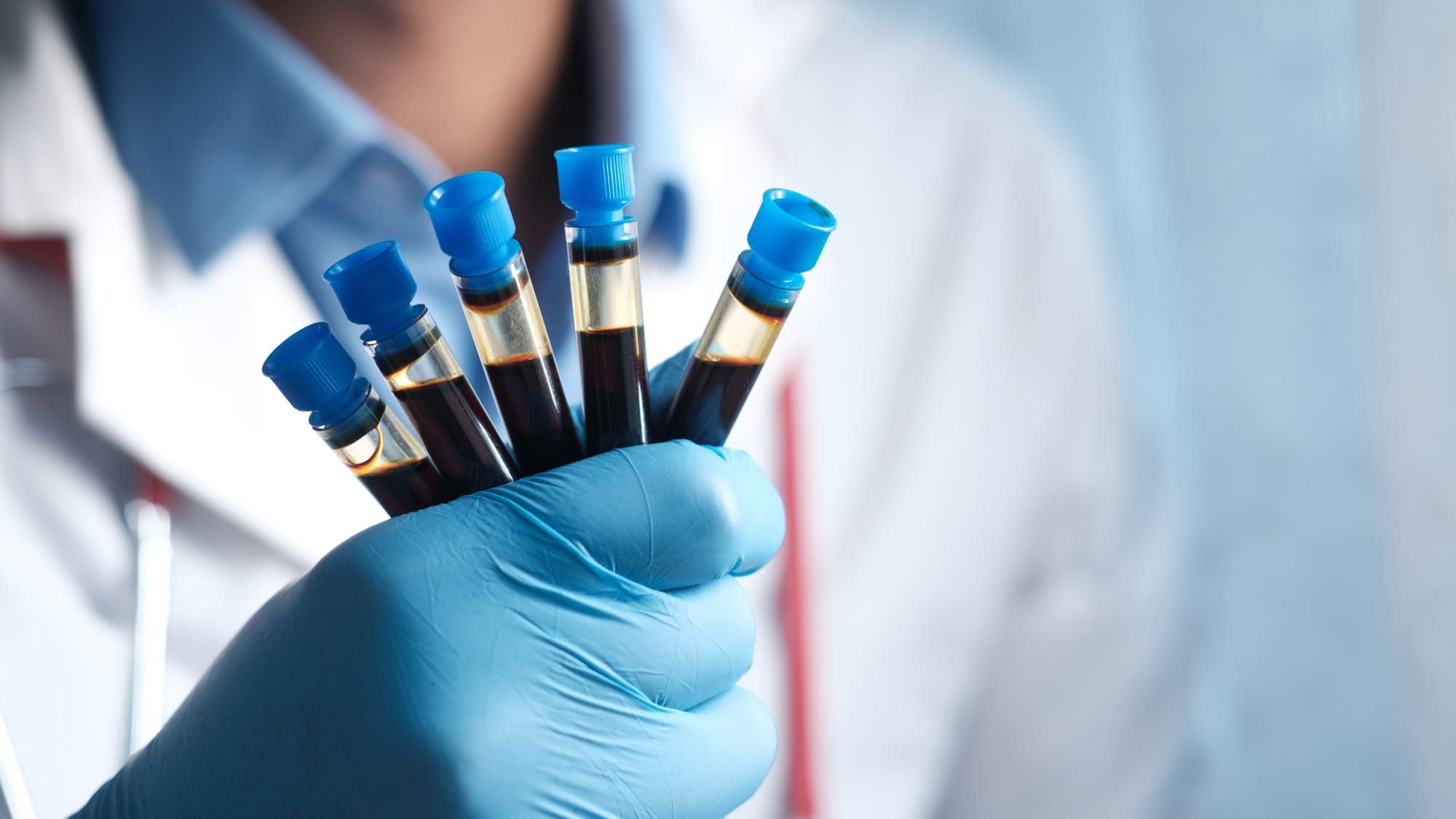
Why Choose Preamble's Biomarker Blood Test in Scottsdale?
Most annual physicals test only 10-15 basic markers designed to catch obvious disease. Our comprehensive biomarker blood test measures 100+ critical health indicators including advanced cardiovascular risk markers (ApoB, Lp(a)), metabolic function (fasting insulin, not just glucose), comprehensive hormone panels, inflammation markers, thyroid function, nutrient status, and more—revealing early dysfunction years before standard testing would catch it.
Unlike online blood testing services that send you an AI-generated PDF report to interpret on your own, our $399 test includes a 20-minute consultation with an experienced Preamble provider. Meet in-person at our Scottsdale clinic or virtually to get expert interpretation of your results, ask questions, and receive a personalized Action Plan with specific, prioritized recommendations based on your unique biomarker profile.
This isn't just data—it's actionable insight into your metabolic health, cardiovascular risk, and optimization opportunities that standard healthcare misses entirely.
Scottsdale's Most Comprehensive Blood Test
Lab Work for 100+ Biomarkers
Get comprehensive blood testing in Scottsdale measuring 100+ critical health markers including metabolic function, insulin resistance, advanced cardiovascular risk, hormones, inflammation, thyroid, kidney and liver health, and nutrient status—far beyond what standard physicals test.
1:1 Consultation with a Real Person, Not AI
Meet with an experienced Preamble provider at our Scottsdale clinic or via virtual appointment for a detailed 20-minute review of your results. Get clear explanations, ask questions, and receive expert interpretation of your biomarkers—not an automated report.
A Personalized Action Plan
Receive a customized health roadmap based on your unique biomarker results. Your plan prioritizes the highest-impact interventions to prevent disease, reduce risk, and optimize your metabolic health from the inside out.
One Simple Process
Schedule Your Test
Book your biomarker blood test at a Scottsdale-area clinic or schedule a convenient in-home blood draw anywhere in the Scottsdale/Phoenix metro area.
Get Your Blood Draw
A quick blood draw and urine sample provide comprehensive data across 100+ biomarkers—giving us deep insights into your metabolic health, cardiovascular risk, hormones, and more.
Receive an Action Plan
Review your results in-person at our Scottsdale location or via virtual consultation with a Preamble provider who'll explain your biomarkers and create your personalized health roadmap.
What We Test: 100+ Critical Health Biomarkers
Our comprehensive blood panel in Scottsdale measures the advanced markers that standard annual physicals miss—giving you a complete picture of your metabolic health, cardiovascular risk, hormones, inflammation, and more.
Heart / Cardiovascular Health 12
Apolipoprotein B
Apolipoprotein B estimates the number of atherogenic cholesterol-carrying particles, including LDL and related particles. It can clarify artery risk when LDL cholesterol looks acceptable but particle number remains high.
Lipoprotein (a)
Lipoprotein (a) is a mostly inherited LDL-like particle that can raise cardiovascular risk independent of standard cholesterol numbers. Because it is genetically driven, many people only need it checked once unless treatment strategy changes.
Total Cholesterol
Sum of all cholesterol types; blunt screening tool. It is most useful when reviewed with blood pressure, family history, metabolic markers, medications, and whether the value is improving or worsening over time.
HDL Cholesterol
Helps transport cholesterol back to the liver for recycling. It is most useful when reviewed with blood pressure, family history, metabolic markers, medications, and whether the value is improving or worsening over time.
Triglycerides
Blood fats that rise with refined carbs and alcohol; elevation can increase risk. It is most useful when reviewed with blood pressure, family history, metabolic markers, medications, and whether the value is improving or worsening over time.
LDL Cholesterol
Cholesterol cargo within LDL particles; useful but less precise than ApoB. It is most useful when reviewed with blood pressure, family history, metabolic markers, medications, and whether the value is improving or worsening over time.
Cholesterol/HDLC Ratio
Traditional metric for gauging overall heart risk. It is most useful when reviewed with blood pressure, family history, metabolic markers, medications, and whether the value is improving or worsening over time.
Non-HDL Cholesterol
Captures cholesterol in all "bad" particles when ApoB is unavailable. It is most useful when reviewed with blood pressure, family history, metabolic markers, medications, and whether the value is improving or worsening over time.
Myeloperoxidase*
Myeloperoxidase is an enzyme released by activated white blood cells. Higher values may suggest oxidative stress and vascular inflammation, but it is interpreted alongside standard cardiovascular risk markers.
Trimethylamine N-oxide
Trimethylamine N-oxide, or TMAO, is produced when gut microbes metabolize nutrients found in foods such as red meat, eggs, and fish. It is studied as a cardiovascular and kidney risk signal, though interpretation is still evolving.
OxLDL*
Oxidized LDL reflects LDL particles that have undergone oxidative modification. These particles may be more inflammatory to artery walls, so the result adds context to ApoB, LDL cholesterol, inflammation, and metabolic health.
Lp-PLA2 Activity*
Lp-PLA2 is an enzyme associated with vascular inflammation and plaque biology. It is not a stand-alone diagnosis, but it may add context when evaluating cardiovascular risk and inflammatory burden.
Thyroid 7
TSH
Pituitary control signal regulating thyroid function intensity. Clinicians usually interpret this alongside the rest of the thyroid panel, symptoms, medication use, iodine status, and possible autoimmune thyroid disease.
Free T3
Active thyroid hormone your cells actually use for metabolism. Clinicians usually interpret this alongside the rest of the thyroid panel, symptoms, medication use, iodine status, and possible autoimmune thyroid disease.
Free T4
Main hormone released by thyroid; converted to T3 as needed. Clinicians usually interpret this alongside the rest of the thyroid panel, symptoms, medication use, iodine status, and possible autoimmune thyroid disease.
Reverse T3*
Inactive form rising during illness, stress, or calorie deficiency. Clinicians usually interpret this alongside the rest of the thyroid panel, symptoms, medication use, iodine status, and possible autoimmune thyroid disease.
TPO Antibodies*
Indicates immune system targeting thyroid tissue. Clinicians usually interpret this alongside the rest of the thyroid panel, symptoms, medication use, iodine status, and possible autoimmune thyroid disease.
Thyroglobulin Antibodies*
Detects immune damage to thyroid cells. Clinicians usually interpret this alongside the rest of the thyroid panel, symptoms, medication use, iodine status, and possible autoimmune thyroid disease.
Iodine*
Essential building block for thyroid hormone production. Clinicians usually interpret this alongside the rest of the thyroid panel, symptoms, medication use, iodine status, and possible autoimmune thyroid disease.
Autoimmunity 2
ANA (Antinuclear Antibodies)*
Antibodies targeting cell nuclei, often seen in autoimmune diseases. A positive or elevated result does not diagnose a condition by itself, but it can point to immune activity that may warrant follow-up with symptoms, exam findings, and confirmatory testing.
Rheumatoid Factor*
Antibody potentially indicating rheumatoid arthritis or autoimmune activity. A positive or elevated result does not diagnose a condition by itself, but it can point to immune activity that may warrant follow-up with symptoms, exam findings, and confirmatory testing.
Pancreas 3
Amylase*
Detects salivary disease, pancreatitis, celiac disease, IBD, or tumors. This marker is interpreted in clinical context because digestive symptoms, gallbladder issues, inflammation, medications, and cancer monitoring can require very different follow-up.
Lipase*
Identifies pancreatic inflammation and biliary system conditions. This marker is interpreted in clinical context because digestive symptoms, gallbladder issues, inflammation, medications, and cancer monitoring can require very different follow-up.
CA 19-9*
Tumor marker for monitoring pancreatic or biliary conditions. This marker is interpreted in clinical context because digestive symptoms, gallbladder issues, inflammation, medications, and cancer monitoring can require very different follow-up.
Gut Health 1
Jona Test*
The Jona Test is a commercial gut microbiome test that profiles microbial patterns and provides personalized insights. Results should be interpreted as supportive information rather than a diagnosis.
Dementia 1
Cardio IQ APOE Genotype*
Tests gene type influencing Alzheimer's risk. Genetic risk markers describe probability rather than destiny, so they are most helpful when paired with family history, cardiometabolic risk, sleep, exercise, and cognitive health planning.
Genetic 2
MTHFR*
Gene affecting folate and homocysteine processing; variants reduce enzyme efficiency. Genetic results are lifelong risk information, not a current diagnosis, and usually deserve careful interpretation with family history and a qualified clinician or genetic counselor.
Invitae Comprehensive Genetic Risk Panel*
This hereditary risk panel reviews selected genes associated with cancer, cardiovascular, and metabolic conditions. Results can guide screening conversations, but pathogenic variants require careful clinical and family-history interpretation.
Metabolic Health 18
Hemoglobin A1c
Reflects average blood sugar over approximately 3 months. Trends across this group help reveal insulin resistance, kidney function, hydration, electrolyte balance, liver-bile patterns, and early metabolic strain before symptoms are obvious.
Insulin
Shows metabolic effort maintaining fasting blood sugar; early resistance indicator. Trends across this group help reveal insulin resistance, kidney function, hydration, electrolyte balance, liver-bile patterns, and early metabolic strain before symptoms are obvious.
Uric Acid
Breakdown product; elevated levels raise blood pressure and vessel irritation. Trends across this group help reveal insulin resistance, kidney function, hydration, electrolyte balance, liver-bile patterns, and early metabolic strain before symptoms are obvious.
Homocysteine
Sulfur-based amino acid; elevated levels irritate blood vessel linings. Trends across this group help reveal insulin resistance, kidney function, hydration, electrolyte balance, liver-bile patterns, and early metabolic strain before symptoms are obvious.
Leptin*
Leptin is a hormone released by fat tissue that helps regulate appetite and energy balance. Persistently high levels can suggest leptin resistance or excess adipose signaling, especially when paired with insulin resistance and body-composition data.
HOMA-IR Score
HOMA-IR is a calculated estimate of insulin resistance using fasting glucose and fasting insulin. It can reveal metabolic strain before glucose or A1c cross standard diagnostic thresholds.
Glucose
Single morning fasting blood sugar measurement. Trends across this group help reveal insulin resistance, kidney function, hydration, electrolyte balance, liver-bile patterns, and early metabolic strain before symptoms are obvious.
eGFR
Kidney filtration efficiency estimate; higher indicates better function. Trends across this group help reveal insulin resistance, kidney function, hydration, electrolyte balance, liver-bile patterns, and early metabolic strain before symptoms are obvious.
Bun/Creatinine Ratio
Interprets kidney and hydration status. Trends across this group help reveal insulin resistance, kidney function, hydration, electrolyte balance, liver-bile patterns, and early metabolic strain before symptoms are obvious.
Sodium
Main blood salt reflecting water balance. Trends across this group help reveal insulin resistance, kidney function, hydration, electrolyte balance, liver-bile patterns, and early metabolic strain before symptoms are obvious.
Potassium
Mineral maintaining nerve and heart rhythm within tight ranges. Trends across this group help reveal insulin resistance, kidney function, hydration, electrolyte balance, liver-bile patterns, and early metabolic strain before symptoms are obvious.
Chloride
Ion supporting acid-base balance with sodium. Trends across this group help reveal insulin resistance, kidney function, hydration, electrolyte balance, liver-bile patterns, and early metabolic strain before symptoms are obvious.
Carbon Dioxide
Reflects bicarbonate, the blood's acid buffer system. Trends across this group help reveal insulin resistance, kidney function, hydration, electrolyte balance, liver-bile patterns, and early metabolic strain before symptoms are obvious.
Calcium
Mineral essential for bones, nerves, and muscles. Trends across this group help reveal insulin resistance, kidney function, hydration, electrolyte balance, liver-bile patterns, and early metabolic strain before symptoms are obvious.
Globulin
Blood proteins including antibodies and carrier proteins. Trends across this group help reveal insulin resistance, kidney function, hydration, electrolyte balance, liver-bile patterns, and early metabolic strain before symptoms are obvious.
Albumin/Globulin Ratio
Compares liver-made albumin to immune-related globulins. Trends across this group help reveal insulin resistance, kidney function, hydration, electrolyte balance, liver-bile patterns, and early metabolic strain before symptoms are obvious.
Bilirubin, Total
Red cell breakdown product processed by the liver. Trends across this group help reveal insulin resistance, kidney function, hydration, electrolyte balance, liver-bile patterns, and early metabolic strain before symptoms are obvious.
Alkaline Phosphatase
Enzyme from bile ducts and bone tissue. Trends across this group help reveal insulin resistance, kidney function, hydration, electrolyte balance, liver-bile patterns, and early metabolic strain before symptoms are obvious.
Nutrients & Minerals 18
Selenium*
Selenium is a trace mineral needed for antioxidant enzymes and thyroid hormone metabolism. Both deficiency and excess can cause problems, so supplement use and dietary intake matter when interpreting results.
Methylmalonic Acid*
Sensitive B12 status marker; elevated indicates functional deficiency. Low or high values are interpreted with diet, supplements, medications, absorption, inflammation, kidney function, and whether related markers point in the same direction.
Magnesium, RBC*
Red blood cell magnesium is intended to reflect intracellular magnesium status more closely than serum magnesium. It can be useful when symptoms, diet, medications, or metabolic issues suggest magnesium depletion.
Vitamin B12*
Supports nerves, brain, and red blood cells. Low or high values are interpreted with diet, supplements, medications, absorption, inflammation, kidney function, and whether related markers point in the same direction.
Folate*
Essential for DNA repair and blood cell production. Low or high values are interpreted with diet, supplements, medications, absorption, inflammation, kidney function, and whether related markers point in the same direction.
Zinc*
Zinc supports immune function, wound healing, taste, reproductive health, and many enzymes. Low or high levels should be interpreted with diet, supplementation, copper balance, and inflammation.
Copper*
Copper supports iron handling, connective tissue, nervous system function, and energy production. It is often interpreted with zinc, iron markers, liver status, and signs of inflammation.
OmegaCheck (EPA+DPA+DHA)
OmegaCheck reflects the omega-3 content of red blood cell membranes, giving a longer-term view of EPA, DPA, and DHA status than a single dietary recall. It is often used to assess fish intake or omega-3 supplementation response.
EPA
EPA is an omega-3 fatty acid involved in inflammation-resolution signaling and triglyceride metabolism. It is often interpreted with DHA, total omega-3 status, and the arachidonic acid to EPA balance.
DPA
DPA is an intermediate omega-3 fatty acid that may help bridge EPA and DHA metabolism. Its level contributes to overall omega-3 status and cell membrane composition.
DHA
DHA is a structural omega-3 fatty acid concentrated in brain, retina, and cell membranes. Low levels may point to limited marine omega-3 intake or absorption issues.
Omega-3 Total
Total omega-3 summarizes the main omega-3 fatty acids measured in the panel. It helps show whether intake and incorporation of omega-3 fats are adequate over the prior several months.
Omega-6 Total
Total omega-6 captures a family of fats used for cell structure and signaling. The result is most meaningful when compared with omega-3 status and the broader diet pattern.
Omega-6/Omega-3 Ratio
The omega-6 to omega-3 ratio describes the balance between two major fatty-acid families. It is a broad dietary pattern marker rather than a direct diagnosis.
Arachidonic Acid/EPA Ratio
The arachidonic acid to EPA ratio compares a key omega-6 signaling fat with a key omega-3 signaling fat. A higher ratio can suggest a more pro-inflammatory fatty-acid pattern.
Arachidonic Acid
Arachidonic acid is an omega-6 fatty acid needed for normal cell signaling and repair. The clinical meaning depends on its balance with EPA and the overall inflammatory picture.
Linoleic Acid
Linoleic acid is an essential omega-6 fatty acid common in many seed and vegetable oils. It is interpreted as part of the full fatty-acid profile, not as an isolated good-or-bad value.
Vitamin D
Storage form supporting bone, muscle, and immune health. Low or high values are interpreted with diet, supplements, medications, absorption, inflammation, kidney function, and whether related markers point in the same direction.
Inflammation 2
High-Sensitivity C-Reactive Protein
Sensitive whole-body inflammation marker; lower is preferred. This value is most informative when trended because short-term infections, injury, intense exercise, chronic disease, and metabolic dysfunction can all move inflammatory markers.
Ferritin
Iron storage indicator; elevation suggests inflammation or iron overload. This value is most informative when trended because short-term infections, injury, intense exercise, chronic disease, and metabolic dysfunction can all move inflammatory markers.
Liver 5
GGT
Liver enzyme rising with hepatic injury. Liver markers are pattern-based: clinicians compare enzymes, proteins, bilirubin, medications, alcohol exposure, exercise, and metabolic risk rather than relying on one value alone.
Albumin
Primary liver-produced protein maintaining vessel fluid and hormone transport. Liver markers are pattern-based: clinicians compare enzymes, proteins, bilirubin, medications, alcohol exposure, exercise, and metabolic risk rather than relying on one value alone.
AST
Liver enzyme also rising with hard workouts or muscle injury. Liver markers are pattern-based: clinicians compare enzymes, proteins, bilirubin, medications, alcohol exposure, exercise, and metabolic risk rather than relying on one value alone.
ALT
Liver enzyme that rises when the liver is irritated or fatty. Liver markers are pattern-based: clinicians compare enzymes, proteins, bilirubin, medications, alcohol exposure, exercise, and metabolic risk rather than relying on one value alone.
Total Protein
Sum of albumin and globulins representing nutrition and immunity proteins. Liver markers are pattern-based: clinicians compare enzymes, proteins, bilirubin, medications, alcohol exposure, exercise, and metabolic risk rather than relying on one value alone.
Kidneys 28
Cystatin C
Kidney function marker less affected by muscle mass than creatinine. Kidney and urine findings are interpreted together because hydration, infection, exercise, muscle mass, stones, diabetes risk, and medications can all affect the pattern.
Creatinine
Muscle-waste marker filtered by kidneys; higher indicates lower filtration. Kidney and urine findings are interpreted together because hydration, infection, exercise, muscle mass, stones, diabetes risk, and medications can all affect the pattern.
BUN (Blood Urea Nitrogen)
Protein-waste marker rising with dehydration. Kidney and urine findings are interpreted together because hydration, infection, exercise, muscle mass, stones, diabetes risk, and medications can all affect the pattern.
Gravity (urine)
Measures urine concentration; high indicates dehydration. Kidney and urine findings are interpreted together because hydration, infection, exercise, muscle mass, stones, diabetes risk, and medications can all affect the pattern.
pH (urine)
Reflects acidity or alkalinity level. Kidney and urine findings are interpreted together because hydration, infection, exercise, muscle mass, stones, diabetes risk, and medications can all affect the pattern.
Glucose (urine)
Detects sugar spillover from elevated blood sugar or diabetes. Kidney and urine findings are interpreted together because hydration, infection, exercise, muscle mass, stones, diabetes risk, and medications can all affect the pattern.
Bilirubin (urine)
Appears when liver or bile system is stressed. Kidney and urine findings are interpreted together because hydration, infection, exercise, muscle mass, stones, diabetes risk, and medications can all affect the pattern.
Ketones (urine)
Seen in fasting, low-carb diets, or uncontrolled diabetes. Kidney and urine findings are interpreted together because hydration, infection, exercise, muscle mass, stones, diabetes risk, and medications can all affect the pattern.
Occult Blood (urine)
Detects non-visible blood traces from infection, stones, or exercise. Kidney and urine findings are interpreted together because hydration, infection, exercise, muscle mass, stones, diabetes risk, and medications can all affect the pattern.
Protein (urine)
Checks for albumin; persistent elevation may signal kidney stress. Kidney and urine findings are interpreted together because hydration, infection, exercise, muscle mass, stones, diabetes risk, and medications can all affect the pattern.
Nitrite (urine)
Indicates nitrite-producing bacteria; often present in urinary tract infections. Kidney and urine findings are interpreted together because hydration, infection, exercise, muscle mass, stones, diabetes risk, and medications can all affect the pattern.
Leukocyte Esterase (urine)
Suggests white blood cells; common UTI indicator. Kidney and urine findings are interpreted together because hydration, infection, exercise, muscle mass, stones, diabetes risk, and medications can all affect the pattern.
WBC (urine)
Microscopic white blood cells; infection or inflammation marker. Kidney and urine findings are interpreted together because hydration, infection, exercise, muscle mass, stones, diabetes risk, and medications can all affect the pattern.
RBC (urine)
Red blood cells suggesting irritation, stones, or infection. Kidney and urine findings are interpreted together because hydration, infection, exercise, muscle mass, stones, diabetes risk, and medications can all affect the pattern.
Squamous Epithelial Cells (urine)
Urinary tract surface cells; excess may indicate contamination. Kidney and urine findings are interpreted together because hydration, infection, exercise, muscle mass, stones, diabetes risk, and medications can all affect the pattern.
Transitional Epithelial Cells (urine)
Bladder lining cells; high numbers reflect irritation or injury. Kidney and urine findings are interpreted together because hydration, infection, exercise, muscle mass, stones, diabetes risk, and medications can all affect the pattern.
Renal Epithelial Cells (urine)
Kidney tubule cells; presence suggests possible kidney injury. Kidney and urine findings are interpreted together because hydration, infection, exercise, muscle mass, stones, diabetes risk, and medications can all affect the pattern.
Bacteria (urine)
Indicates bacterial presence. Kidney and urine findings are interpreted together because hydration, infection, exercise, muscle mass, stones, diabetes risk, and medications can all affect the pattern.
Calcium Oxalate Crystals (urine)
Common crystals potentially increasing with dehydration. Kidney and urine findings are interpreted together because hydration, infection, exercise, muscle mass, stones, diabetes risk, and medications can all affect the pattern.
Triple Phosphate Crystals (urine)
Appear in alkaline urine, often associated with infection. Kidney and urine findings are interpreted together because hydration, infection, exercise, muscle mass, stones, diabetes risk, and medications can all affect the pattern.
Uric Acid Crystals (urine)
Form in acidic urine; linked to gout or kidney stones. Kidney and urine findings are interpreted together because hydration, infection, exercise, muscle mass, stones, diabetes risk, and medications can all affect the pattern.
Amorphous Sediment (urine)
Unstructured crystal deposits. Kidney and urine findings are interpreted together because hydration, infection, exercise, muscle mass, stones, diabetes risk, and medications can all affect the pattern.
Crystals (urine)
General solid particle category. Kidney and urine findings are interpreted together because hydration, infection, exercise, muscle mass, stones, diabetes risk, and medications can all affect the pattern.
Hyaline Cast (urine)
Tube-shaped protein molds from kidney tubules. Kidney and urine findings are interpreted together because hydration, infection, exercise, muscle mass, stones, diabetes risk, and medications can all affect the pattern.
Granular Cast (urine)
Casts containing cell debris. Kidney and urine findings are interpreted together because hydration, infection, exercise, muscle mass, stones, diabetes risk, and medications can all affect the pattern.
Casts (urine)
Tubular structures; type determines significance. Kidney and urine findings are interpreted together because hydration, infection, exercise, muscle mass, stones, diabetes risk, and medications can all affect the pattern.
Yeast (urine)
Presence suggests possible fungal infection. Kidney and urine findings are interpreted together because hydration, infection, exercise, muscle mass, stones, diabetes risk, and medications can all affect the pattern.
Albumin, Urine
Detects small protein amounts in urine. Kidney and urine findings are interpreted together because hydration, infection, exercise, muscle mass, stones, diabetes risk, and medications can all affect the pattern.
Women's Health 10
Estradiol
Main estrogen supporting mood, bone, heart, and healthy cycles. Timing matters for reproductive hormones, so interpretation depends on age, cycle day, contraceptive or hormone use, symptoms, and fertility or menopause context.
FSH (Follicle-Stimulating Hormone)
Brain signal helping ovaries produce eggs. Timing matters for reproductive hormones, so interpretation depends on age, cycle day, contraceptive or hormone use, symptoms, and fertility or menopause context.
LH (Luteinizing Hormone)
Brain signal triggering ovulation in women. Timing matters for reproductive hormones, so interpretation depends on age, cycle day, contraceptive or hormone use, symptoms, and fertility or menopause context.
Progesterone
Progesterone rises after ovulation and helps prepare and stabilize the uterine lining. Timing of the blood draw is essential because values vary dramatically across the cycle.
AMH*
Anti-Mullerian hormone reflects the pool of small ovarian follicles and is commonly used as one piece of ovarian reserve assessment. It does not guarantee fertility by itself.
DHEA Sulfate
DHEA sulfate is a stable adrenal androgen that serves as a precursor for other sex hormones. It is interpreted with age, sex, symptoms, medications, and other hormone results.
Prolactin*
Pituitary hormone supporting milk production; elevation disrupts cycles. Timing matters for reproductive hormones, so interpretation depends on age, cycle day, contraceptive or hormone use, symptoms, and fertility or menopause context.
Sex Hormone Binding Globulin
Sex hormone binding globulin is a liver-made carrier protein that controls how much testosterone and estradiol remain biologically available. It helps explain why total hormone levels and symptoms do not always match.
Free Testosterone
Unbound active testosterone directly measured and more accurate. Timing matters for reproductive hormones, so interpretation depends on age, cycle day, contraceptive or hormone use, symptoms, and fertility or menopause context.
Total Testosterone
Overall circulating testosterone affecting energy, libido, and mood. Timing matters for reproductive hormones, so interpretation depends on age, cycle day, contraceptive or hormone use, symptoms, and fertility or menopause context.
Men's Health 10
Sex Hormone Binding Globulin
Sex hormone binding globulin is a liver-made carrier protein that controls how much testosterone and estradiol remain biologically available. It helps explain why total hormone levels and symptoms do not always match.
Free Testosterone
Unbound active testosterone directly measured and more accurate. Hormone and prostate markers are best read as a panel, with attention to age, symptoms, medications, fertility goals, prostate history, and repeat trends.
Total Testosterone
Overall circulating testosterone affecting energy, libido, and mood. Hormone and prostate markers are best read as a panel, with attention to age, symptoms, medications, fertility goals, prostate history, and repeat trends.
Estradiol
Main estrogen supporting mood, bone, and heart function. Hormone and prostate markers are best read as a panel, with attention to age, symptoms, medications, fertility goals, prostate history, and repeat trends.
FSH (Follicle-Stimulating Hormone)
Brain signal helping testes produce sperm. Hormone and prostate markers are best read as a panel, with attention to age, symptoms, medications, fertility goals, prostate history, and repeat trends.
LH (Luteinizing Hormone)
Brain signal telling testes to make testosterone. Hormone and prostate markers are best read as a panel, with attention to age, symptoms, medications, fertility goals, prostate history, and repeat trends.
DHEA Sulfate
DHEA sulfate is a stable adrenal androgen that serves as a precursor for other sex hormones. It is interpreted with age, sex, symptoms, medications, and other hormone results.
PSA Total
Prostate protein used for screening and monitoring over time. Hormone and prostate markers are best read as a panel, with attention to age, symptoms, medications, fertility goals, prostate history, and repeat trends.
PSA Free*
Unbound prostate antigen fraction; ratio distinguishes benign from higher-risk changes. Hormone and prostate markers are best read as a panel, with attention to age, symptoms, medications, fertility goals, prostate history, and repeat trends.
Prolactin*
Pituitary hormone; elevation disrupts testosterone balance. Hormone and prostate markers are best read as a panel, with attention to age, symptoms, medications, fertility goals, prostate history, and repeat trends.
Blood Health & Anemia 37
White Blood Cell Count
Infection-fighting cells; levels vary with illness and inflammation. CBC and iron studies work as a group, helping separate anemia types, inflammation, infection patterns, clotting concerns, and whether follow-up blood smear or nutrient testing is needed.
Red Blood Cell Count
Number of red cells; useful alongside hemoglobin and hematocrit. CBC and iron studies work as a group, helping separate anemia types, inflammation, infection patterns, clotting concerns, and whether follow-up blood smear or nutrient testing is needed.
Hemoglobin
Oxygen-carrying protein in red cells; screens for anemia. CBC and iron studies work as a group, helping separate anemia types, inflammation, infection patterns, clotting concerns, and whether follow-up blood smear or nutrient testing is needed.
Hematocrit
Percentage of blood that's red cells; screens for anemia or high counts. CBC and iron studies work as a group, helping separate anemia types, inflammation, infection patterns, clotting concerns, and whether follow-up blood smear or nutrient testing is needed.
MCV
Average red cell size helping classify anemia type. CBC and iron studies work as a group, helping separate anemia types, inflammation, infection patterns, clotting concerns, and whether follow-up blood smear or nutrient testing is needed.
MCH
Average hemoglobin per red cell. CBC and iron studies work as a group, helping separate anemia types, inflammation, infection patterns, clotting concerns, and whether follow-up blood smear or nutrient testing is needed.
MCHC
Hemoglobin concentration inside red cells; adds anemia classification context. CBC and iron studies work as a group, helping separate anemia types, inflammation, infection patterns, clotting concerns, and whether follow-up blood smear or nutrient testing is needed.
RDW
Shows variation in red cell sizes. CBC and iron studies work as a group, helping separate anemia types, inflammation, infection patterns, clotting concerns, and whether follow-up blood smear or nutrient testing is needed.
Platelet Count
Platelets help your blood clot; too few raises bleeding risk. CBC and iron studies work as a group, helping separate anemia types, inflammation, infection patterns, clotting concerns, and whether follow-up blood smear or nutrient testing is needed.
MPV
Average platelet size indicator. CBC and iron studies work as a group, helping separate anemia types, inflammation, infection patterns, clotting concerns, and whether follow-up blood smear or nutrient testing is needed.
Neutrophils
Neutrophil percentage within total white count. CBC and iron studies work as a group, helping separate anemia types, inflammation, infection patterns, clotting concerns, and whether follow-up blood smear or nutrient testing is needed.
Absolute Neutrophils
Core infection-fighting cells; high in bacterial infection. CBC and iron studies work as a group, helping separate anemia types, inflammation, infection patterns, clotting concerns, and whether follow-up blood smear or nutrient testing is needed.
Lymphocytes
White blood cells driving immune memory and viral defense. CBC and iron studies work as a group, helping separate anemia types, inflammation, infection patterns, clotting concerns, and whether follow-up blood smear or nutrient testing is needed.
Absolute Lymphocytes
White cell subtype counts reflecting infection or inflammation type. CBC and iron studies work as a group, helping separate anemia types, inflammation, infection patterns, clotting concerns, and whether follow-up blood smear or nutrient testing is needed.
Monocytes
Long-lived cells clearing infection and supporting healing. CBC and iron studies work as a group, helping separate anemia types, inflammation, infection patterns, clotting concerns, and whether follow-up blood smear or nutrient testing is needed.
Absolute Monocytes
Measures cleanup and infection-fighting monocytes. CBC and iron studies work as a group, helping separate anemia types, inflammation, infection patterns, clotting concerns, and whether follow-up blood smear or nutrient testing is needed.
Eosinophils
Eosinophil percentage within total white count. CBC and iron studies work as a group, helping separate anemia types, inflammation, infection patterns, clotting concerns, and whether follow-up blood smear or nutrient testing is needed.
Absolute Eosinophils
White cell counts reflecting infection, allergy, or inflammation. CBC and iron studies work as a group, helping separate anemia types, inflammation, infection patterns, clotting concerns, and whether follow-up blood smear or nutrient testing is needed.
Basophils
Basophil percentage within total white count. CBC and iron studies work as a group, helping separate anemia types, inflammation, infection patterns, clotting concerns, and whether follow-up blood smear or nutrient testing is needed.
Absolute Basophils
White cell subtype counts reflecting infection or inflammation. CBC and iron studies work as a group, helping separate anemia types, inflammation, infection patterns, clotting concerns, and whether follow-up blood smear or nutrient testing is needed.
Band Neutrophils
Immature neutrophil forms released during infection or inflammation. CBC and iron studies work as a group, helping separate anemia types, inflammation, infection patterns, clotting concerns, and whether follow-up blood smear or nutrient testing is needed.
Absolute Band Neutrophils
Early white blood cells released during infection or inflammation. CBC and iron studies work as a group, helping separate anemia types, inflammation, infection patterns, clotting concerns, and whether follow-up blood smear or nutrient testing is needed.
Metamyelocytes
Immature white cell developmental stages. CBC and iron studies work as a group, helping separate anemia types, inflammation, infection patterns, clotting concerns, and whether follow-up blood smear or nutrient testing is needed.
Absolute Metamyelocytes
Very immature white blood cells. CBC and iron studies work as a group, helping separate anemia types, inflammation, infection patterns, clotting concerns, and whether follow-up blood smear or nutrient testing is needed.
Myelocytes
Immature white cell developmental stages. CBC and iron studies work as a group, helping separate anemia types, inflammation, infection patterns, clotting concerns, and whether follow-up blood smear or nutrient testing is needed.
Absolute Myelocytes
Early-stage white blood cell form. CBC and iron studies work as a group, helping separate anemia types, inflammation, infection patterns, clotting concerns, and whether follow-up blood smear or nutrient testing is needed.
Promyelocytes
Immature white cell developmental stages. CBC and iron studies work as a group, helping separate anemia types, inflammation, infection patterns, clotting concerns, and whether follow-up blood smear or nutrient testing is needed.
Absolute Promyelocytes
Even more immature precursor cells. CBC and iron studies work as a group, helping separate anemia types, inflammation, infection patterns, clotting concerns, and whether follow-up blood smear or nutrient testing is needed.
Reactive Lymphocytes
Activated lymphocytes in viral infections or immune reactions. CBC and iron studies work as a group, helping separate anemia types, inflammation, infection patterns, clotting concerns, and whether follow-up blood smear or nutrient testing is needed.
Blasts
Early immature marrow cells; normally absent. CBC and iron studies work as a group, helping separate anemia types, inflammation, infection patterns, clotting concerns, and whether follow-up blood smear or nutrient testing is needed.
Absolute Blasts
Immature precursor cells normally absent from circulation. CBC and iron studies work as a group, helping separate anemia types, inflammation, infection patterns, clotting concerns, and whether follow-up blood smear or nutrient testing is needed.
Nucleated RBC
Immature red cells. CBC and iron studies work as a group, helping separate anemia types, inflammation, infection patterns, clotting concerns, and whether follow-up blood smear or nutrient testing is needed.
Absolute Nucleated RBC
Red cell precursors typically remaining in bone marrow. CBC and iron studies work as a group, helping separate anemia types, inflammation, infection patterns, clotting concerns, and whether follow-up blood smear or nutrient testing is needed.
Iron, Total*
Total circulating iron bound to transport proteins. CBC and iron studies work as a group, helping separate anemia types, inflammation, infection patterns, clotting concerns, and whether follow-up blood smear or nutrient testing is needed.
Iron, Binding Capacity*
Blood's ability to carry iron measurement. CBC and iron studies work as a group, helping separate anemia types, inflammation, infection patterns, clotting concerns, and whether follow-up blood smear or nutrient testing is needed.
Iron % Saturation*
Percentage of binding sites filled with iron. CBC and iron studies work as a group, helping separate anemia types, inflammation, infection patterns, clotting concerns, and whether follow-up blood smear or nutrient testing is needed.
Blood Type*
Basic blood type (A, B, AB, or O); important for transfusions. CBC and iron studies work as a group, helping separate anemia types, inflammation, infection patterns, clotting concerns, and whether follow-up blood smear or nutrient testing is needed.
Infectious Disease 1
Lyme Disease*
Tests for antibodies that confirm exposure or infection from tick-borne bacteria. Infectious disease testing depends heavily on timing, exposure history, symptoms, and the test method because antibodies and direct detection tests answer different questions.
Cancer Detection 1
Galleri by Grail*
Multi-cancer early detection test screening for many deadly cancers before symptoms appear. Cancer screening tests can be useful but are not diagnostic by themselves; abnormal results generally require confirmatory imaging, specialist review, or additional testing.
Sexual Health 8
Trichomonas*
Detects Trichomonas vaginalis parasitic infection. STI results should be interpreted with timing since exposure, symptoms, anatomic site tested, vaccination status, and whether repeat or confirmatory testing is recommended.
Chlamydia / N. Gonorrhoeae*
Detects two bacterial sexually transmitted infections. STI results should be interpreted with timing since exposure, symptoms, anatomic site tested, vaccination status, and whether repeat or confirmatory testing is recommended.
HSV 1/2 IgG, Type Specific Antibody*
Identifies herpes simplex virus 1 and 2 antibodies. STI results should be interpreted with timing since exposure, symptoms, anatomic site tested, vaccination status, and whether repeat or confirmatory testing is recommended.
HIV 1/2 Antigen/Antibody, Fourth Generation with Reflex*
High-sensitivity HIV screening. STI results should be interpreted with timing since exposure, symptoms, anatomic site tested, vaccination status, and whether repeat or confirmatory testing is recommended.
RPR (DX) with Reflex Titer and Confirmatory Testing*
Syphilis screening with confirmation. STI results should be interpreted with timing since exposure, symptoms, anatomic site tested, vaccination status, and whether repeat or confirmatory testing is recommended.
Syphilis*
Screens for Treponema pallidum antibodies. STI results should be interpreted with timing since exposure, symptoms, anatomic site tested, vaccination status, and whether repeat or confirmatory testing is recommended.
Hepatitis B*
Detects viral antigens or antibodies for current or past infection. STI results should be interpreted with timing since exposure, symptoms, anatomic site tested, vaccination status, and whether repeat or confirmatory testing is recommended.
Hepatitis C*
Screens for antibodies or viral RNA detecting hepatitis C. STI results should be interpreted with timing since exposure, symptoms, anatomic site tested, vaccination status, and whether repeat or confirmatory testing is recommended.
Toxins & Heavy Metals 5
Mercury, Blood*
Blood mercury reflects relatively recent exposure, often from certain fish, occupational sources, or environmental contact. Interpretation depends on mercury type, exposure history, pregnancy status, and whether exposure is ongoing.
Lead (venous)*
Toxic metal with no safe level; from old paint, plumbing, or hobbies. Exposure markers are interpreted with occupational, environmental, dietary, and housing history, and elevated levels may require source control and public health guidance.
Arsenic, Blood*
Blood arsenic can reflect recent exposure from well water, industrial sources, rice, or some seafood. Follow-up may distinguish organic seafood-related arsenic from more toxic inorganic forms.
Aluminum, Blood*
Blood aluminum testing is used when clinically significant exposure is suspected, especially in occupational or kidney-disease contexts. Mild elevations need careful interpretation because contamination and exposure history matter.
BPA Exposure*
BPA exposure testing evaluates contact with bisphenol A, a plastic and food-lining chemical studied for endocrine-disrupting effects. Results are exposure clues, not a diagnosis.
Stress & Aging 1
Cortisol
Cortisol is the body's main glucocorticoid stress hormone and follows a strong daily rhythm. The timing and type of test are critical because morning, evening, saliva, urine, and blood measurements answer different questions.
* Tests Available at Additional Cost
Comprehensive Blood Testing in Scottsdale for Only $399
HSA/FSA eligible · No insurance accepted · No hidden fees
Measure 100+ Biomarkers
Get comprehensive testing beyond standard physicals—including metabolic health, advanced cardiovascular markers, hormones, inflammation, thyroid function, and nutrient status.
Meet with a Real Person, Not AI
Schedule an in-person consultation at our Scottsdale clinic or meet virtually with an experienced Preamble provider who reviews your results, answers questions, and provides expert interpretation.
Get a Personalized Action Plan
Receive customized recommendations based on your unique biomarker data—prioritizing the most impactful interventions for disease prevention, risk reduction, and long-term health optimization.
Frequently Asked Questions About Biomarker Blood Testing in Scottsdale
Everything you need to know about Preamble — from how to get started to pricing, insurance, and what to expect.
What's included in the Preamble Biomarker Blood Test?
How is this different from standard blood work at my annual physical?
Who should get comprehensive biomarker testing?
Where do I get my blood drawn?
How long does it take to get results?
Is the Biomarker Blood Test covered by insurance?
Can I add hormone replacement therapy (HRT/TRT) or GLP-1 medication support?
What happens during the consultation?
How often should I retest my biomarkers?
Where is Preamble Health located?
How do I get started with biomarker testing?
Take Control of Your Health with Comprehensive Biomarker Testing
Get the detailed health insights standard physicals miss—100+ biomarkers, expert interpretation, and a personalized Action Plan for $399.